Algeria Arrested Its Most Persistent Journalist Before the Pope Arrived

Key Takeaways
- Provincial security forces in El-Bayadh arrested Hassan Bouras on April 12, 2026, at 7:45 PM in front of his home, the night before Pope Leo XIV's visit to Algeria.
- An investigating judge ordered his pre-trial detention on four charges (two felonies, two misdemeanors) that have not been publicly disclosed.
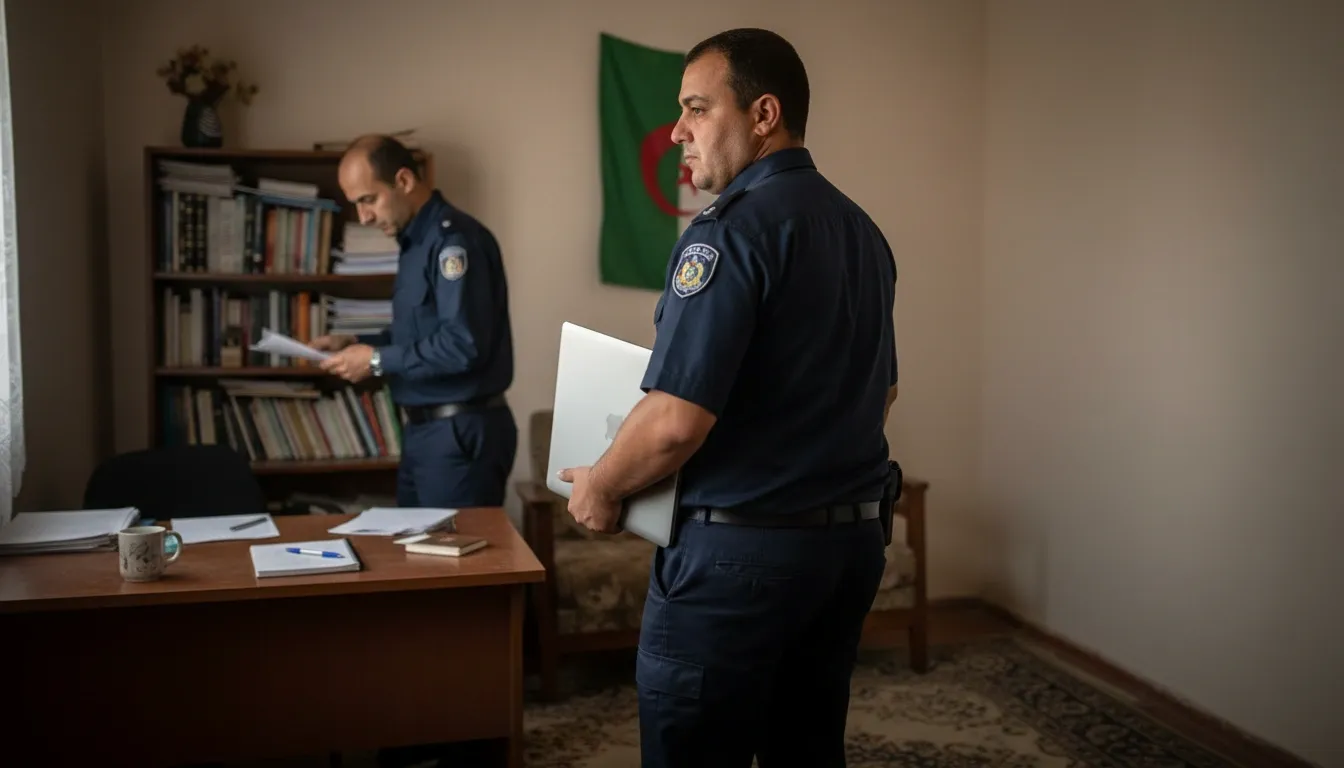
- Officers raided his home after the arrest, conducting a full search and confiscating his laptop.
- Bouras has been subjected to legal harassment since 2003 and was previously arrested in 2015, 2016, and 2021, with a two-year prison sentence handed down in November 2022.
- At least six journalists are currently imprisoned in Algeria in connection with their work, according to CPJ data.
A Night Before the Pope, a Journalist Disappears
On the evening of April 12, 2026, at around 7:45 PM, provincial security forces in El-Bayadh, northwestern Algeria, arrested freelance journalist and human rights defender Hassan Bouras outside his own home. Officers then returned later that night to raid the residence, conducting a comprehensive search and confiscating his laptop. The next morning, Pope Leo XIV landed in Algeria for a regional tour, meeting religious leaders and the local Catholic community. Bouras remained in custody.
On April 13, an investigating judge at the El-Bayadh court ordered his pre-trial detention pending investigation into four accusations, two felonies and two misdemeanors. The exact charges have not been disclosed. A local journalist who spoke to the Committee to Protect Journalists on condition of anonymity, citing fear of reprisal, stated that he believes Bouras is being targeted for his journalistic work.
CPJ program director Carlos Martínez de la Serna stated that the timing sends a clear message that independent journalism will not be tolerated. None of that, naturally, is a surprise for a country that has quietly built Algeria's surveillance apparatus into one of the region's most effective tools for silencing dissent.
Twenty-Three Years and Still Counting
Bouras is a former member of the dissolved Algerian League for the Defense of Human Rights and has spent over two decades reporting on corruption and documenting rights violations in marginalized regions. Algeria's response to that work has been remarkably consistent.
In 2003, he was charged with insulting state institutions, sentenced to two years in prison, and banned from practicing journalism for five years, though an appeals court released him after 25 days. In 2008, a court sentenced him to two months and a fine for defamation and insulting state institutions. In October 2015, dozens of officers from the Brigades de Recherche et d'Intervention raided his family home, detained him, and confiscated his and his sisters' phones and computers. He went on hunger strike in detention.
In 2016, he was jailed for reporting on corruption. In September 2021, he was arrested again, transferred to a state security center in Algiers, and faced criminal charges under Article 87 bis of the Algerian Penal Code, which covers terrorism-related offenses, with prosecutors seeking a 15-year sentence. In November 2022, a court sentenced him to two years for insulting a regulatory body and publishing malicious news using technology that could harm national unity. He remained free after that sentence until April 12.
The pattern across all of it is identical. Vague or undisclosed charges, a raid, confiscated equipment, and pre-trial detention. Each arrest follows the same choreography, and each time the stated justification is different enough to sound like a new case while being obviously the same old one.
On April 16, CPJ has demanded Algeria immediately and unconditionally release Bouras and drop all charges. Naturally, Algeria's Ministry of Interior did not respond to CPJ's request for comment.
Including Bouras, there’re at least six journalists currently behind bars in Algeria in connection with their work, all of whom were put there for nothing more than doing their job and exposing things that the government would rather keep in the shadows.
The Cameras Were Rolling Anyway
The timing almost too revealing to be accidental. Governments worried about optics do not arrest their most internationally documented journalists the night before a pope’s visit. Algeria arrested Bouras in front of his house at 7:45 PM on April 12, and by the next morning the Pope was shaking hands with religious leaders while Bouras sat in pretrial detention on charges nobody had bothered to name.
The international community watched the Pope's visit and said very little about who was locked up to make room for it, and that silence is worth naming. If there is any genuine concern for press freedom in Algeria, it should show up somewhere other than statements that arrive after the cameras leave.


Be part of the resistance, quietly.
Get Mysterium VPN
Dominykas is a technical writer with a mission to bring you information that will help you keep your digital privacy and security protected at all times. If there's knowledge that can help keep you safe online, Dominykas will be there to cover it.
Related Articles
.png)