Texas App Store Age Law Kicks In as Apple Moves Right After Court Ruling


Key Takeaways
- Apple began enforcing Texas SB 2420's age assurance requirements on June 4, 2026, one day after a court stayed the injunction that had blocked the law.
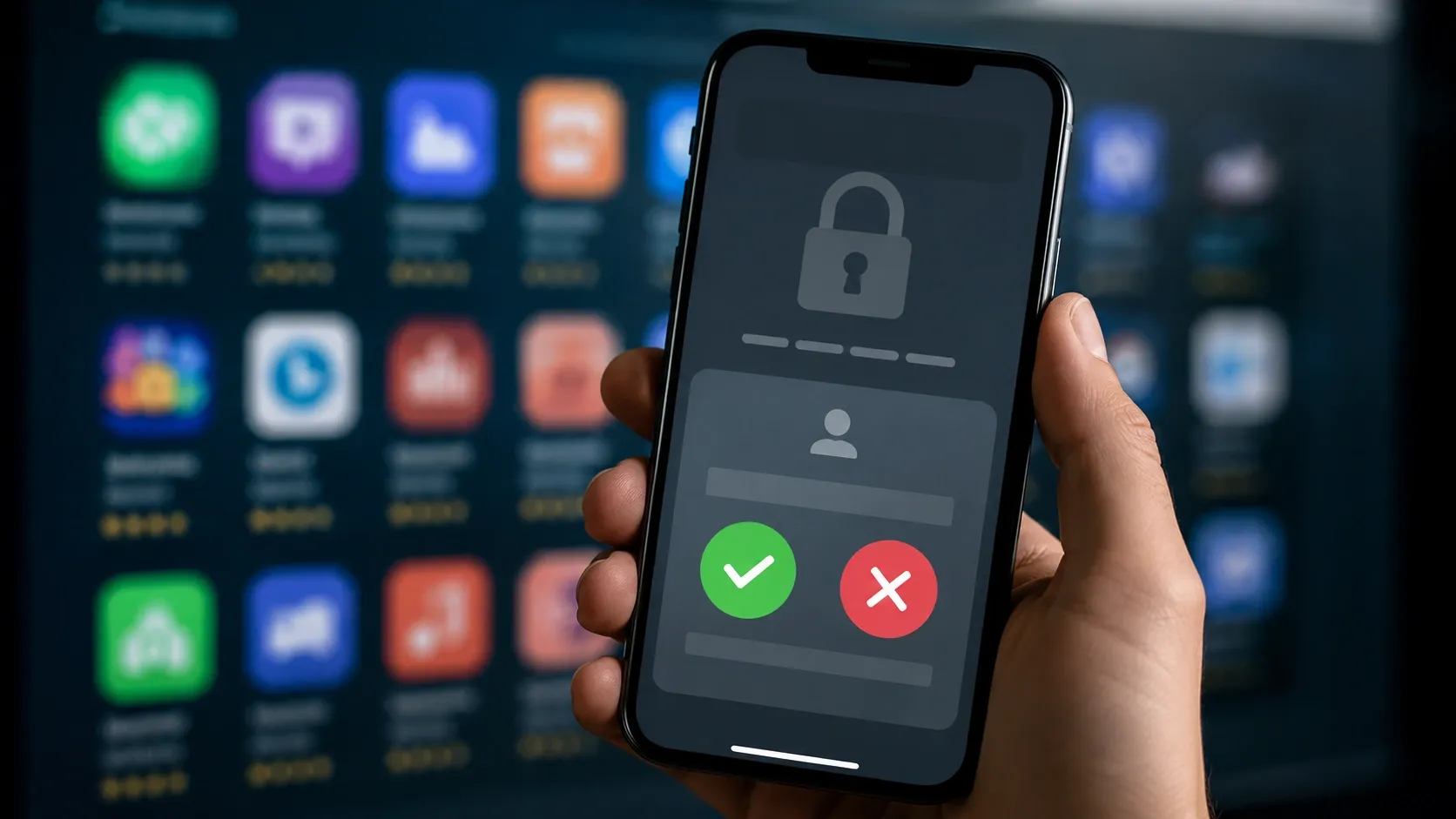
- New Apple accounts created in Texas now require age verification, and any account flagged as belonging to a minor must be linked to a parent's Family Sharing group before downloads or purchases are permitted.
- Developers receive age-category signals through Apple's Declared Age Range API, sorted into four tiers: child (under 13), younger teen (13–15), older teen (16–17), and adult (18+).
- Violations of SB 2420 carry fines of up to $10,000 per developer, and opponents, including the Computer and Communications Industry Association, intend to appeal the stay.
What a Minor's iPhone Now Costs a Developer
Texas's App Store Accountability Act has been sitting in legal limbo for months, blocked by an injunction issued on First Amendment grounds. Then a federal court lifted that injunction, and Apple published its developer compliance notice the following day, with requirements going live on June 4, 2026.
The new mechanics that were set in place are nothing complicated. When a new Apple account is created in Texas, the App Store must verify the user's age using "commercially reasonable methods" and sort them into one of four age tiers. Any account that lands in a minor category must be affiliated with a parent's Family Sharing group. After that, every single download, in-app purchase, and significant app change requires a separate parental sign-off.
Parents can also revoke consent retroactively for any app they previously approved, with the App Store pushing a server notification to the developer when that happens. Violations carry fines of up to $10,000 per developer.
The law sounds protective until you consider what has to exist permanently to make it work.
Apple Complies Carefully and Builds Out the Pipes
Apple is implementing the requirements through its Declared Age Range API, which shares the user's age-category signal with developers on request. Crucially, it does not share the user's exact age or underlying verification data, only the bracket. For app updates that could change an app's effective age classification, developers are required to use the Significant Change API under the PermissionKit framework, which triggers re-consent from parents.
Worth noting is that Tim Cook reportedly called Governor Greg Abbott personally to try to kill SB 2420 before it passed. The lobbying failed, and Apple moved swiftly to comply the moment a court allowed it. Opponents, including the Computer and Communications Industry Association, intend to appeal the stay, meaning the injunction could be reinstated, and Apple might have to reverse course.
The question is whether it will bother. Age-category APIs that are built, documented, and integrated into developer workflows don't usually get quietly unbuilt.
Texas Today, the Architecture Tomorrow
Apple is not doing this only in Texas. UK iPhone users are already living with OS-level age verification infrastructure after Apple rolled out declared-age prompting with iOS 26.4, going further than UK law actually required. Apple builds out the compliance layer, frames it as narrow and carefully scoped, and the infrastructure remains regardless of whether the specific legal requirement that prompted it survives.
The push for court-ordered child protections is moving through multiple states and platforms simultaneously, and the technology built to satisfy each requirement tends to outlast the legal fight that prompted it. SB 2420 may be overturned on appeal. The Declared Age Range API will still be there, documented and available to every developer who wants to query a Texas user's age category.
Apple tried to stop this law and failed, and then built the most technically careful version of compliance it could manage, keeping age brackets instead of exact ages with no stored ID by default. That's better than what some governments have demanded elsewhere, and it also still amounts to a permanent age-categorization layer baked into the App Store that will outlast whatever the appeals courts eventually decide.
If a company's own CEO tried to kill a surveillance law and the company still built the infrastructure to enforce it, that tells you something about the inertia of these systems once they land. The question for every other state legislature watching Texas is whether this is a model to follow or a cautionary example of what happens when child safety framing gets attached to a data pipeline that has no off switch.


Be part of the resistance, quietly.
Get Mysterium VPN
Dominykas is a technical writer with a mission to bring you information that will help you keep your digital privacy and security protected at all times. If there's knowledge that can help keep you safe online, Dominykas will be there to cover it.
Related Articles
.png)