Australian Digital Dystopia: The Blueprint For Global Surveillance


Key Takeaways
- Australia is rolling out age verification across three fronts in sequence: a social media ban for under-16s (December 10, 2025), search engine age verification (December 27, 2025), and adult content/app store rules (March 2026) — with fines up to $49.5 million for non-compliance.
- The article argues verification methods themselves carry serious risks: ID uploads to third parties, facial scans, and "age inference" from online behavior are framed as invasive, error-prone, and vulnerable to data breaches.
- The piece frames this as part of a broader global pattern, citing the UK's Online Safety Act, and pointing to Denmark, Canada, and others considering similar measures — arguing this represents expanding infrastructure with implications beyond child safety.
- The author's central argument is that these laws fail their stated purpose while building surveillance infrastructure — citing Australia's own 2024 pilot findings on unreliable technology and privacy concerns as evidence the policy proceeded despite known flaws.
Australia just became ground zero for the most aggressive age verification regime ever attempted. We’re talking a social media ban for anyone under 16, soon to be followed by mandatory age checks on search engines, which will then be joined by adult content sites, app stores, and AI chatbots not long after.
For those of us who don’t live in Australia, its laws may seem far away and of little concern. But don’t be fooled, because in reality, this might just affect the whole world, and it’s likely a lot closer than it seems.
The Triple Threat: Social Media, Search, Adult Content
While for the most part, the rest of the world is implementing age-verification laws for adult content websites and similar platforms, which is already raising some serious waves, Australia decided to go a full few steps further. How are they doing that? By rolling out a comprehensive system across the entire internet. Here's what changed and when:
The Social Media Ban (December 10, 2025)
The Australian government decided to start Christmas early, dishing out “the most wonderful gift for its underage citizens” and rolling out the social media ban on December 10. Facebook, Instagram, Snapchat, Threads, TikTok, Twitch, X, YouTube, Kick, and Reddit must now take "reasonable steps" to prevent Australians under 16 from creating or keeping accounts.
The government is deadly serious about enforcement. Platforms like Snapchat are implementing multiple verification methods, like ConnectID (bank-verified age checks), photo ID scans through third-party providers, and facial age estimation.
While in some other places around the world, many companies find it quite easy to get away without actually complying with the new age-verification regulations, Australia plays the hardball. In short, platforms could face fines up to $49.5 million when failing to comply.
Search Engine Age Verification (December 27, 2025)
Of course, just because the “gift” came early doesn’t mean that’s all that’s in store, because right after Christmas, the Australian government is also implementing another “wonderful” feature – search engine age verification.
Starting December 27, Google and Microsoft will have to verify the ages of logged-in users or face nearly $50 million in fines per breach. For users under 18, search results will be filtered for adult content, high-impact violence, and material promoting eating disorders.
And yes, that means exactly what you think it does: every person in Australia using Google or Bing while logged in will be forced to verify their age to prove they’re not a minor before they can continue with what they’re doing.
Online Adult Content Addition (March 2026)
Lastly, if you thought that the Australian government’s “gifts” would end with the Christmas season, you’re dead wrong, because they saved some for Easter, too. Six new industry codes registered in September 2025 come into effect in March 2026.
This means that come spring, adult sites, AI chatbots, app stores, and other platforms hosting adult content in Australia will have to implement "appropriate age assurance measures" to keep out users under 18.
Some of this stuff doesn’t seem too surprising, right? Like, adult content is already banned in quite a few places around the world. Well, the thing is that previous rules here were voluntary. These new codes are enforceable with teeth, and the scope is staggering, covering websites, social media, video games, app developers, gaming companies, and internet service providers.
Security Theater Meets Privacy And Safety Apocalypse
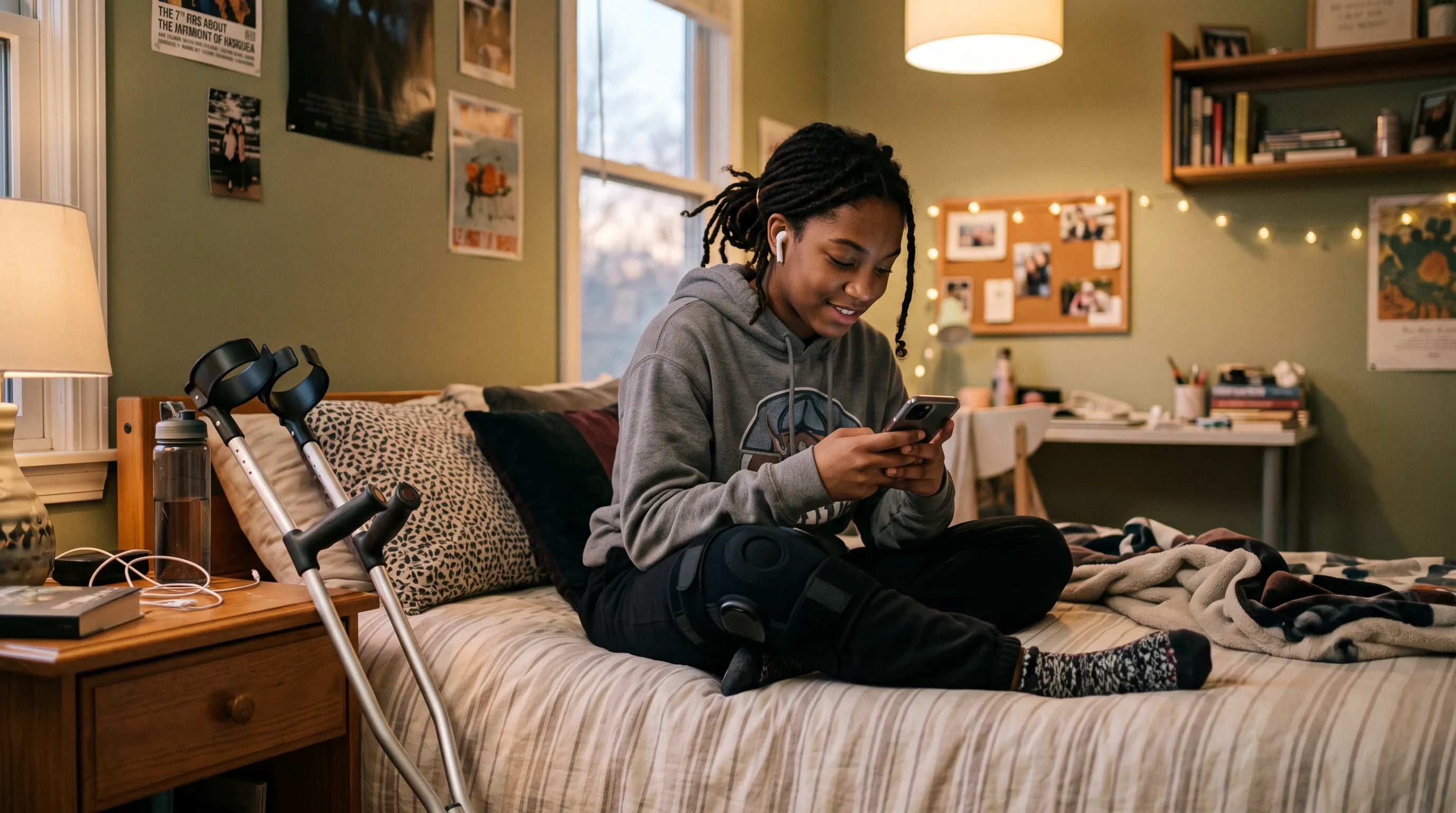
As usual, the politicians’ promises are completely disconnected from reality. Within days of the December 10 social media ban, children were already finding ways to get past the blockade, some using VPNs, others their parents’ accounts, just like kids in all other parts of the world with age-verification requirements.
And of course, just like everywhere else, the same problems arise with these so-called child protection laws. Many people using VPNs for such things first turn to free services, which in turn puts their digital security at risk in ways other than age verification.
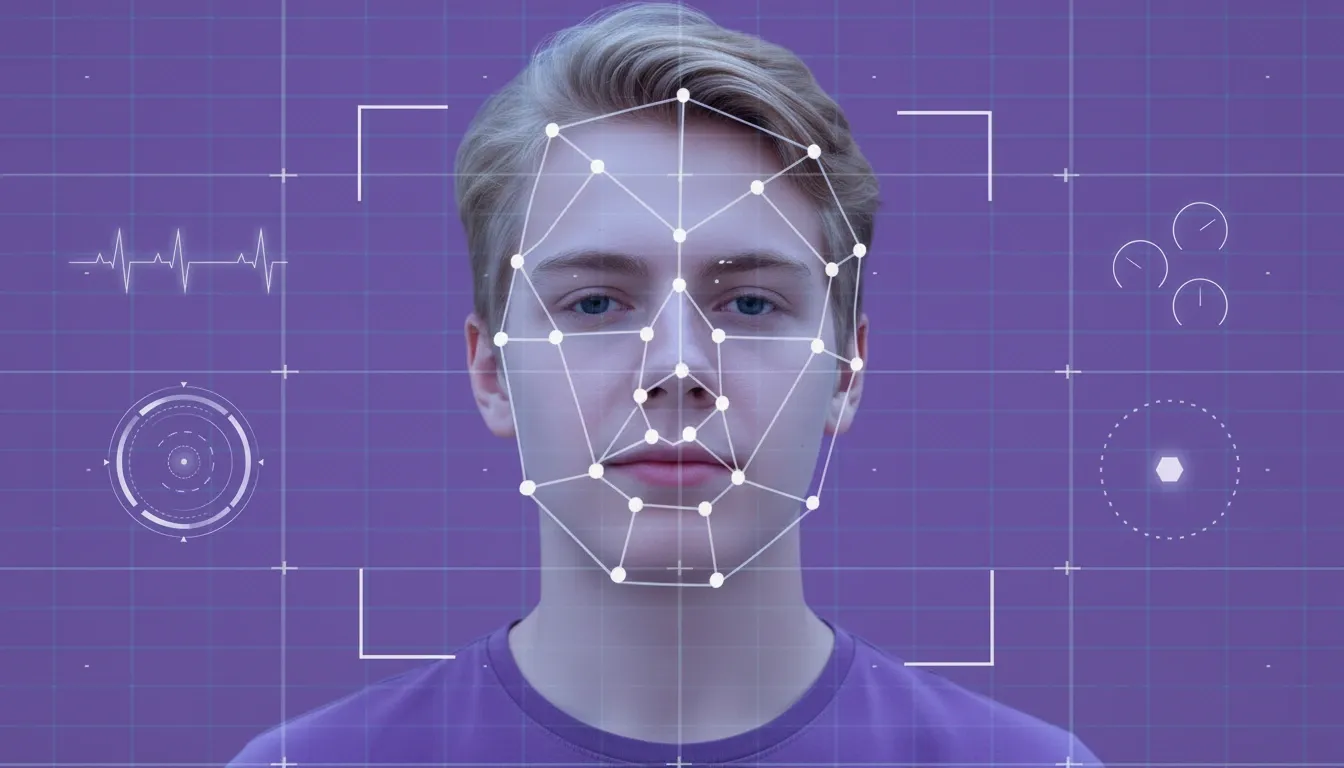
At the same time, there’s an even bigger issue with the methods used. Government ID uploads to third-party companies, facial scans for age estimation, bank account verification, credit card checks, and "age inference" from your online activity and account data are all incredibly flawed.
Some analyze your behavior to guess your age, which is not only as inaccurate as it sounds but also terribly invasive, not to mention that you might find your account deleted by the time you sort things out in case you were misidentified. Others require you to submit incredibly sensitive information to some third-party service providers you barely know, which, as the record shows, are massive targets just waiting to get breached.
However, the worst part is that these laws can often end up actually hurting those they pretend to be protecting in the first place. For example, LGBTQ+ and neurodivergent teens, as well as those in rural areas, could be cut off from communicating with peers in similar situations. Or worse.
When platforms that moderate content are blocked, kids don't stop going online, but they migrate to unregulated platforms with zero oversight instead. The same pattern we've seen everywhere these laws are implemented.
The Blueprint for Global Internet Control
These rules will radically change how Australians use the internet, and not just social media. Once you've built the infrastructure to verify every user's identity across search engines and social media, what stops you from expanding it? When you think about it, it’s really not that far from free speech censorship.
And yeah, it might sound far-fetched, but that’s exactly how it happens. The UK’s Online Safety Act also started with the focus on protecting children, but somehow it’s now catching Wikipedia and protest footage in its net.
The unfortunate reality is this: Australia is conducting a live experiment in internet-wide age verification, and the rest of the world is taking notes. Countries worldwide, like Denmark, Malaysia, Canada, New Zealand, Singapore, and Pakistan, are all considering similar measures.
Several US states already have age verification laws, but they’re already daydreaming about tightening the restrictions and expanding them to the app stores, too. The UK implemented an age verification law in July 2025, the EU is discussing bloc-wide digital age restrictions and “voluntary” scanning, and the list goes on.
The mass surveillance infrastructure is being normalized globally, and Australia is simply the test case, pushing the line, trying to see how aggressive you can get before people actually start rebelling. And if Australia's model proves enforceable (and not necessarily effective), it will quickly spread like a wildfire.
Child Safety Laws That Were Never About Safety Nor Children
I want to be clear: protecting children online matters. But there are better ways than building comprehensive surveillance systems that fail at their stated goals while succeeding at monitoring everyone.
Australia could focus on platform design changes, like eliminating addictive algorithms, improving content moderation, and increasing transparency. It could strengthen data protection laws that protect all users. It could fund digital literacy education and mental health support. None of these require knowing the identity of every internet user.
The irony is that Australia already tested age verification technologies in 2024 and found "no solution being infallible and some systems raising privacy and data retention concerns." They knew the technologies don't work reliably and create privacy risks. They implemented them anyway. Is there even a need for any other evidence that this has nothing to do with children's safety?


Reclaim the internet that took you at your word!
Get Mysterium VPN
Dominykas is a technical writer with a mission to bring you information that will help you keep your digital privacy and security protected at all times. If there's knowledge that can help keep you safe online, Dominykas will be there to cover it.
Related Articles