Sayed Baqer Al-Kamel Filmed a Fire in Bahrain and Got 10 Years for It


Key Takeaways
- Bahraini freelance photographer Sayed Baqer Al-Kamel was sentenced to 10 years in prison on April 28, 2026, after filming a burning high-rise in Bahrain's Seef district and posting the footage online.
- He was convicted of promoting pro-Iran content, filming sensitive infrastructure, and unlawfully publishing defense-related material, despite no military facility appearing in the footage.
- Bahrain's Defense Force banned all filming of military operations and sites on March 4, 2026, three days after Al-Kamel was already arrested, and his equipment was confiscated as part of the sentence.
- The Committee to Protect Journalists called the sentence a criminalization of routine journalistic activity under the cover of national security and demanded Al-Kamel's immediate release.
The Footage That Earned a Decade Behind Bars
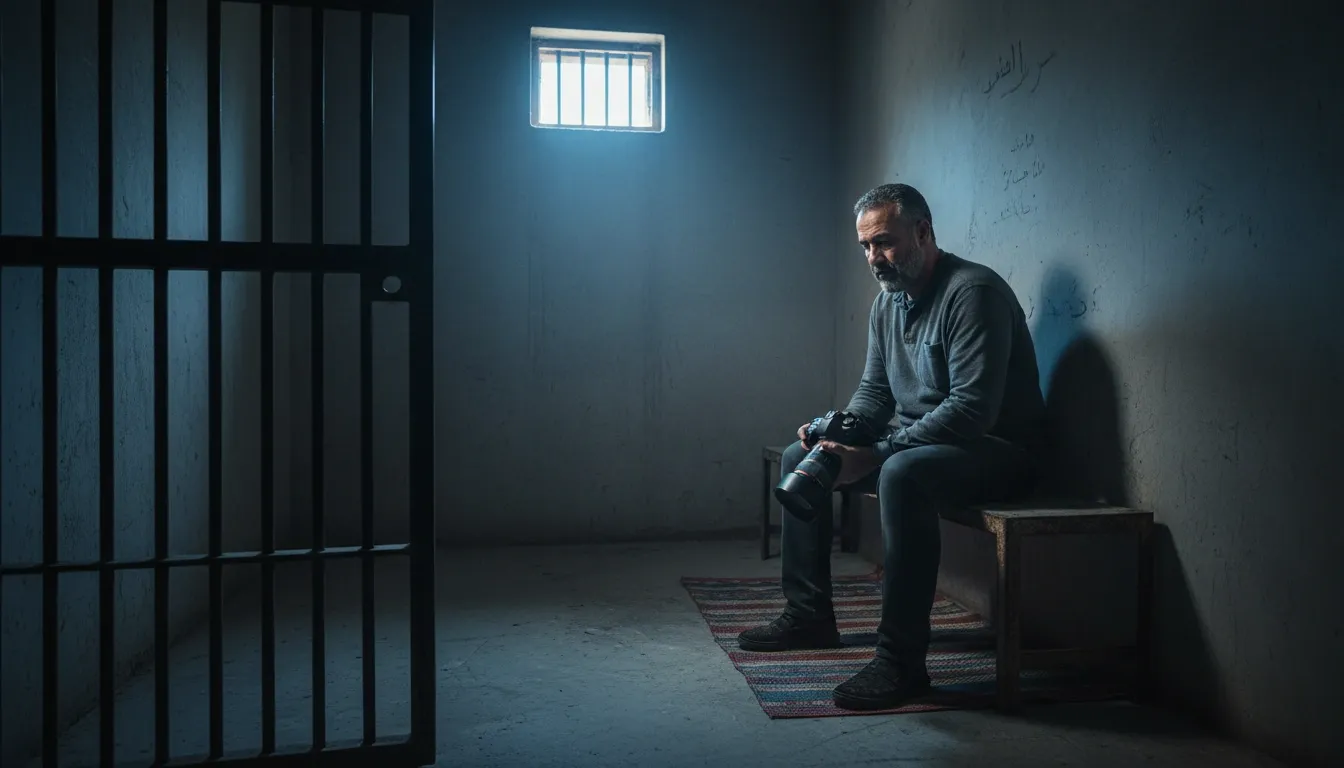
There is a specific kind of audacity in this story. A freelance photographer sees a high-rise building on fire. He films it, posts it online, calls for prayers for his country, and then deletes the video. Two months later, he is sentenced to 10 years in prison. His camera equipment is confiscated. The charge, among others, is filming sensitive infrastructure during a conflict. The sensitive infrastructure was, of course, a burning apartment block.
Sayed Baqer Al-Kamel was arrested on March 1, 2026, following a raid on his home by plainclothes officers. The video he posted showed a high-rise on fire in Bahrain's Seef district. According to Sayed Alwadaei, director of the Bahrain Institute for Rights and Democracy, Al-Kamel "didn't post footage of a military facility" and was detained hours after sharing the clip while documenting the scene nearby.
Al-Kamel also posted condolences on Instagram following the killing of Iranian Supreme Leader Ali Khamenei during reported airstrikes on Iran, which authorities appear to have treated as evidence of his sympathies. A freelance photojournalist who had been arrested several times before, he was already on Bahrain's radar well before any of this.
National Security as a Blank Check for Silencing Witnesses
Al-Kamel was convicted on three counts: allegedly promoting content deemed supportive of Iran during the war, filming and sharing images of sensitive infrastructure during a conflict, and unlawfully publishing defense-related material. The charges were relayed by a Bahraini rights defender who requested anonymity out of fear of reprisal, which tells you something about the environment they were handed down in. His 10-year sentence came alongside the confiscation of all his photographic equipment.
Three days after Al-Kamel's arrest, on March 4, Bahrain's Defense Force issued a ban on filming, photographing, or sharing any military operations, movements, or sites, as well as related social media content, citing national security concerns. And yet, the fact remains that whatever legal framework was eventually constructed to justify Al-Kamel's detention was not in place when he filmed a building on fire and asked people to pray for Bahrain.
CPJ Regional Director Sara Qudah stated that Al-Kamel's sentence and the confiscation of his equipment for documenting events during a period of regional conflict "underscores how Bahraini authorities are criminalizing routine journalistic activity under the guise of national security." At the same time, the Al Amal Center for Human Rights and Justice called the verdict a serious escalation in the targeting of press freedom in Bahrain, noting that punishing a journalist for their activity is a blatant violation of international human rights standards.
When the Camera Itself Becomes the Threat
Al-Kamel's arrest came amid what CPJ described as a wider wave of detentions and restrictions on expression across Bahrain and the Gulf during the Iran War. Wartime has always been the moment when governments find it easiest to make press suppression sound reasonable. The argument writes itself: national security is at stake, information is dangerous, and the wrong footage in the wrong hands could cost lives.
Now, is filming a fire in your city and calling for prayers an espionage crime worth 10 years in prison? Well, according to Bahrain, it is. But regardless of what they say, by the time anyone thinks to question such laws, the journalists are already in the cells.
CPJ has demanded Al-Kamel's immediate release, the return of his equipment, and a guarantee that vague wartime restrictions will not be weaponized to silence independent reporting. The Bahraini embassy in Washington did not respond to CPJ's request for comment, which is, naturally, its own kind of answer.
If Bahrain genuinely believes a burning building constitutes sensitive infrastructure, there is no lower limit on what can justify arresting a journalist. The government should be pushed to defend that position publicly, clearly, and with evidence, rather than in silence from behind a 10-year sentence.


Be part of the resistance, quietly.
Get Mysterium VPN
Dominykas is a technical writer with a mission to bring you information that will help you keep your digital privacy and security protected at all times. If there's knowledge that can help keep you safe online, Dominykas will be there to cover it.
Related Articles
.png)