Do VPNs Still Work in 2026?


Key Takeaways
- VPNs still work technically — encrypting traffic and masking IP addresses — but they now operate in a much more restrictive internet environment than the one they were originally built for.
- Many networks now use deep packet inspection to detect and block standard VPN traffic, pushing providers toward obfuscation techniques that disguise VPN connections as ordinary encrypted web traffic.
- VPNs remain legal in most countries (Europe, North America, much of Asia and Latin America), while countries like China, Russia, Belarus, Iran, Qatar, and the UAE impose tight restrictions, often alongside limited press freedom and political speech.
- VPNs are increasingly framed as obstacles to enforcement (age verification, content moderation, identity checks) rather than legitimate privacy tools — shifting their role from a niche convenience to a way of preserving basic access and autonomy online.
For years, VPNs occupied a quiet corner of the internet. They were used by millions of people worldwide, rarely controversial, and mostly irrelevant to people who didn’t actively need or use them. VPNs helped people to encrypt and protect their internet connections, protect themselves while browsing on public Wi-Fi, bypass censorship, and access region-restricted content, like accessing streaming platforms when you travel abroad.
In many parts of the world, VPNs are simply part of normal internet hygiene. That context matters because in 2026, VPNs exist in a very different environment. The question of whether VPNs still work is no longer just technical. It’s political, legal, and increasingly tied to how governments and platforms define what’s acceptable online.
The short answer is yes, VPNs still work. The longer answer is that they now operate in an internet that is far more restricted than the one they were built for.
Emergence of VPNs
VPNs were originally developed for corporate use, allowing employees to securely access internal networks remotely. Over time, consumer VPN services expanded this model for public use. By the mid-2010s, millions of people worldwide were using VPNs daily, often for reasons that had little to do with secrecy.
Common use cases included protecting personal data on unsafe public Wi-Fi networks, avoiding invasive tracking from IPs, advertisers, and other third parties, accessing news or social platforms blocked by local authorities, and viewing content limited by geographic licensing. In many countries, VPN use became so common that it was functionally invisible to regulators. That relative neutrality hasn’t survived the past decade. Let’s get into it.
The Changing Nature of Online Access
Starting in the early 2020s, governments worldwide have started introducing a growing number of local digital regulations aimed at online safety, misinformation, and, especially, protecting children from online dangers. These laws come with enforcement measures like age-verification requirements, real-name policies, expanded content moderation mandates, and increased financial penalties for companies that fail to comply.
While these policies are often framed as good-intentioned, precisely targeted, and limited in scope, their actual implementation often relies on broad technical systems. Platforms are pushed to automatically identify users, classify their behavior, and restrict their access. In practice, this has made anonymity harder to maintain and online privacy much more conditional.
From that perspective, the roles VPNs played online have shifted. They’re no longer just online privacy tools. They’re now increasingly used to preserve people’s basic access and autonomy in digital environments where online participation is becoming gated. Essentially, the VPN is becoming a bridge between an individual and an open and free internet for all.
The Many Functions of a VPN
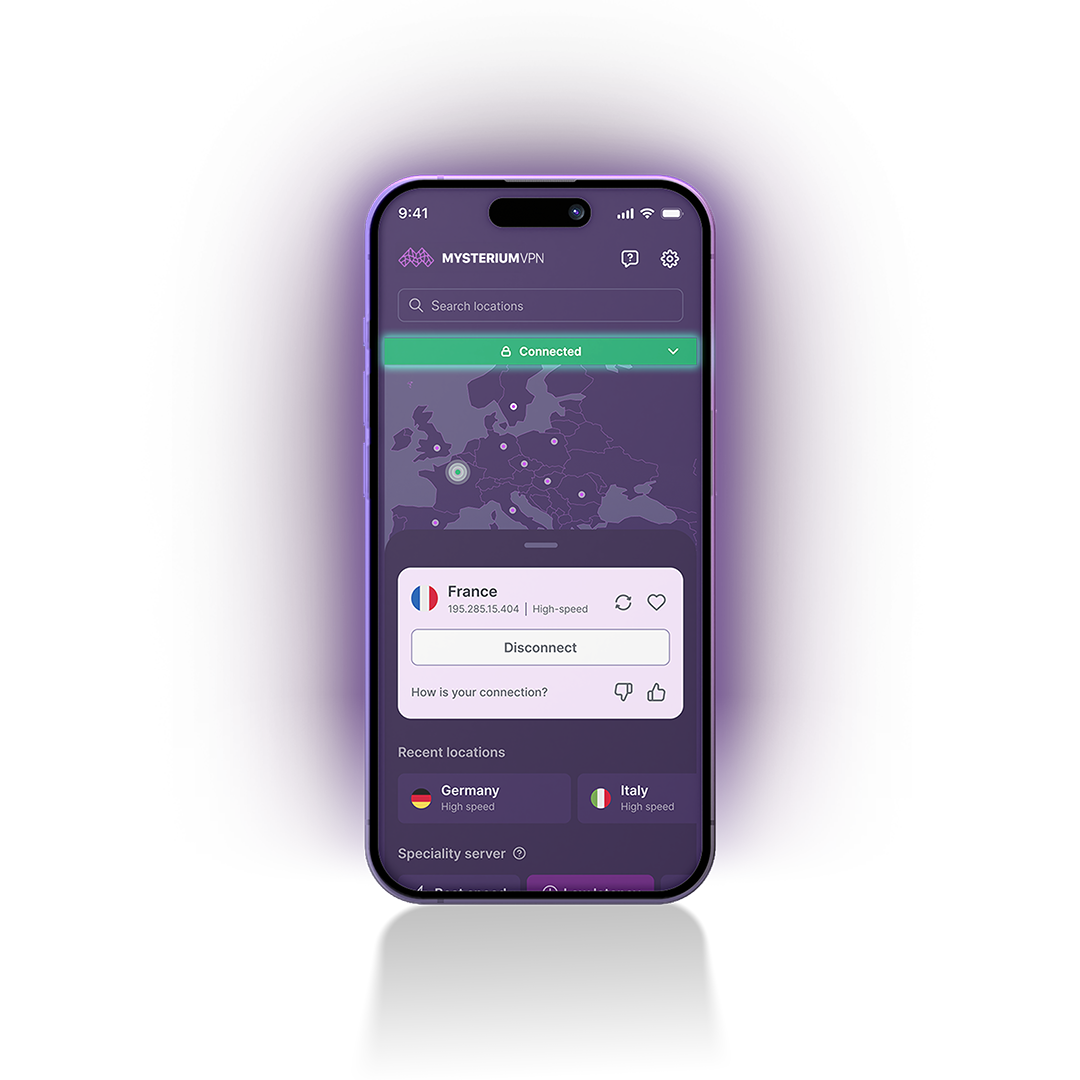
From a technical standpoint, VPNs still perform their core functions. They encrypt traffic, mask IP addresses, and route connections through external servers. In most countries, this remains legal and widely supported.
However, many networks now actively attempt to detect and block VPN traffic. Techniques such as deep packet inspection allow internet service providers and governments to identify standard VPN protocols. As a result, basic VPN connections may fail in restrictive environments.
In response, VPN providers have developed obfuscation methods to make VPN traffic appear like ordinary encrypted web traffic. VPNs that employ these techniques are generally more effective in 2026 than traditional configurations.
The key point is that VPNs and their users have adapted because they had to. The need to hide the fact that one is using a VPN reflects a broader shift in how internet access is regulated.
Legal Status: Where VPNs Are Allowed and Where They Are Not
Despite growing scrutiny, VPNs remain legal in most countries worldwide. This includes the majority of Europe, North America, and large parts of Asia and Latin America. In these regions, VPNs are generally treated as legitimate privacy tools, even when governments express concerns about their supposed misuse.
Where VPNs are banned or heavily restricted, a concerning pattern emerges. Countries such as China, Russia, Belarus, Iran, Qatar, and the United Arab Emirates all impose tight controls on encrypted communications. These restrictions are most often justified on national security or moral grounds, but they still coincide with limited press freedom and restricted political speech.
Some democratic countries have discussed tighter controls on VPNs, often in connection with proposals for age verification or content regulation. France, for instance, has recently publicly debated limiting VPN use to enforce online safety laws. So far, thankfully, these discussions haven’t resulted in actual bans, but they do signal a willingness to view privacy tools as obstacles rather than safeguards.
Why VPNs Are Increasingly Framed as a Problem
From a regulatory perspective, VPNs complicate enforcement. They make it much harder to determine your actual location, age, and real identity, because everything about your activity is hidden away from public view. VPNs can weaken data collection and reduce the effectiveness of automated moderation systems.
That tension explains why VPNs are now frequently mentioned alongside issues like misinformation, child safety, and online platform accountability. The concern is not that VPNs enable crime by default, but that they limit visibility.
This framing matters. When your privacy is treated as a liability, the tools designed to protect it become politically vulnerable, and their reputation is tarnished.
Implications for Everyday Internet Users
For most users, the consequences are indirect but real. As online systems become more identity-based, access to information increasingly depends on compliance with verification requirements. Errors in automated systems can lock users out of platforms or restrict functionality without clear recourse.
In this environment, VPNs offer a way to reduce exposure to activity tracking and user profiling. They aren’t a solution to every restriction, and they don’t guarantee anonymity. But they do provide a layer of much-needed separation between regular people and the government systems that increasingly assume surveillance as the default.
That is why VPN usage continues to grow, even as governments question their legitimacy.
Do VPNs Still Work?
They do, but not in the same way they did ten years ago. VPNs are no longer tools for technical users or frequent travelers. They’re part of a broader response to an internet that is becoming increasingly more controlled, more conditional, and less open thanks to growing global regulations.
As long as online access depends on identification, monitoring, and automated judgment, tools that preserve privacy will always remain relevant. VPNs persist not because they’re perfect, far from it, but because the alternative is an internet where participation is conditional.


Be part of the resistance, quietly.
Gintarė is a cybersecurity writer at Mysterium VPN, where she explores online privacy, VPN technology, and the latest digital threats in editorial pieces. With hands-on experience researching and writing about data protection and digital freedom, Gintarė makes complex security topics accessible and actionable.
Related Articles