Gabon Just Killed Social Media for “Spreading of False Information”


Governments love to talk about "online safety." It's a phrase that gets deployed so often it's practically lost meaning, a catch-all justification that sounds reasonable enough until you realize it's being used to pull the plug on an entire country's internet communications. No warning, timeline, or explanation of what "safe enough" would even look like.
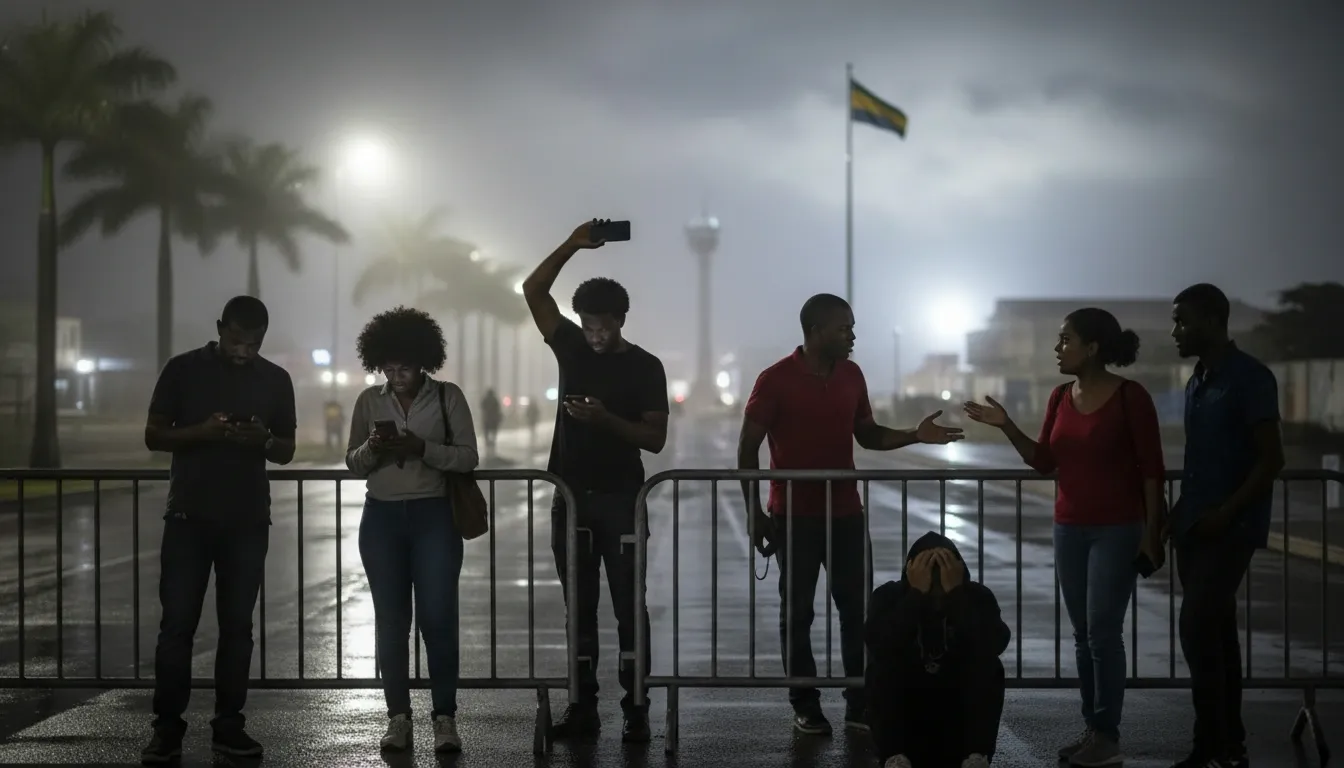
That's exactly what happened in Gabon. On Tuesday evening, February 18, the country's media regulator announced a full suspension of social media platforms with no end date attached. Roughly 850,000 people woke up the next morning to find Facebook, TikTok, and WhatsApp simply gone. Just like that.
The Overnight Switch Flip
Gabon's High Authority for Communication (HAC) issued an order for the immediate suspension of all social media platforms "until further notice," instructing telecom operators and internet service providers to block access across the board.
The HAC's spokesperson, Jean-Claude Mendome, read the decision out on national television, citing a laundry list of reasons: false information, cyberbullying, defamatory content, unauthorized disclosure of personal data, and threats to national security.
NetBlocks, the internet monitoring group, confirmed the restrictions were live by Wednesday, with Meta services, YouTube, and TikTok all going dark. WhatsApp calls were also reported as severely disrupted, which is a big deal in a country where WhatsApp is how a massive chunk of the population communicates daily.
The HAC didn't specify which platforms were targeted. There was no list, no timeline, and no clear criteria for when or how the suspension might be lifted. If at all.
Strikes, Coups, and a Very Convenient Ban
Gabon isn't exactly going through a quiet stretch right now. Teachers have been on strike since December 2025 over pay and working conditions, and that unrest has since spread to health workers, university staff, and broadcasters.
Public anger is brewing, too, with living costs being way too high for comfort. Now, President Brice Oligui Nguema, who took power in a 2023 coup before winning a presidential election in 2025 with over 90% of the vote, is facing his first real test of public pressure.
Naturally, no one is really buying the "online safety" framing. Critics say the suspension is a crackdown on dissent, a way to silence the organizing and criticism that was happening openly on social platforms. Civil society member Nicaise Moulombi put it plainly: the suspension "amounts to paralyzing a significant part of the country's economic and social activity in a context already marked by unemployment and the cost of living."
And it doesn’t take long to realize that he's not wrong at all. This isn't just about memes and political arguments. Social media is a livelihood for a lot of people in Gabon. One restaurant owner in Libreville told the BBC that nearly 40% of his customers found him through social media posts. Multiply that across thousands of small businesses, freelancers, and informal traders, and you start to see how much a digital blackout actually costs ordinary people.
The HAC even had the nerve to note in its statement that "freedom of expression remains a fundamental right" in Gabon. Sure. Just not on the internet, apparently, and not until further notice.
The Pattern Is the Point
Gabon has a precedent here. During the 2023 election period, authorities cut off internet access entirely, citing misinformation and calls for violence. This is exactly the type of playbook that governments in Africa have been using over and over again. Tanzania restricted internet access during its 2025 elections, Nigeria suspended Twitter for seven months back in 2021, and Uganda blocked Facebook during its general elections that same year.
Moreover, it’s also a part of a well-worn script that an alarming number of governments across the world keep reaching for. Something politically inconvenient starts trending, the authorities call it a security threat, and suddenly an entire communication infrastructure goes offline, affecting everyone, not just the people supposedly causing the problem.
UNESCO and digital rights groups have been warning for years that platform shutdowns restrict access to information and damage economic activity. Gabon just handed them another case study. Whether international pressure will mean anything to a government that clearly prioritized control over connectivity is a question nobody can answer until the platforms come back online.
If they come back online.


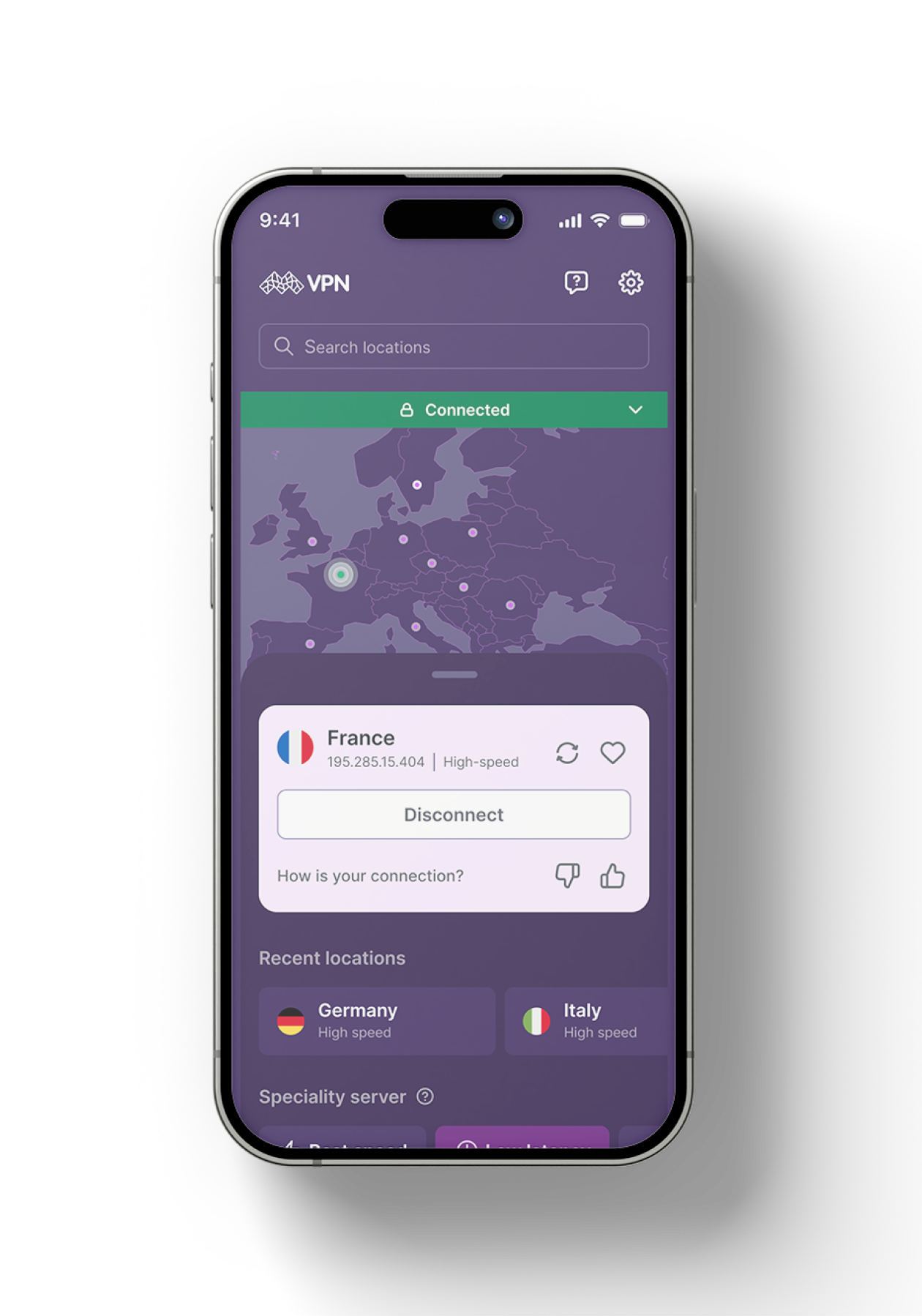
Be part of the resistance, quietly.
Get Mysterium VPN
Dominykas is a technical writer with a mission to bring you information that will help you keep your digital privacy and security protected at all times. If there's knowledge that can help keep you safe online, Dominykas will be there to cover it.
Related Articles
.png)