Gaza: Doctors Under Attack Wins BAFTA After the BBC Buried Its Own Investigation


Key Takeaways
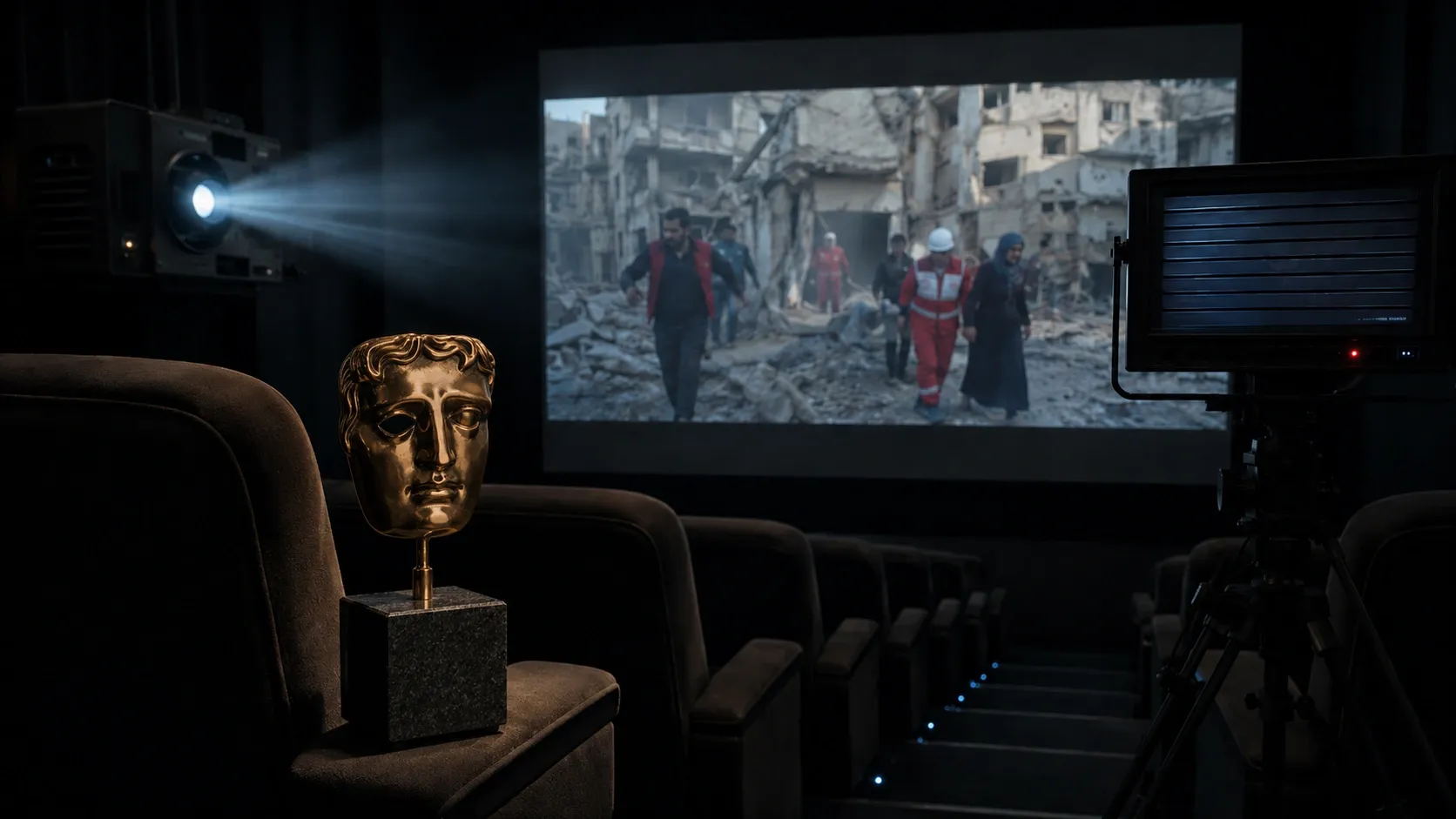
- Gaza: Doctors Under Attack, a forensic investigation into Israeli attacks on hospitals and healthcare workers, won the BAFTA TV Award for Best Current Affairs on 11 May 2026.
- The BBC originally commissioned and funded the documentary through Basement Films, then shelved it in June 2025, citing a "perception of partiality."
- Channel 4 acquired and broadcast the film in July 2025 after the BBC declined to air it.
- During the acceptance speech at the Royal Festival Hall, journalist Ramita Navai told the audience the BBC "paid for but refused to show" the investigation, and executive producer Ben de Pear asked the BBC whether it would also cut them from the ceremony broadcast that night.
- The BBC reportedly edited Navai's speech from its own delayed broadcast of the ceremony, reigniting criticism of the corporation's Gaza coverage.
The Documentary the BBC Commissioned, Reviewed, and Then Quietly Dropped
Gaza: Doctors Under Attack is a forensic investigation into allegations that Israeli forces repeatedly targeted hospitals and healthcare workers in Gaza in breach of international law. Every one of Gaza's 36 main hospitals has been attacked or destroyed. The film draws on firsthand testimony from Palestinian doctors and medical staff who lived through it.
The BBC commissioned the film from Basement Films. In April 2025, production was paused while the corporation reviewed a separate Gaza documentary found to have breached editorial guidelines by using the son of a Hamas official as narrator. That review became the stated reason for the delay. In June 2025, the BBC went further, announcing it would not broadcast the film at all, saying it risked creating "a perception of partiality that would not meet the high standards that the public rightly expect of the BBC."
More than 600 industry figures, including Oscar-winner Susan Sarandon, wrote to then-director general Tim Davie demanding the film be released, warning that "every day this film is delayed, the BBC fails in its commitment to inform the public." The letter had no effect. Davie resigned in November 2025 amid multiple editorial crises, with the corporation's Gaza coverage among the controversies that defined his final months.
The Acceptance Speech the BBC Had to Broadcast on a Two-Hour Delay
Channel 4 acquired and broadcast the documentary in July 2025. On 11 May 2026, at the Royal Festival Hall in London, Gaza: Doctors Under Attack won BAFTA's Best Current Affairs award, nearly a year after the corporation that funded it decided the public shouldn't see it.
Executive producer Ben de Pear accepted the award and addressed the BBC directly: "Finally, just a question for the BBC: Given you dropped our film, will you drop us from the BAFTA screening later tonight?" The BBC airs the ceremony on BBC One with a two-hour delay, which made the question rather pointed.
Ramita Navai was more direct. "These are the findings of our investigation that the BBC paid for but refused to show," she told the room. "But we refuse to be silenced and censored. We thank Channel 4 for showing this film." She cited the documentary's findings: more than 1,700 Palestinian healthcare workers killed and more than 400 detained, and dedicated the award to Palestinian medical workers held in Israeli prisons. De Pear also praised Gazan journalists Jaber Badwan and Osama Al-Ashi, who contributed footage to the film, saying the team "woke up every day wondering if the two journalists on the ground were still alive."
The Part Where the BBC Cut Its Own Critics Out of the Broadcast
The BBC's BAFTA broadcast aired that night with a portion of Navai's remarks removed, following consultations with its compliance team, which is only a few small steps away from censoring live TV the way China does.
The broadcaster that shelved a forensic investigation into war crimes over a "perception of partiality" then edited the criticism of that decision out of its own live broadcast. It was a very conscious judgement, and the institutional self-censorship that produced the original shelving decision was still running when Navai stepped to the microphone.
But the most absurd part in it all is that this was not a film the BBC refused to commission. They paid for it, commissioned it, received the footage, and at some point between commission and broadcast, someone decided the findings of their own journalism were too uncomfortable to air. That is a broadcaster choosing not to publish its own reporting.
The question for the BBC is a simple one: who decided what counts as impartial when the journalism in question was paid for by license-fee money, won the industry's top prize, and is now permanently on record as the investigation they buried? Because that person, and the process that backed them, still exists inside the institution. And the next film is already being made somewhere.


Be part of the resistance, quietly.
Get Mysterium VPN
Dominykas is a technical writer with a mission to bring you information that will help you keep your digital privacy and security protected at all times. If there's knowledge that can help keep you safe online, Dominykas will be there to cover it.
Related Articles
.png)