Germany’s Ruling Coalitions in Agreement as They Push Social Media Ban for Minors



Germany is getting closer than ever to restricting minors' access to social media, as its two ruling coalition parties have now both put social media restrictions for children on the table, and they're not exactly whispering about it.
The earlier proposed ban by the CDU aims at a hard ban for under-16s, while the SPD dropped a more detailed, tiered proposal on February 16 that goes even further. When political rivals start singing the same tune this loudly, for better or worse, things tend to happen.
Two Parties, One Agenda
The CDU fired the opening shot in early February. The Schleswig-Holstein regional chapter of Chancellor Friedrich Merz's party filed a motion calling for a legal minimum age of 16 for open social media platforms, accompanied by mandatory age verification. The motion specifically names TikTok, Instagram, and Facebook.
CDU Secretary General Carsten Linnemann was blunt, clearly expressing his support for the ban, saying that "children have a right to childhood." The party's labor wing head, Dennis Radtke, backed him up, calling social media "a collection of hate and fake news."
The motion was set for debate at the CDU's national conference on February 20-21 in Stuttgart. However, SPD didn’t wait that long to voice their support for the idea and release their own discussion paper for everyone to see on February 16.
The SPD's More Surgical Approach
Ten days after the CDU’s proposal, a group of SPD lawmakers came forward with a considerably more detailed version of it, which creates three tiers. Children under 14 would be technically blocked from platforms entirely, with severe sanctions for non-compliance, including network blocks as a last resort. Those aged 14 to 16 would get access only to stripped-down "youth versions" with no algorithmic feeds, no endless scrolling, and no autoplay. And lastly, for everyone 16 and older, algorithmic recommendations would be off by default. You'd have to actively opt in to get the personalized content machine running.
The verification mechanism the SPD has in mind is the EUDI Wallet, a European digital identity app tied to your government ID. It's essentially mandatory ID checks baked into every sign-up. SPD leader Lars Klingbeil put the party's position plainly: "We can no longer avoid clear rules and restrictions."
Why Passing This Is Harder Than It Sounds
A 2024 YouGov poll found that 77% of Germans support some form of social media ban for under-16s. It only makes sense, because the way social media is right now, it’s undeniably an issue. However, public opinion isn't the problem here – it’s the approach of dealing with it that is.
Thorsten Schmiege, who heads the body coordinating Germany's state-level media regulators, told Reuters he doesn't consider a blanket ban effective. And if we look at how “well” these bans are working out in places that have already implemented them, it’s easy to see that he’s right to be wary.
Having algorithmic recommendations would be off by default? It’s a wonderful idea and a good starting point. But as I and many others have said many times before, having everyone flash their IDs to use social media simply destroys privacy. It’s an absurd price to pay, especially considering that it doesn’t really achieve much, seeing how kids find workarounds regardless.
But for the law in question, there’s also a structural problem. Germany's federal system assigns media regulation to the individual states, not the federal government. All 16 states would need to negotiate consistent nationwide rules. In other words, this law will likely get passed, but the final version of it will probably be just another social media ban that, despite good intentions, only ends up making things worse.
Both parties want action. The public largely agrees. But the road from political pressure to enforceable law in Germany involves a lot more moving parts than a press conference suggests. And whoever ends up building the age-verification infrastructure will hold data that goes well beyond knowing whether someone is 13 or 16.


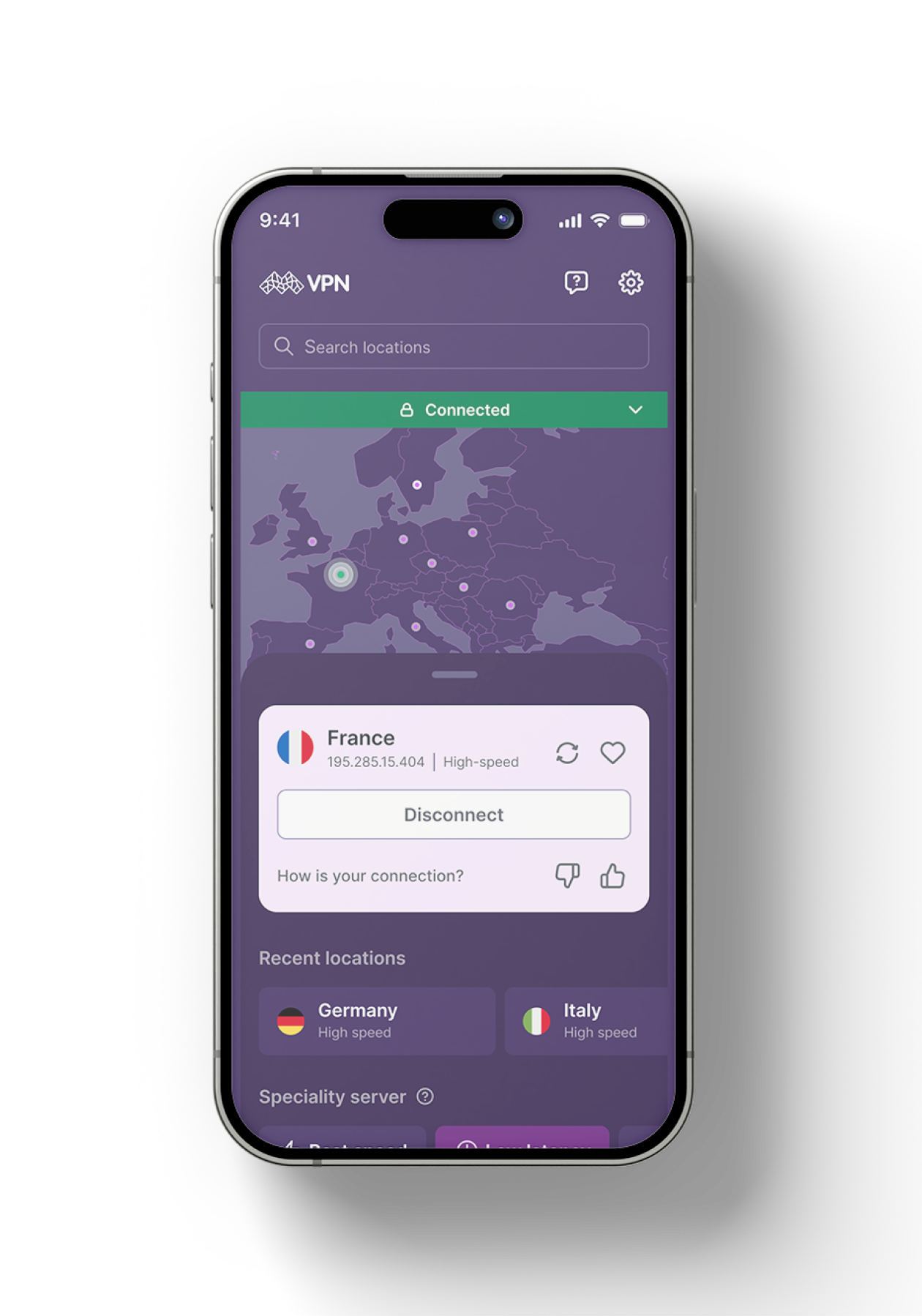
Be part of the resistance, quietly.
Get Mysterium VPN
Dominykas is a technical writer with a mission to bring you information that will help you keep your digital privacy and security protected at all times. If there's knowledge that can help keep you safe online, Dominykas will be there to cover it.
Related Articles
.png)