Online Speech Is Powerful. That’s Why Governments Are Silencing It


Key Takeaways
- On January 14, 2026, Uganda shut down nationwide internet access ahead of its general election under President Yoweri Museveni. Uganda previously did the same during its 2021 elections.
- Opposition leader Bobi Wine reportedly called the shutdown an act of "a criminal regime afraid of scrutiny" and urged voters to use encrypted tools to bypass restrictions.
- The article cites a figure of more than 190 internet shutdowns across 41 African countries between 2016 and 2025.
- Iran is described as undergoing a near-total internet shutdown amid ongoing anti-government protests (referencing the same events covered in an earlier article), with the piece stating thousands have reportedly been killed in the government's crackdown.
The internet was meant to be an equalizer. A space where ideas mattered more than geographical borders, where power could be questioned, problems exposed, and communities formed without asking permission first. For a while, it worked. And that’s exactly why governments across the world are now doing everything to put a stop to it.
Whenever a state cuts internet access, throttles platforms, or quietly rewrites the rules of online participation, the justification is almost always the same: public safety, national security, protecting children, preventing misinformation. The language sounds responsible. Even caring. But history shows a far less noble pattern. When speech becomes inconvenient, the internet is the first thing to go.
Internet shutdowns and platform restrictions are no longer treated as emergency measures, but as routine tools of governance. When unrest looms, when elections approach, or when criticism grows too loud, the response is increasingly technical rather than political: slow the platforms, cut the connections, narrow the channels through which people can speak. The internet, once a decentralized space, is now treated like an infrastructure that can be switched off at will.
Uganda: Shut It Down Before People Vote
On January 14th, 2026, Uganda shut down nationwide internet access before its general election. President Yoweri Museveni, who’s generally believed to extend his 40-year rule over the country, oversaw yet another blackout as his people prepared to vote.
This wasn’t unprecedented. Uganda did the same thing during the 2021 elections, which were marred by violence, arrests of opposition figures, and allegations of serious human rights abuses. Cutting off the internet made it harder to organize protests, report violence, and for the outside world to see what was happening in real time.
Journalists were left unable to verify reports from outside the capital. Election observers had limited visibility into what was happening on the ground. Ordinary citizens were forced to rely on word of mouth and rumor while the state retained full control over official messaging. The blackout didn’t create stability; it created informational asymmetry, where only one side could speak and be heard.
Opposition leader Bobi Wine called the move what it was: the act of a criminal regime afraid of scrutiny. He urged voters to use encrypted tools to bypass restrictions because when the internet disappears, so does accountability.
Uganda isn’t the only country behaving this way. Between the years 2016 and 2025, more than 190 internet shutdowns took place across 41 of the continent’s countries. The pattern is predictable: elections, protests, unrest – pull the plug.
Iran: Silence, Then Violence
When I said Uganda isn’t alone in this, I wasn’t kidding around. At the same time, Iran has been operating under a near-total internet shutdown amid widespread anti-government protests. The blackout hasn’t stopped demonstrations, but it has made documenting them far more dangerous for participants involved.
Thousands of people have reportedly been killed in the government’s crackdown. Videos and images that do make it out often rely on satellite internet, smuggled devices, and ginormous personal risk. Activists and researchers have pointed out a grim reality in the region: when Iran shuts down the internet, death tolls rise. When people can’t livestream, can’t message, can’t show the world what’s happening, violence ends up thriving in the dark.
The Iranian government understands something very clearly: speech is power. So is visibility. And power is threatening when it isn’t centralized.
The Same Playbook
This isn’t new, and it isn’t limited to authoritarian regimes that most Western folks already distrust. Turkey has repeatedly restricted or throttled access to social media during protests, terror attacks, and politically sensitive times. Platforms like Twitter, Instagram, and YouTube are slowed down or blocked under the guise of preventing panic or misinformation. The effect is always the same: fewer witnesses, fewer narratives, tighter control.
India, the world’s largest democracy, leads the world in internet shutdowns. Kashmir has experienced repeated blackouts during unrest, sometimes lasting weeks. Myanmar shut down the internet after its military coup. Russia slowed and blocked platforms that refused to comply with state demands. Different countries. Different excuses. Same instinct. When control feels threatened, speech becomes the enemy.
The Thing About Free Speech
Free speech isn’t only about being allowed to speak. It’s about being able to speak without fear, without surveillance, without having to register yourself like a suspect before you’re allowed to open your mouth.
When internet access depends on identifying yourself before you start typing, speech stops being free and becomes monitored. Logged. Traceable. And once that infrastructure exists, it will be used; whether by governments, corporations, or whoever gains control next.
Uganda cuts the internet to manage elections. Iran shuts it down to crush dissent. Turkey throttles platforms to shape narratives. The U.S. sends cops to your door for leaving a comment on Facebook. Elsewhere, the same outcome is achieved more politely: through compliance requirements, verification mandates, and “responsible” access controls. Different tools. Same destination. The end result is also the same: fewer people speaking freely, fewer stories escaping control, fewer chances to challenge power.
The Takeaway
If you look at Uganda, Iran, Turkey, India, Myanmar, and countless others together, their playbook becomes impossible to ignore. The moment speech threatens authority, your access to the internet will be restricted.
Once governments or companies decide who is allowed to speak, when, and how, the internet stops being a public square and starts looking more like a gated community. One where the rules can change overnight, enforcement is opaque, and appeals are slow or nonexistent.
The danger isn’t just that the internet can be shut down. It’s that we’re being conditioned to accept it — to see our internet connections as a privilege rather than a right, and silence as a reasonable tradeoff for order. An internet that can be switched off, throttled, or gated on demand isn’t free.
And once silence becomes normal, freedom doesn’t disappear all at once. It erodes: quietly, legally, and with everyone’s permission. Online speech is powerful. That’s why governments keep trying to take it away.


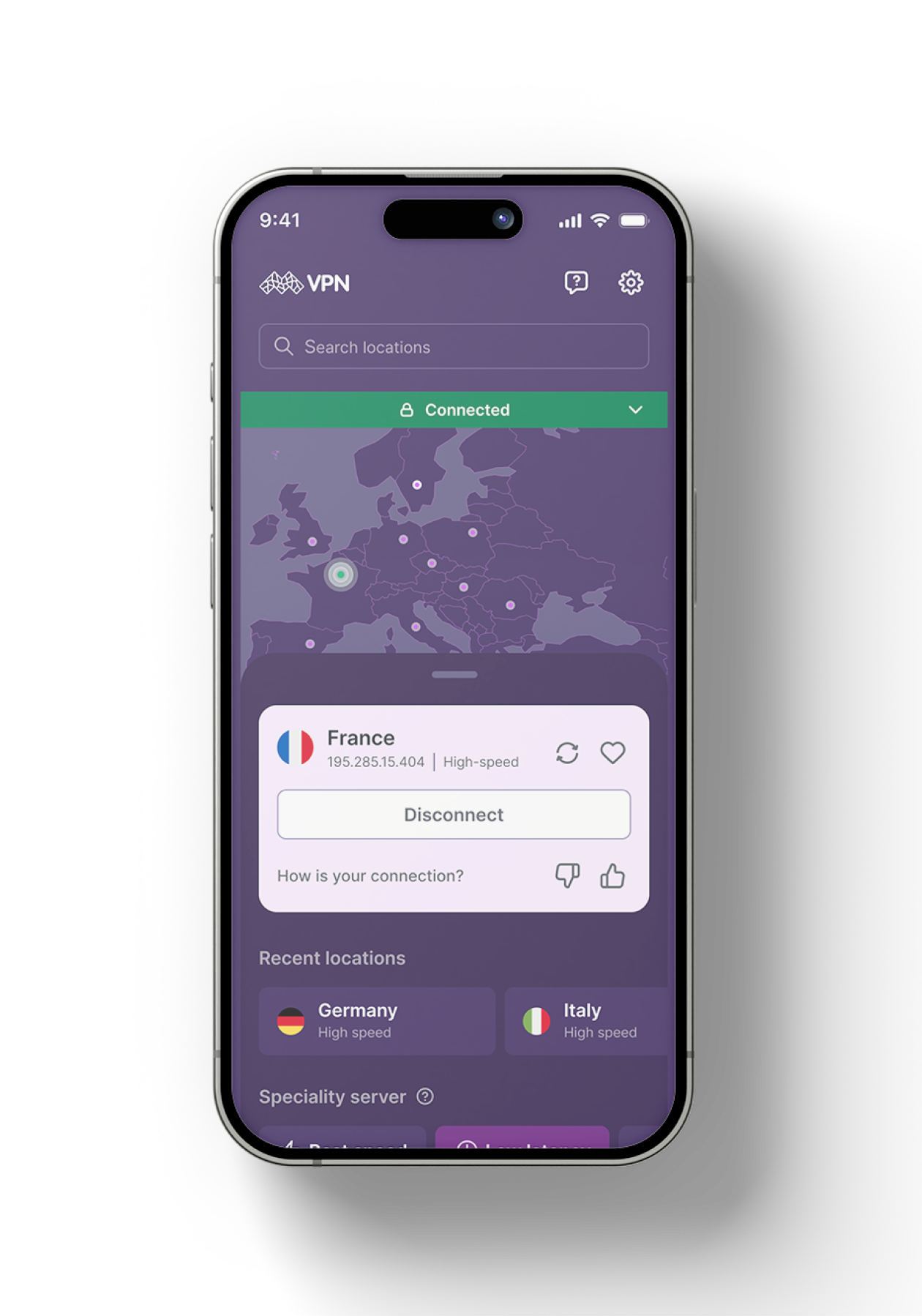
Be part of the resistance, quietly.
Gintarė is a cybersecurity writer at Mysterium VPN, where she explores online privacy, VPN technology, and the latest digital threats in editorial pieces. With hands-on experience researching and writing about data protection and digital freedom, Gintarė makes complex security topics accessible and actionable.
Related Articles