GrapheneOS Chooses Privacy Over Compliance, and Accepts the Consequences



Age verification has been climbing the tech stack for years, from adult content sites to social media platforms, and now all the way to operating systems. The idea that your phone's OS should act as a government checkpoint before you can use your own device is exactly the kind of surveillance normalization that sneaks in one "reasonable" law at a time until suddenly it's just the way things work.
On March 20, GrapheneOS, the privacy-focused open-source Android fork, publicly announced it will not implement age verification into its OS under any circumstances. It stated that it will remain usable by anyone worldwide without requiring personal information, identification, or an account. If that gets it banned in certain regions, so be it.
The Laws That Made It This Far
The pressure behind this statement comes from multiple directions at once. Brazil's Digital ECA took effect on March 17, covering operating systems and app stores, with fines of up to R$50 million (roughly $9.44 million USD) per violation.
California's AB 1043, taking effect January 1, 2027, requires every OS provider to collect a user's age at account setup and expose it via a real-time API to any app developer who requests it, while Colorado is running a parallel bill.
However, what starts as a California or Brazil requirement has a reliable pattern of becoming the global floor, and open-source developers locking California out over AB 1043 have already shown how the wider community sees this fight.
For GrapheneOS, the stakes extend beyond principle. The project recently announced a Motorola partnership at MWC, with a next-generation enterprise device planned to run the OS. If GrapheneOS devices can't be sold in markets that mandate age checks, that partnership takes a real commercial hit before it even launches.
Why Refusing Is the Only Right Call
GrapheneOS exists specifically to strip out Google's tracking infrastructure, enhance app sandboxing, and give users a mobile OS that doesn't treat them as a data source. Baking age verification into the setup flow would gut that purpose, since you can't verify a user's age without collecting something real about them and creating a record that persists.
The project's statement was direct: "GrapheneOS will remain usable by anyone around the world without requiring personal information, identification, or an account. GrapheneOS and our services will remain available internationally. If GrapheneOS devices can't be sold in a region due to their regulations, so be it."
Most companies fold at the first sign of regulatory pressure, calculating market access against compliance cost and taking the path of least resistance. GrapheneOS named the cost explicitly and rejected it anyway, and I think that's the only intellectually honest position available to a project built on the premise that privacy is the point. Sure, they do risk a lot. And yet, abandoning your morals usually ends up being a whole lot more costly in the long run.
Age Gates That Protect No One and Surveil Everyone
The deeper problem with these laws is that they don't actually verify anything. AB 1043 requires no proof, meaning any user can type in any birth year they please, and nothing stops them from doing so.
What it does create is infrastructure: a permanent OS-level API broadcasting your age bracket to every app developer who asks, in real time, from the moment you set up your device. One breach, one future amendment, and that pipeline becomes something far more invasive than a four-option age bracket. Brazil's Digital ECA delivered its first compliance story within days when Rockstar, a global game publisher, decided it was simpler to pull its storefront than absorb the burden.
No serious evidence exists that any age verification regime has meaningfully reduced minors' access to restricted content. The kids these laws target route around them within days, using a parent's account, a borrowed credential, or the same VPN the adults are running. What they reliably produce is a centralized identity infrastructure sitting on top of platforms never designed to hold it, waiting to be breached.
Every OS maker should follow GrapheneOS's lead and refuse. The surveillance architecture these laws build into your device doesn't disappear once the political moment passes. If the goal is protecting children and not normalizing surveillance, then show us a method that works, because demanding an OS collect your age bracket at setup and pipe it to every developer who asks is not that.


Be part of the resistance, quietly.
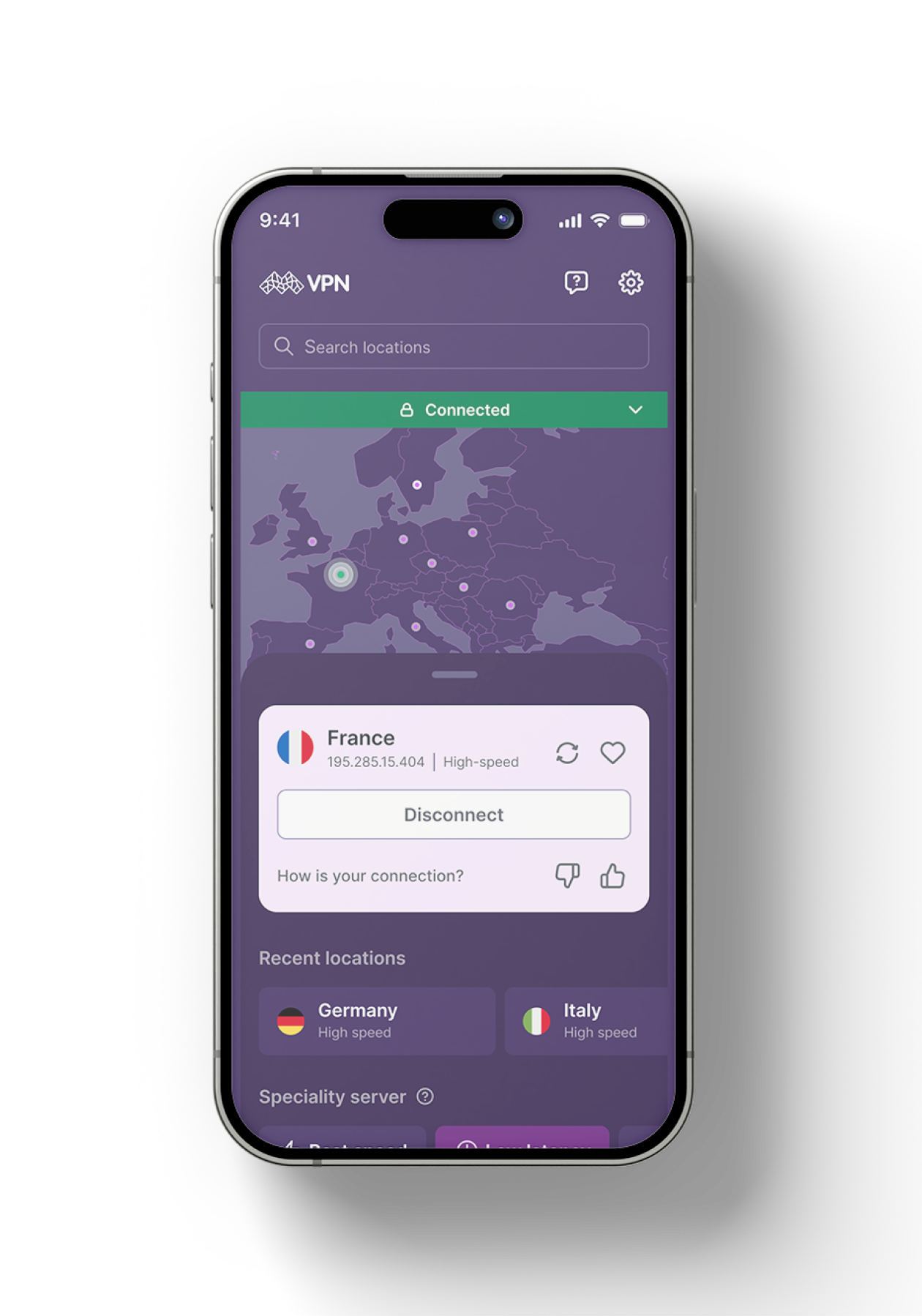
Get Mysterium VPN
Dominykas is a technical writer with a mission to bring you information that will help you keep your digital privacy and security protected at all times. If there's knowledge that can help keep you safe online, Dominykas will be there to cover it.
Related Articles
.png)