Instagram's New Teen Alert Is What Protecting Kids Online Actually Looks Like


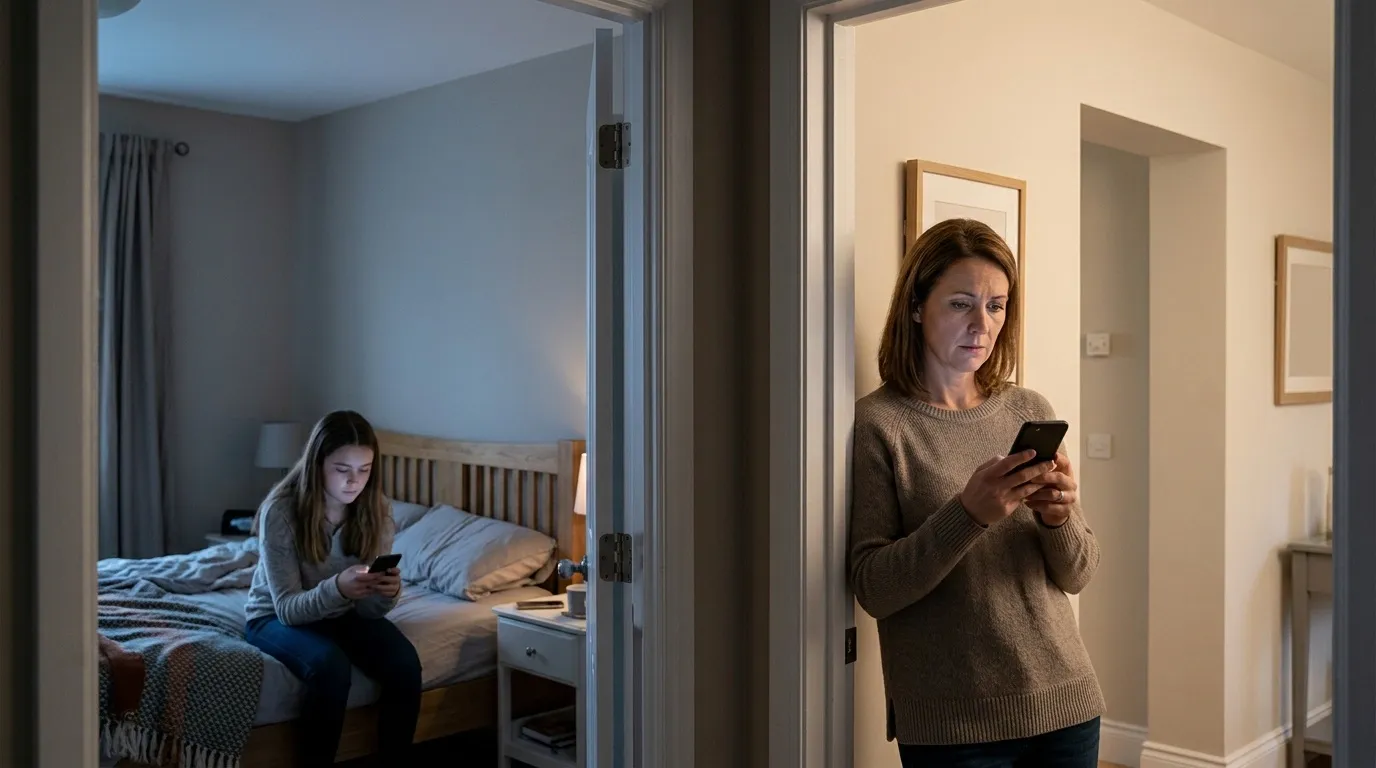
In the perfect world, every parent would be perfectly aware of their immense responsibility in raising their children and be involved in their lives at least enough to notice and take fitting action when something is not going well. The thing is, we don’t live in a perfect world, and we all have our own lives where it’s easy to get lost in and miss these important details. But while a social media ban can do pretty much nothing good about it, this new Instagram feature just might.
Meta announced that Instagram will start notifying parents when their teen repeatedly searches for terms related to suicide or self-harm within a short window of time. It's targeted, specific, and frankly overdue. And it matters a lot more than most of the "child safety" theater we've seen from governments and tech companies over the past few years.
This is not a single solution for all online child safety issues. But it does seem like a step in the right direction, at long last.
Instagram’s Attempt to Protect Children
According to Meta’s promises, parents enrolled in Instagram's supervision features will receive an alert if their teen repeatedly tries to search for suicide or self-harm-related content. Flagged searches include phrases promoting self-harm, phrases suggesting a teen wants to hurt themselves, and direct terms like "suicide" or "self-harm."
Instagram already blocks these searches and redirects teens to helplines. But now, these alerts will also go out via email, text, or WhatsApp, plus an in-app notification, and include expert resources to help parents navigate a very difficult conversation.
This adds a layer on top by making sure a parent also knows it's happening. The rollout starts in the US, UK, Australia, and Canada, with other regions to follow later this year. Meta also confirmed that similar alerts for AI conversations are coming.
Big Tech Finally Doing the Right Thing?
For the past few years, the dominant approach to protecting teens online has been blunt-force policy, which often takes the form of bans and restrictions. The results have been predictably messy, with surveillance infrastructure being built on the promise of child safety, blanket restrictions that treat teenagers like liabilities, and actual problems, from addictive algorithms to self-harm, continuing to get worse anyway.
What Meta has done here is different. Instead of restricting access and calling it protection, they built a system that responds to a real, observable warning sign. Dr. Sameer Hinduja, Co-Director of the Cyberbullying Research Center, plainly expressed that empowering a parent to step in when a young person is searching about suicide or self-harm is exactly the kind of change child safety experts have been pushing for.
That it took lawsuits, congressional hearings, and years of public outrage to get here is its own kind of damning. But here we finally are, so perhaps there is hope yet.
Let's Not Pretend There's No Fine Print
Any system that monitors search behavior and flags it to a third party is, technically, surveillance. The intentions here are good. But the question of where this goes matters. Who decides which search terms cross the threshold? What happens to the data? Today it's "suicide" and "self-harm." Those are reasonable starting points. But thresholds have a way of expanding once the infrastructure is already in place.
There's also a real difference between a teen being notified that this feature exists and a teen genuinely understanding their search activity is being monitored. The line between "parental support tool" and "search monitoring program" is thinner than Meta's announcement makes it sound. And while it’s a genuinely good feature to have, what I’m saying is that things like that must be done thoroughly so that they remain exactly what they're supposed to be.
One Good Move Doesn't Rewrite the Whole Playbook
Instagram built something that could genuinely help parents catch a crisis before it becomes a tragedy. If governments want a model for what actual online child protection looks like, this is closer to it than any social media ban or age verification law they've passed so far.
That said, Meta still runs the algorithms that push vulnerable teens deeper into harmful content in the first place. One alert feature doesn't change that. The same company that built this tool also built the machine it's partially trying to counter. So yes, credit where it's due. And pressure where it's needed. This is a step, not a finish line.


Be part of the resistance, quietly.
Get Mysterium VPN
Dominykas is a technical writer with a mission to bring you information that will help you keep your digital privacy and security protected at all times. If there's knowledge that can help keep you safe online, Dominykas will be there to cover it.
Related Articles
.png)