Invisible Architecture of Surveillance: Microsoft



The grand architecture of global surveillance is already in place and working wonderfully behind the scenes. The problem is, people imagine totalitarianism arriving with jackboots and stormtroopers, surveillance cameras on every corner, aggressive policing, and lynchings without due process, and starting an openly unaccountable regime.
But governments got smarter, since societies everywhere are connected to technology.
While constitutional barriers are there to protect fundamental rights from abusive overreach, governments still exercise extensive liberties that allow them to exploit legal loopholes by purchasing data from big tech companies and data brokers.
This practice gives law enforcement and intelligence agencies lots of legroom to access information without the need for warrants or court orders, which, of course, raises concerns about digital surveillance and privacy and whether it is in the best interest of society for governments to reduce freedoms in exchange for more control.
This grants law enforcement and intelligence agencies unfettered access to information, allowing unrestricted digital surveillance powers, especially if bookkeeping is generally kept off-the-record.
And somewhere in all this is you, the user, navigating a macrocosm engineered to embed, record, and track the details of your daily life across digital platforms while selling your data behind the scenes, since nobody really reads the fine print, if it’s even mentioned at all.
But let’s bring this closer to home.
Windows 11 Cloud-Connected Ecosystem
When the switch came for everyone to freely shift over to Windows 11, something new emerged with it: requiring users by default to use a Microsoft Live email account in order to use the operating system.
A Microsoft account lets Windows automatically sync OneDrive files, Edge browser bookmarks, Wi-Fi passwords, Microsoft Store apps, and more. It creates a portable profile that follows you from device to device.
There is a logic to this. As an Apple user, my Apple profile can be synced to any of my Apple devices, so I don’t have to sit there and manually reinstall everything when I use a new Apple device.
However, while Windows 11 doesn’t force every downloaded file into OneDrive, many systems ship with OneDrive backup enabled by default, which sneakily ensures your files get uploaded to Microsoft OneDrive servers.
While this normally requires a prompt from the user, there are multiple independent reports that reveal in recent versions of Windows 11, OneDrive’s default behavior has changed so that Desktop, Documents, Pictures, and similar folders get backed up or synced to OneDrive automatically when you sign in with a Microsoft account.
The days when using Windows felt like a unique experience are over, replaced by a universal, utilitarian design aimed at curating the needs of a broad and complex user base.
This can be undone by simply bypassing Microsoft’s account requirement by avoiding device activation to an email identity. To ensure the local user account remains localized:
- Disconnect from the internet during installation or account setup.
- You can continue account setup offline by choosing “I don’t have internet.”
- Then, select “Continue with limited setup.”
Microsoft and Its Relationship to Intelligence Agencies
Moreover, there is another underlying problem with this setup, since ostensibly there is an underlying conflict of interest to users concerned about their data privacy.
Leaked documents revealed that Microsoft was included in the NSA’s PRISM program, providing access to user data from Outlook.com, Skype, and Hotmail accounts. The company complied with government requests, which allowed the NSA to collect communications data, including messages and call metadata, before full end-to-end encryption was implemented for Skype.
It doesn’t end there.
Last August, investigative reporters from The Guardian revealed that Microsoft's cloud platform Azure and other services were used closely by Israel’s military intelligence (Unit 8200) to store and process large volumes of intercepted communications and surveillance data. Microsoft engineers were also involved in customizing the infrastructure.
Arguably, saying this sparked significant criticism and concern over the company’s role in military and intelligence contexts does not fully capture the extent of the breach of consumer privacy.
Azure Government Top Secret
In August 2021, Microsoft revealed a specialized version of Microsoft’s cloud platform called Azure Government Top Secret (TS), which was designed for U.S. federal agencies such as the NSA, FBI, DoD, and Department of Homeland Security. It can process and store Top Secret classified information, meeting the highest U.S. government security standards. In fact, Microsoft is serving over 60 cloud services to intelligence agencies.
Another interesting relationship is OpenAI’s GPT‑4o platform, which is available through Microsoft’s Azure OpenAI Service and runs on the same Azure cloud platform that Microsoft has authorized to operate in highly secure intelligence environments, including U.S. intelligence and Department of Defense Top Secret cloud regions.
Azure OpenAI Service, which enables access to GPT‑4o and other advanced models, has been authorized for use at all U.S. government data classification levels, which allows government agencies to use these AI models within Azure Government Top Secret for classified workloads.
This doesn’t necessarily mean that GPT‑4o is inherently gathering user input for intelligence agencies. However, given the close relationship with U.S. government cloud infrastructure and the legal loophole created by the Third-Party Doctrine under the Fourth Amendment, it is not entirely unrealistic to consider that agencies could access digital information that is voluntarily shared with or stored by third parties.


Be part of the resistance, quietly.
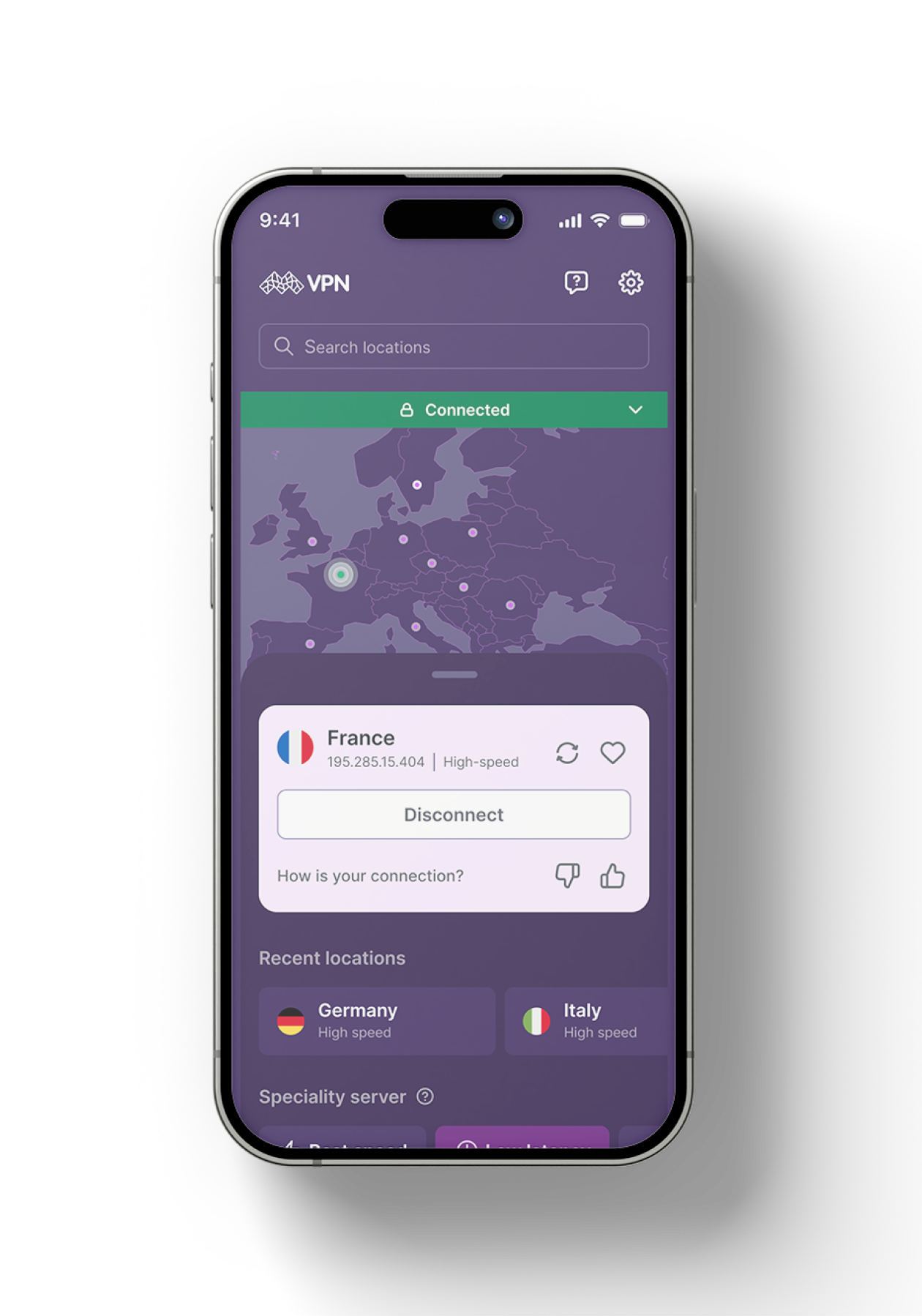
Get Mysterium VPN
Jesse William McGraw, also known as GhostExodus is a former insider threat and threat actor. He became the first person in recent U.S. history to be convicted of corrupting industrial control systems. Nowadays he focuses on threat intelligence, OSINT, and public speaking, uses his knowledge to bring awareness to security risks.
Related Articles
.png)