Iran’s Regime Pulls the Internet Plug Yet Again Amidst US-Israeli Attacks


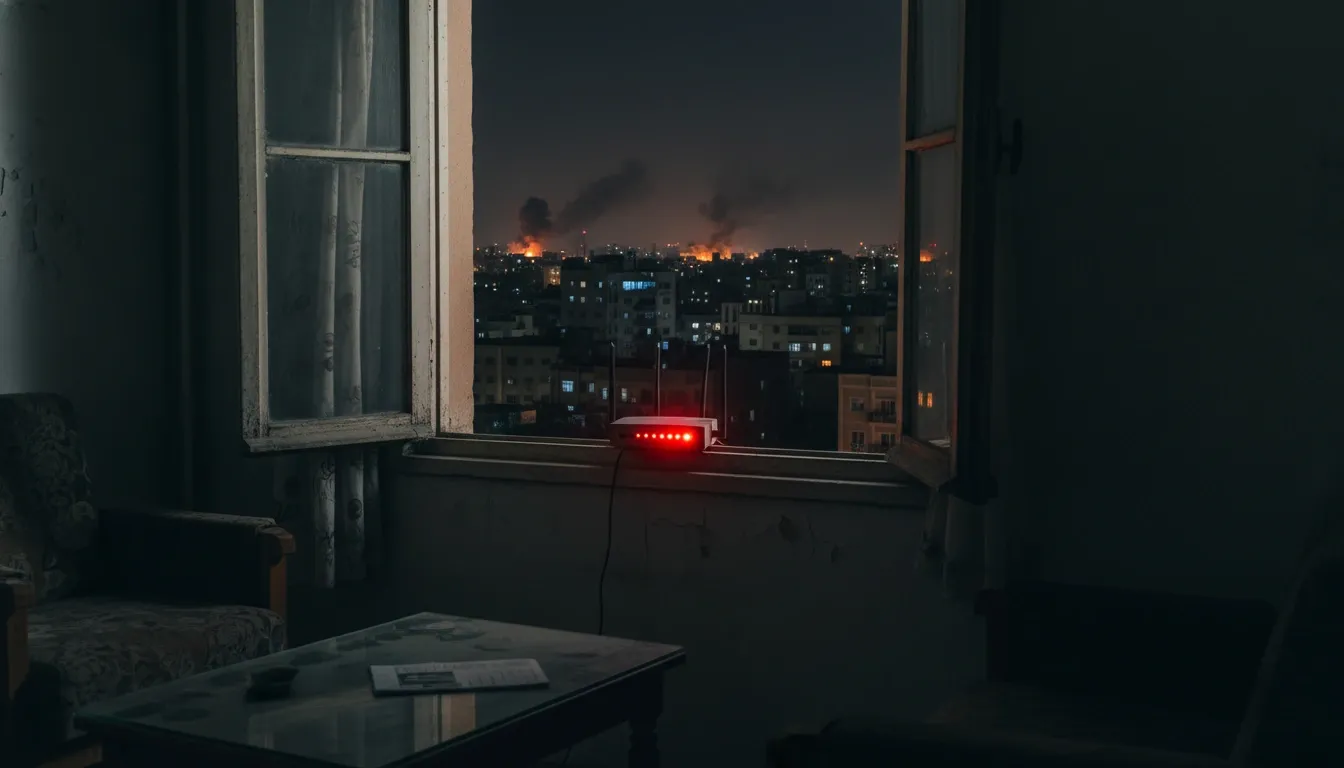
It seems like Iranian people just can’t catch a break as the horrors in the country continue. Bombs are falling on Tehran, and the supreme leader has been eliminated, but the regime shows no signs of giving up.
As US and Israeli forces launched strikes on Iran starting February 28, the Islamic Republic did what it always does in a crisis and silenced its own people first. The internet went dark, and all of the 90 million Iranians were disconnected from the world all over again.
Lights Out Across Iran
Within hours of the first strikes, NetBlocks confirmed a near-total nationwide internet blackout, with connectivity dropping to 4% of ordinary levels almost immediately. By the 24-hour mark, it had flatlined at around 1%, and, as of this writing, Iran has been at that level for over 72 hours.
Cloudflare Radar data showed traffic "close to zero" across all major regions, including Tehran, Fars, Isfahan, Alborz, and Razavi Khorasan. In other words, a near-complete shutdown at the time when Iranians need that information the most.
Now, given the situation, the blackout might seem like the collateral damage from bombs hitting infrastructure. At the same time, if you know anything about Iran’s regime, you know this is mostly not true.
The "whitelisting" system that it runs keeps government loyalists and essential state operations online while the rest of the population goes dark, making it painfully clear that this was a choice, not a side effect.
A Blackout on Top of a War
Think about what it means to have your internet cut during an active military conflict. You can't reach family abroad. You can't check where the next strike is coming from. You can't document anything and share it with the outside world. And well, that's exactly the point.
With supreme leader Khamenei's death confirmed, most Iranians began taking to the streets in celebration in cities across the country, including Karaj, Shiraz, and Isfahan. Security forces responded with live fire, as usual, and the blackout was there to make sure as little of that as possible reached the outside world.
The rest of the digital battlefield tells the same story from a different angle. Cyberattacks attributed to US-Israeli actors hit government-aligned news sites, while BadeSaba Calendar, a religious app with over 5 million downloads, was hijacked to push notifications urging Iranian armed forces to lay down their weapons.
The regime's information infrastructure was being dismantled from the outside at the same time the regime was dismantling it from the inside. And caught in the middle are ordinary Iranians, paying the price for a war they didn't start and a blackout they didn't choose.
The Playbook Never Changes
This is Iran's digital curtain in full operation: a kill switch deployed every time the regime feels threatened, dressed up as necessity. And this time, with the supreme leader eliminated and the temporary leadership council crumbling to hold power, it’s being threatened much more than before.
The Iranian regime is desperate, as it’s simultaneously fighting an external war, suppressing internal celebration, and trying to control a narrative it is visibly losing. A blackout that used to buy time is now racing against a country that may be running out of patience for it. But whatever comes next in Iran, the internet will likely be one of the first places we see it.


Be part of the resistance, quietly.
Get Mysterium VPN
Dominykas is a technical writer with a mission to bring you information that will help you keep your digital privacy and security protected at all times. If there's knowledge that can help keep you safe online, Dominykas will be there to cover it.
Related Articles
.png)