Israel Sentences a Jerusalem Journalist to 20 Months Over Social Media Posts


Key Takeaways
- An Israeli court sentenced Bayan Al-Jo'ba, a journalist from occupied Jerusalem, to 20 months in prison over Facebook and Instagram posts published between 2021 and 2024.
- The posts were labeled "incitement" and "support for a terrorist organization" and included personal photos taken inside Al-Aqsa Mosque.
- Al-Jo'ba had been under strict house arrest for over 15 months before Sunday's ruling, during which she gave birth to her third child and attended approximately 13 court hearings.
- Her lawyer plans to appeal the sentence, with imprisonment scheduled to begin September 6.
The Charge Was Photos Inside a Mosque
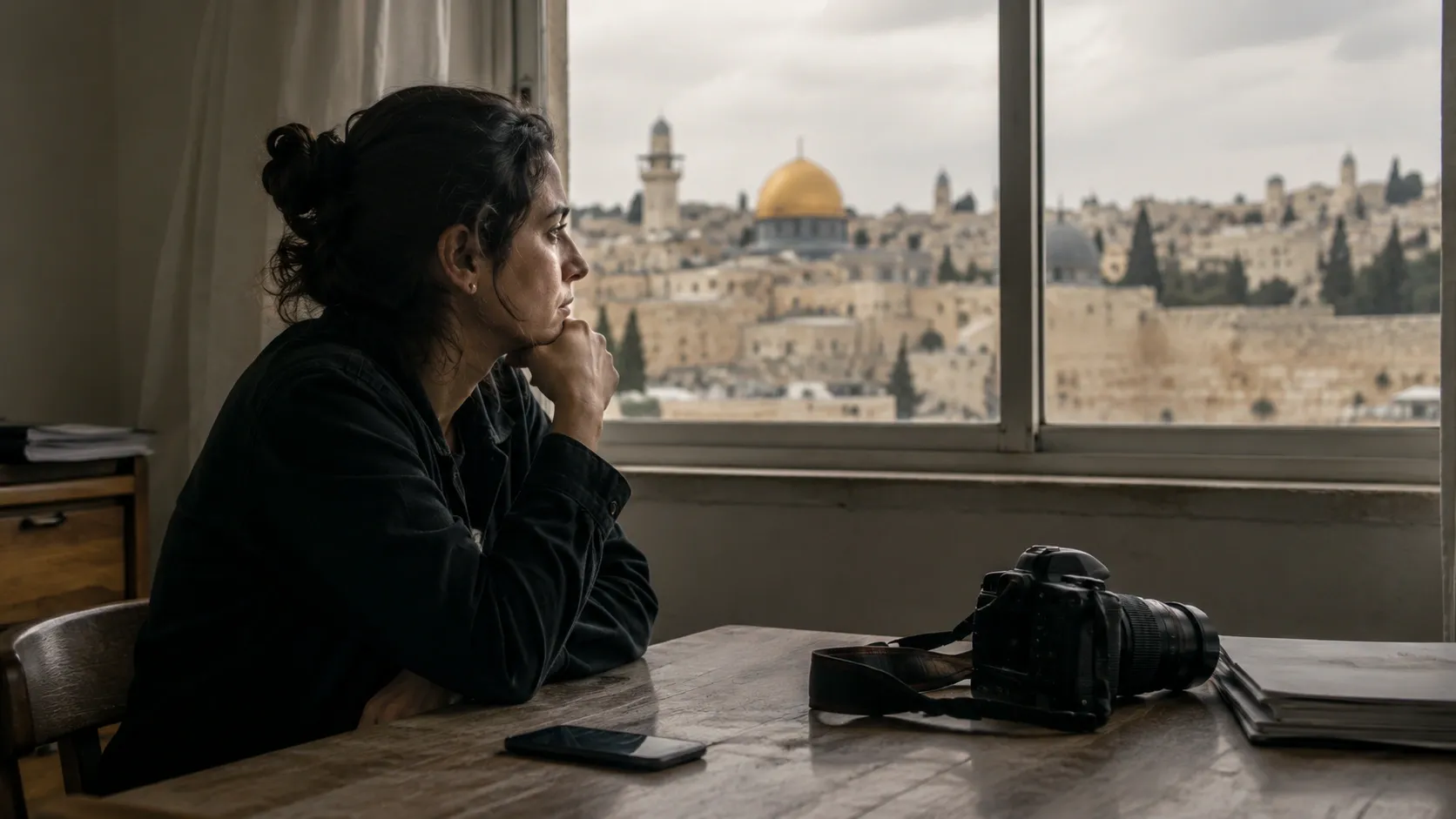
Bayan Al-Jo'ba, a journalist from occupied Jerusalem, was first detained on February 28, 2025, inside Al-Aqsa Mosque, where she had gone with her husband and two daughters to sight the Ramadan crescent. She was released hours later because she was in the final month of a high-risk pregnancy, then placed under house arrest and banned from social media.
By March 20, prosecutors had filed an indictment covering 32 items published on Facebook and Instagram between 2021 and 2024, labeling them "incitement," "support for a terrorist organization," and "membership in a terrorist organization." To no one’s surprise, the items in question actually were just posts expressing solidarity with Palestinians, commentary on Israeli military activity, and personal photos taken inside Al-Aqsa Mosque, and the explanation of what any of this has to do with terrorism was never given.
On Sunday, after approximately 13 hearings spread across more than a year, the verdict landed at 20 months in prison, a six-month suspended sentence valid for three years, and a 5,000-shekel fine, making Al-Jo'ba the latest addition to a growing list of journalists jailed for social media posts that governments decided to call incitement. Imprisonment begins September 6. Her lawyer plans to appeal.
"Incitement" as a Tool With No Fixed Meaning
Human rights organizations have documented time and time again how Israeli authorities consistently classify non-violent Palestinian online expression as incitement, including criticism of Israeli policies, documentation of military activity, religious content, and posts expressing solidarity with Palestinians killed by Israeli forces. The category is deliberately elastic, making it easy to fit it over anything if you stretch it far enough.
What that elasticity produces in practice is a cycle familiar to anyone watching how governments handle digital dissent. Social media bans come first, then house arrest, then prolonged court proceedings that drag on for over a year while the accused gives birth, raises children, and waits. The point is not just the final sentence, and the months of surveillance and legal pressure that precede it are just as much the mechanism as the verdict. By the time a verdict arrives, the message has already been delivered.
A Year of House Arrest, a Newborn, and Then Prison
Al-Jo'ba was arrested at a mosque during Ramadan while heavily pregnant. She was released on medical grounds. She gave birth to her third child. She spent the next 15-plus months under house arrest, banned from the platform she worked on as a journalist, attending court sessions while her family watched. At the end of all of that, an Israeli court gave her 20 months for posts that include personal religious photographs.
Al-Jo'ba's family and legal team have described the ruling as part of a systematic effort to silence Palestinian journalists in occupied Jerusalem and criminalize digital expression under deliberately broad legal definitions. I think they are right to name it that, because what else would you call a legal system that treats a photo inside a mosque as evidence of terrorism? If the charge of incitement carries any meaning at all, it should require more than a picture of where you prayed


Be part of the resistance, quietly.
Get Mysterium VPN
Dominykas is a technical writer with a mission to bring you information that will help you keep your digital privacy and security protected at all times. If there's knowledge that can help keep you safe online, Dominykas will be there to cover it.
Related Articles
.png)