Key Takeaways
- Missouri Governor Mike Kehoe signed HB 1839 on July 9, 2026, cementing age verification for adult sites into permanent state law, weeks after Pornhub had already blocked Missouri users rather than comply with the rule the bill now replaces.
- The law requires any site with a third or more sexual content to verify age through digital ID, government ID, or transactional data, and it bars companies from retaining that data once verification is complete.
- The same week, the US Supreme Court declined to block Texas's App Store Accountability Act, letting the state keep requiring app stores to verify users' ages and secure parental consent before minors can download apps.
- Missouri becomes the latest of more than 20 states where Pornhub has pulled out entirely rather than build the verification infrastructure lawmakers are demanding.
A Rule Becomes Permanent Law
Missouri Governor Mike Kehoe signed House Bill 1839 into law, requiring commercial websites where a third or more of the content is sexual material harmful to minors to verify that visitors are adults. Users can prove their age through digital identification, a government-issued ID, or transactional data such as mortgage or employment records.
Verification companies are barred from holding onto that data once the check is complete. The bill formalizes a rule Missouri's attorney general had already been enforcing since late November 2025, and that rule alone was enough to push Pornhub out of the state entirely, with the company choosing to disable its Missouri access rather than ask users to prove they are adults.
HB 1839 takes effect August 28, 2026, and adds real penalties behind the requirement. Sites that skip verification face up to $10,000 a day, retaining ID data adds another $10,000 per instance, and a site can owe as much as $250,000 more if a minor is found to have accessed the content anyway.
Missouri now sits alongside more than 20 other states where Pornhub has pulled out rather than comply, turning what started as a handful of state laws into a near-complete blackout across large parts of the country.
The Supreme Court Opens a Second Front
The same week Kehoe signed HB 1839, the Supreme Court declined to block Texas's App Store Accountability Act, letting the state keep enforcing it while the underlying legal challenge continues. Signed by Governor Greg Abbott, Texas's Senate Bill 2420 requires app stores to verify a user's age at account setup and sort them into age brackets.
The law also requires a verified parent to be linked to a minor's account before any app, from any developer, can be downloaded. That is a meaningfully different mechanism from Missouri's law. HB 1839 targets individual websites, and a platform that refuses to comply can simply choose not to operate in the state, the way Pornhub did.
Texas's law instead sits at the app store layer itself, meaning the verification happens before a single app can even reach a minor's phone. Age verification just moved up a floor in the building, and it survived two separate legal challenges to get there, one from the Free Speech Coalition and one from industry groups whose members include Apple, Google, and Meta.
Meta, notably, has spent the past year publicly lobbying for exactly this kind of app store level check, preferring it to verifying ages on its own platforms.
A Pattern, Not a Coincidence
Two states, two different enforcement layers, landing the same week. That is not a coincidence, and it is exactly how this trend has spread since it started. Once one state's law survives a court challenge or a company's public retreat, other legislatures treat it as proof of concept rather than a warning worth heeding.
Missouri watched Pornhub walk away and decided that was validation, not a red flag, and Texas just got the Supreme Court's blessing to push the same logic up to the operating system level. Meanwhile, this is exactly the pattern that has carried age verification from a handful of adult sites to nearly every corner of the internet over the past two years.
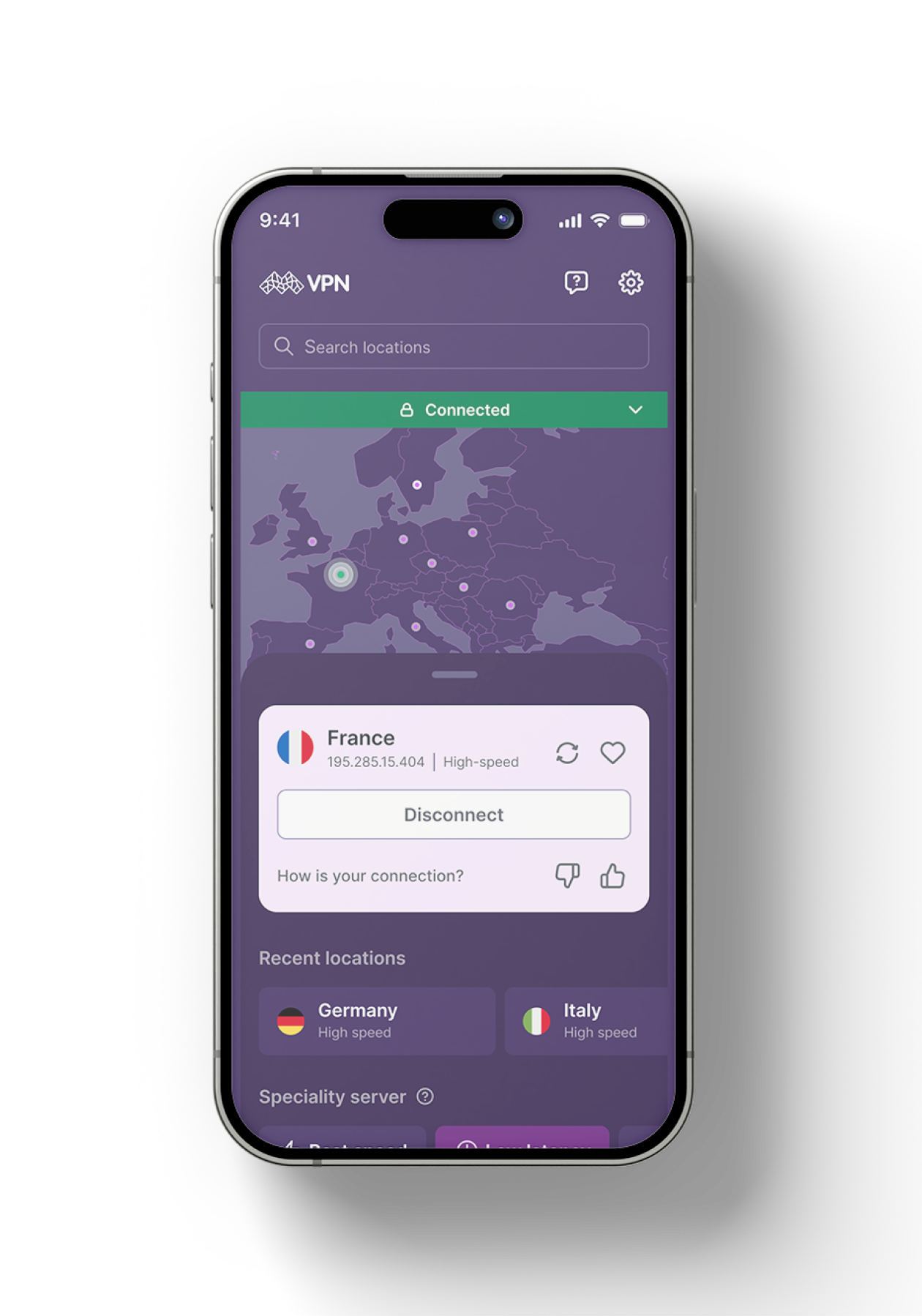
For a site-level law like Missouri's, a VPN does what it has always done well, letting you change your apparent location so a block tied to your state simply does not apply to you the way it does to your neighbor. That will not touch Texas's app store law, since that verification happens the moment you set up your device, long before any VPN connection comes into play. But for the growing list of states where entire sites are choosing to vanish rather than verify, a Mysterium VPN connection is still the difference between losing access and simply routing around the block.


Be part of the resistance, quietly.
Get Mysterium VPN

Ina is an occasional contributor covering the strange and overlooked corners of the internet – surveillance, data grabs, and the invisible systems that know more about us than our friends do.
Related Articles
.png)