Moscow Bans Drone Strike Photos and Frames It as Fighting Misinformation


Key Takeaways
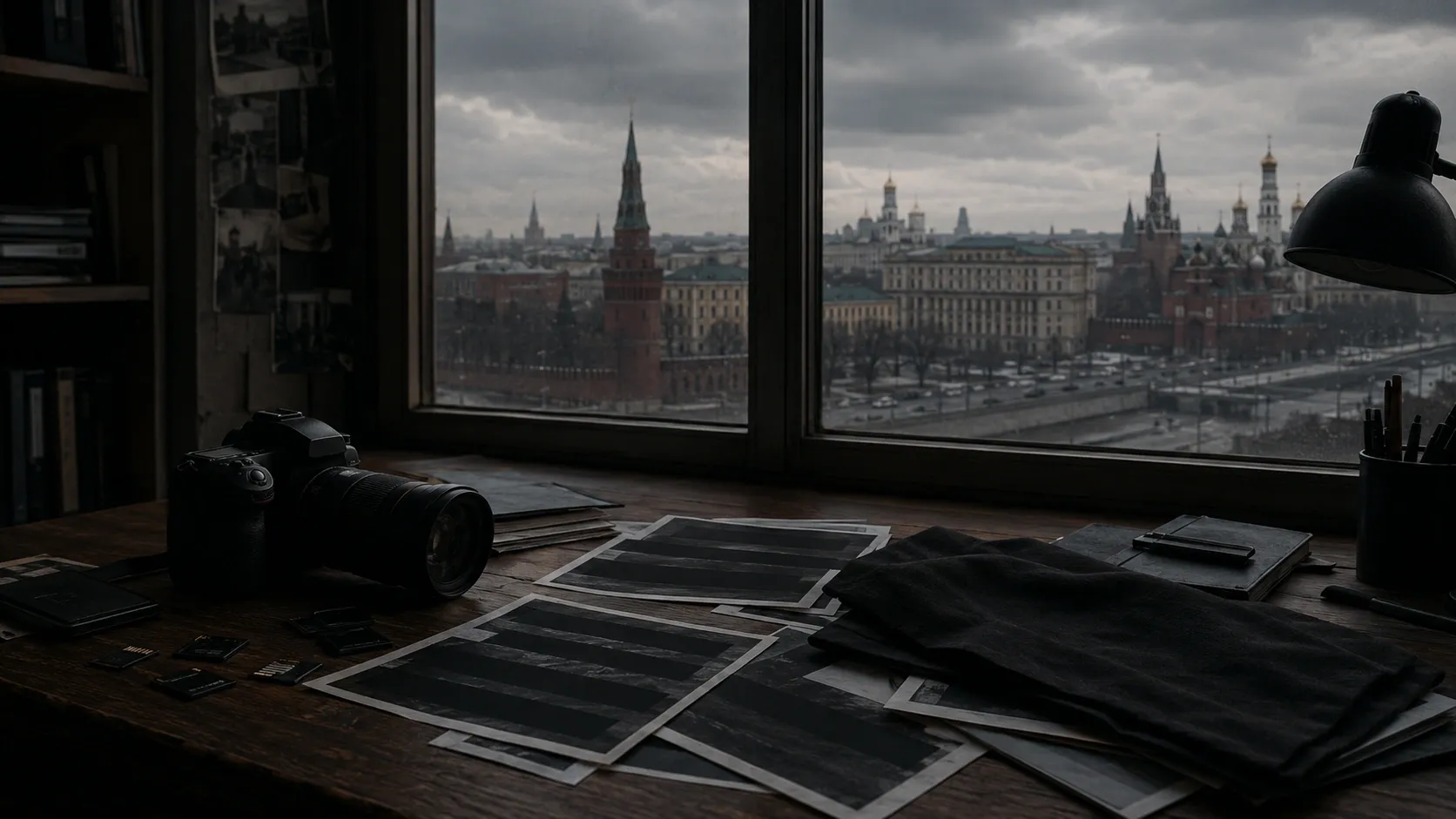
- Moscow's Anti-Terrorism Commission has banned publishing photos and videos of drone strike and terrorist attack aftermath, with no set end date.
- The ban exempts only the Defense Ministry, the mayor's channels, and the Moscow city government, while everyone else faces fines ranging from 3,000 rubles for individuals up to 200,000 rubles for organizations.
- The official justification is preventing "the spread of misinformation," but the exemptions for state actors expose the real purpose.
- More than 30 Russian regions had already imposed identical bans before Moscow joined them.
The Exemption That Explains Everything
Russia has a specific tell when censorship is about to arrive: the word "misinformation." Moscow's Anti-Terrorism Commission used it on May 13 when it banned the publication of photos and videos showing the aftermath of terrorist attacks and drone strikes, naturally citing the spread of misinformation and public safety. The ban has no set end date and remains in force until "a separate decision" is made, which is the kind of open-ended language that tends not to close itself.
The fines are real enough: 3,000 to 5,000 rubles for individuals, 30,000 to 50,000 for officials, and 50,000 to 200,000 for legal entities. What is equally real is who is exempt. Russia's Defense Ministry, the mayor of Moscow, and the Moscow city government can all still publish, having been judged by the Anti-Terrorism Commission to pose no misinformation risk whatsoever, which is a curious determination given that all three have an institutional interest in presenting the war as going well.
Yet, I would say the exemption is the whole story. If the concern were genuinely about accuracy, the appropriate response would apply to everyone, with editorial standards governing what gets published. Instead, the rule removes publishing rights from civilians and journalists while preserving them exclusively for state actors. That is not a misinformation policy but a monopoly on the visual record of what the war looks like when it arrives in Moscow.
Moscow is also far from the first to do this. According to estimates by Fontanka, similar bans were already in effect in more than 30 Russian regions before Moscow joined them. The pattern had been growing since 2024, with regional bans on drone strike content spreading steadily outward. Yet, when Moscow adopts the same rule, it stops being a regional quirk and becomes the working national standard regardless of what any federal statute says.
The Same Excuse That Closed the Internet and Blocked the Apps
This is the same reasoning Russia has applied to every major information control measure of the past two years. Moscow's week-long mobile internet blackout in March was framed as drone defense, even as the FSB received authority to order telecom shutdowns days before the outages began. Russia's move toward blocking Telegram came with justifications about fraud prevention and security, and WhatsApp was removed from Russia's domain name system under identical language.
In 2025, Russia recorded 37,166 hours of internet shutdowns affecting 146 million people, more than three times the next country on Top10VPN's annual ranking, with nearly every restriction wrapped in the same security framing.
The photo ban is that logic applied to cameras and social media accounts. When drones start hitting Moscow and citizens photograph the wreckage outside their windows, the wreckage becomes a political problem. The image of a struck building in the Russian capital does not fit the war narrative the Kremlin has maintained since 2022, and banning the image means the government controls what the damage looks like to anyone who wasn't standing there.
Calling a Censorship Ban a Safety Measure Only Works If Nobody Checks the Exemptions
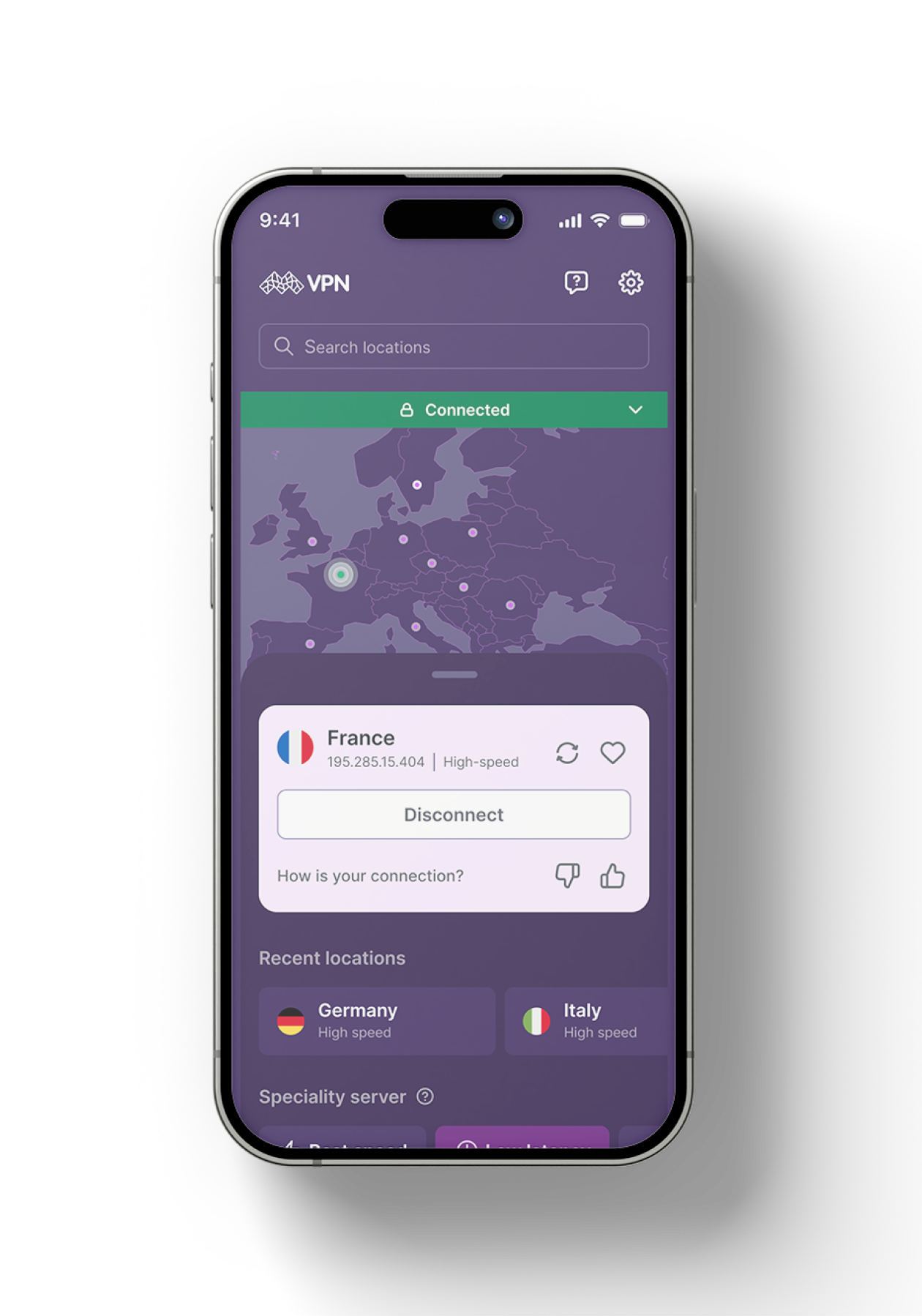
Ultimately, how much enforcement muscle Moscow's Anti-Terrorism Commission puts behind this ban remains to be seen. But if you are in Russia and want to stay informed and protect yourself from the growing sweep of these restrictions, a virtual private network is your answer, and you can get Mysterium VPN with 78% off right now.
Ultimately, "misinformation prevention" is the phrase governments reach for when the actual information is the problem. A citizen photographing rubble in their neighborhood is not producing misinformation but producing evidence, and that evidence is accurate, which is precisely why the ban exists. It’s a very open secret that Russia’s war on misinformation is actually a misinformation device in itself. But it seems that this pretend game doesn’t get old for its government nonetheless.


Be part of the resistance, quietly.
Get Mysterium VPN
Dominykas is a technical writer with a mission to bring you information that will help you keep your digital privacy and security protected at all times. If there's knowledge that can help keep you safe online, Dominykas will be there to cover it.
Related Articles
.png)