The Philippines Is Eyeing a Telegram Ban That Will Hurt the Wrong People


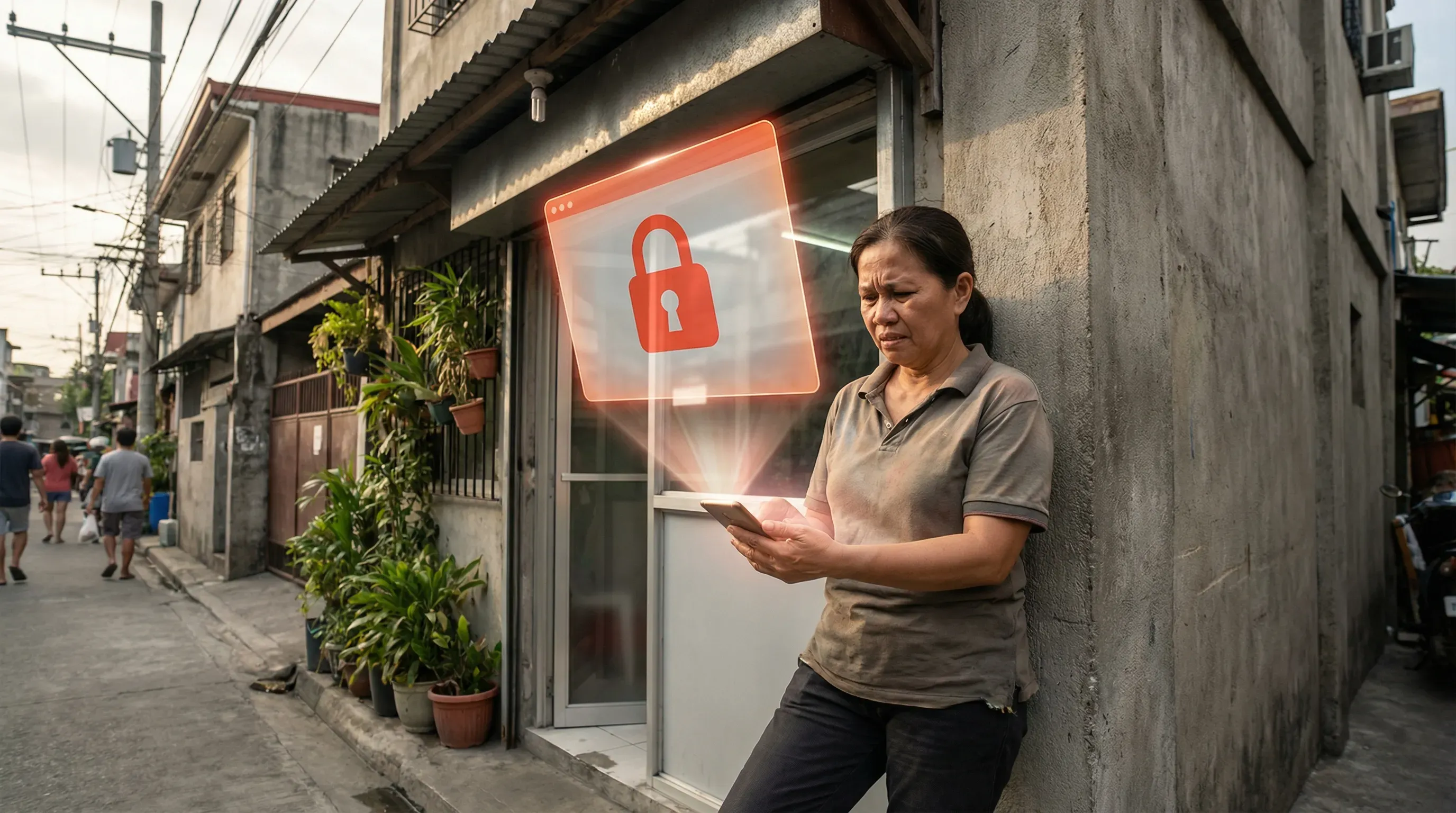
Governments banning apps over illegal content is becoming a familiar story. The platform hosts something problematic, authorities struggle to get cooperation, and, for better or worse (usually worse), eventually someone floats the idea of just shutting it down entirely.
The latest country to follow this path is the Philippines, where the Department of Information and Communications Technology (DICT) has confirmed it's actively studying a Telegram ban. Secretary Henry Aguda made the case in a radio interview on DZRH, citing illegal gambling, child exploitation material, and pornography spreading across the platform.
Nobody is going to defend any of that. But banning Telegram is not the answer, and the Philippines should know better by now.
Majority Paying for Minority’s Crimes
According to DICT Secretary Aguda, illegal gambling operators in the Philippines have been migrating their operations to Telegram as domestic enforcement tightened around web-based platforms. On top of that, the app is reportedly being used to distribute pornographic material and, most seriously, to facilitate the online sexual exploitation of children. Aguda called that last point "non-negotiable" and warned that platforms failing to act will face blocking.
The DICT has also flagged ongoing difficulties coordinating with Telegram's management to enforce local regulations. That's a legitimate frustration. But the proposed solution, cutting off access to the entire app for everyone in the country, is a sledgehammer where a scalpel is needed.
The Argument Doesn't Hold Up
The problem with platform bans is that they punish the majority for the behavior of a minority. Ann Cuisia, CEO of TraxionTech, put it well in response to the news: bad actors don't disappear when an app gets blocked. They move. They adapt. What stays behind are disrupted small businesses, broken community groups, and millions of ordinary users who did nothing wrong.
The Philippines has one of Southeast Asia's most active crypto user bases, and much of that community runs on Telegram. Small businesses use it. Families use it. Community groups use it. A nationwide ban wipes all of that out while the actual criminals simply shift to the next encrypted channel on the list.
The DICT's own track record on this should give pause. The agency recently temporarily banned Grok over sexually explicit deepfake concerns and then quietly lifted the restriction after negotiations with xAI. And to add to it, the Cybercrime Investigation and Coordinating Center has also floated blocking Signal.
Simply put, a pattern is forming here, and it's not a reassuring one.
Something That Is All Too Familiar
If the Philippines goes through with a Telegram ban, it won't be breaking new ground. It will be following a playbook that's already been tried and failed. When Russia blocked Telegram back in 2018, the justifications sounded familiar: illegal content, refusal to cooperate with authorities, and national security concerns.
The ban caused widespread collateral damage across Russian internet infrastructure, largely failed to actually stop Telegram usage thanks to VPNs and proxies, and was eventually reversed in 2020 after two years of embarrassment. Of course, now it’s going at it again.
Unlike Russia, the Philippines' goal may not necessarily be straight-up censorship, but they are essentially risking the same outcome. Governments that can't get platforms to cooperate through legal and diplomatic channels increasingly reach for the kill switch. It's politically visible, it signals toughness, it doesn't require the hard work of building actual enforcement capacity, and it “only” costs the internet freedom.
Banning Apps Is Theater, Not Policy
The real problem isn't Telegram. It's that illegal gambling operators, child abusers, and scammers are using every available tool to operate, and domestic enforcement can't keep up by a long shot. Blocking one app doesn't solve that. It just redirects it.
Meaningful solutions look like international cooperation frameworks, dedicated cybercrime enforcement resources, and genuine pressure on platforms through legal channels with real consequences. A ban looks like action on paper while delivering very little of it in practice.
Millions of Filipinos use Telegram for entirely legitimate purposes every day. They shouldn't have to pay the price for a policy that protects no one while inconveniencing everyone.


Be part of the resistance, quietly.
Get Mysterium VPN
Dominykas is a technical writer with a mission to bring you information that will help you keep your digital privacy and security protected at all times. If there's knowledge that can help keep you safe online, Dominykas will be there to cover it.
Related Articles
.png)