Portugal Just Made Parental Permission Mandatory for Teens on Social Media


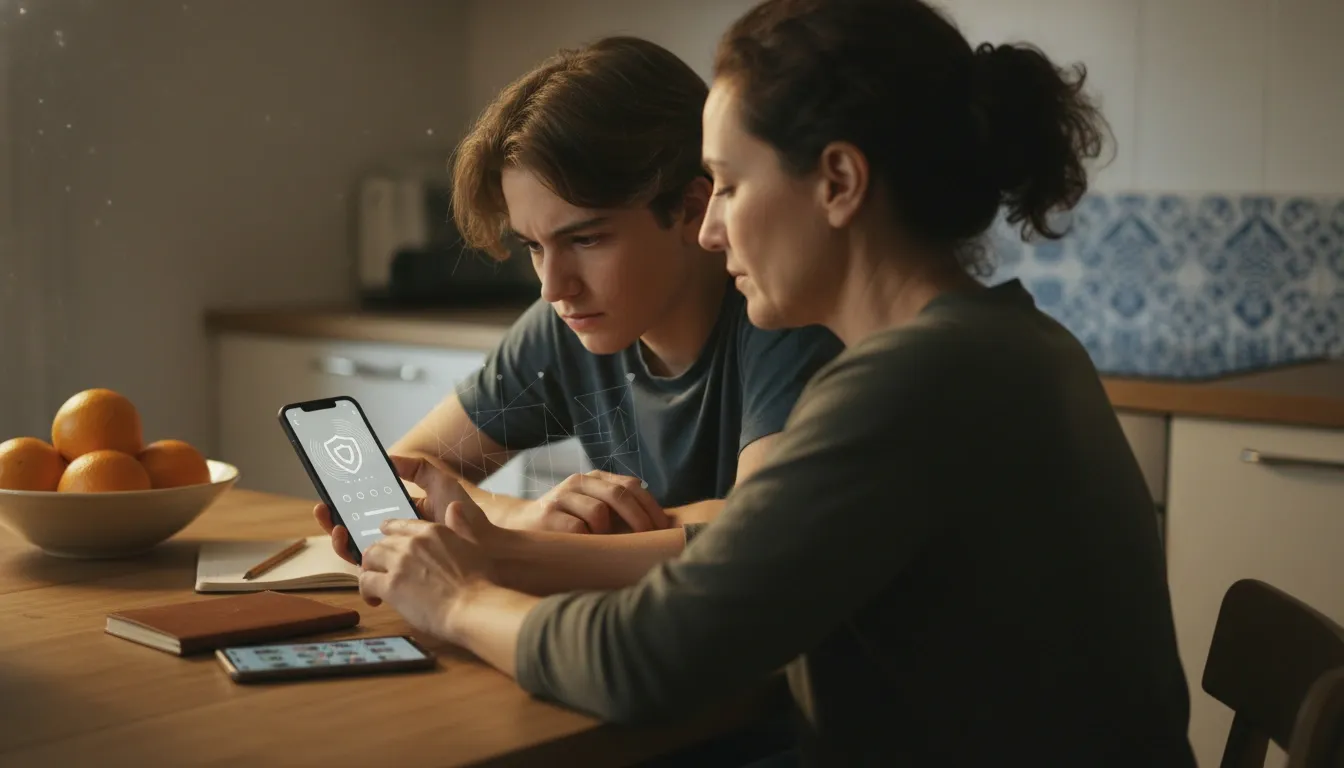
Thursday was a big day for social media ban proponents in Portugal, as the parliament voted to require parental consent for anyone aged 13 to 16 to access social media platforms. The bill passed its first reading 148-69, making Portugal one of the first European countries to move beyond discussions and actually legislate age restrictions.
Kids under 13 are banned entirely, while teens ages 13 to 16 will now need Mom or Dad to digitally sign off using Portugal's government ID system before they can scroll Instagram or post on TikTok. And if platforms don't comply, they're looking at fines up to 2% of their global revenue.
"Child Safety" Through Government ID Checks
The mechanism that Portugal has chosen for this endeavor is the Digital Mobile Key system – the government's digital authentication platform that Portuguese citizens already use for public and private online services. It's the same system people use to access tax records or authenticate with banks, now repurposed for social media gatekeeping.
While for the younger kids, the door is completely shut, those between the ages of 13 and 16 will still be able to continue using the social media platforms in question, but only after receiving parental consent through this Digital Mobile Key system. Parents digitally authenticate, platforms verify the age, and only then does the teen get access.
The restrictions cover platforms like Instagram, Facebook, and TikTok. WhatsApp gets a pass, because apparently the government figured parents actually want to text their kids.
Tech companies that ignore these restrictions face fines of up to 2% of their global revenue. This may not sound like much, but for giants like Meta or ByteDance, that comes to a lot more than just pocket change. Enforcement falls to Portugal's National Communications Authority and the National Data Protection Commission.
Why Portugal Says Platforms Had It Coming
If you read the bill's language, it doesn't pull punches. It says this fills a regulatory gap that's allowed "multinational digital platforms to set rules unilaterally," affecting children's cognitive and emotional development through early or excessive exposure.
Over the past two decades, social media assumed roles traditionally held by families and schools without any regulation to back it up. Platforms wrote their own rules, and governments are only now trying to claw back control.
PSD lawmaker Paulo Marcelo framed it as empowering parents rather than prohibition. "We have to protect our children," he said before the vote. "We don't intend to prohibit for the sake of prohibiting, we intend to create a norm to give more power to parents and families." The stated concerns included cyberbullying, harmful content, predatory individuals, and mental health risks.
The Privacy Problems Nobody Mentioned In Parliament
While lawmakers were patting themselves on the back for protecting children, some important questions got glossed over pretty quickly.
The opposition party IL raised a pretty obvious point: kids have been circumventing age verification requirements since the internet began. The idea that this system will keep determined 14-year-olds off TikTok is optimistic at best.
But the bigger issue, the one that comes with every single age verification law without fail and should bother everyone, is that the verification requirement applies to everyone, not just minors. Adults hand over identity data to prove they're allowed to use services they've been using for years.
And, of course, buried in the bill is a clause, there’s also Article 12, which allows "automatic monitoring of all messages sent before they are actually sent." IL's Jorge Miguel Teixeira called this out as verification of personal correspondence. Because just like that, supposedly simple age verification turns into actual surveillance.
The Socialist Party, despite voting yes, admitted they're not sure parental authorization is the best solution and want to dig into how age certification actually works. Those are good questions. They should've been answered before the vote.
And nobody's really talking about platform compliance. Will Facebook and TikTok actually implement this for Portuguese users, or just geofence Portugal? When regulations get invasive enough, platforms have options. And usually, they don’t involve playing along.
This type of social media ban might be a little bit better than most of what we've seen so far. Unfortunately, it's still very far from something that we could call actually good.


Be part of the resistance, quietly.
Get Mysterium VPN
Dominykas is a technical writer with a mission to bring you information that will help you keep your digital privacy and security protected at all times. If there's knowledge that can help keep you safe online, Dominykas will be there to cover it.
Related Articles
.png)