Roblox’s AI-Powered Age Verification Turns Out to Be a Dumpster Fire

Key Takeaways
- Days after launch, Roblox's new AI-powered age verification system (which analyzes uploaded images to estimate age) is reportedly generating widespread problems.
- Users are experiencing false negatives (adults failing verification and losing access to features), and false positives by proxy (parents verifying on behalf of their kids, effectively giving children adult-level access).
- The article describes opaque, unexplained rejection errors and inconsistent results across different regions and devices.
- Roblox developers have reportedly been discussing the fallout on official forums, including a thread titled "Age check to chat update: fast-follow roadmap," addressing concerns about players losing chat access and uncertainty around verification timing and stability.
Just days after launch, Roblox’s new AI-powered age verification system has already become a textbook example of how not to do safety on the internet. The rollout was supposed to make the platform safer for kids. Instead, we are watching a rushed experiment play out (and, of course, create a massive mess) on one of the biggest gaming and social spaces for children on the planet.
Many of us observing age verification laws have seen this pattern before, all too many times already: real concerns about children are used to justify an identity dragnet that impacts everyone, with very little evidence that it will actually work.
What Roblox’s AI Age Verification Is Trying To Do
Roblox has been under intense pressure for years to prove it takes child safety seriously. In response, it began rolling out age verification for features like voice chat and more “mature” experiences. That original Roblox age verification rollout already raised red flags for privacy advocates, because it leaned on document checks and biometric-style analysis of faces to decide who counts as an adult.
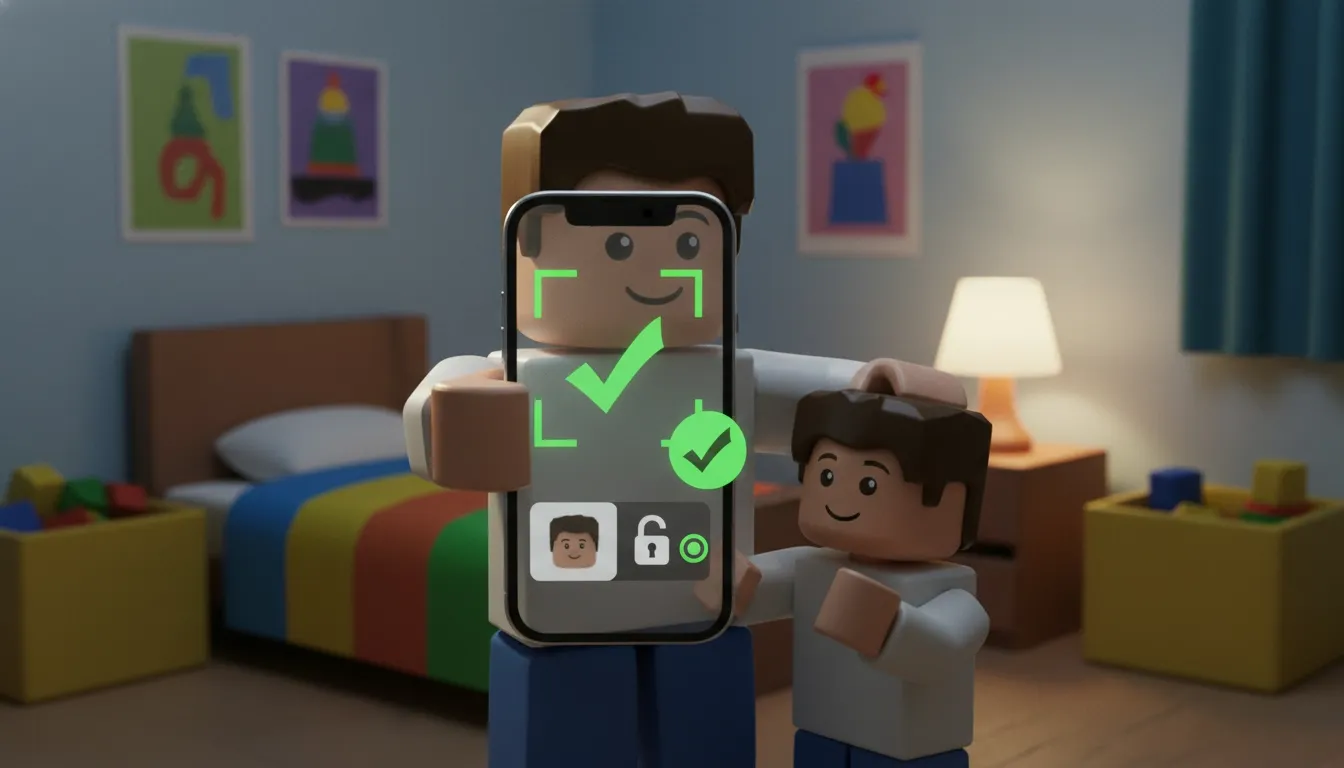
The latest step is an AI-powered age check, meant to automate and scale that process. You upload images, the system analyzes them, and the AI decides whether you are old enough to access certain content or features. On paper, it sounds efficient: no more manual reviews, faster approvals, stronger protection for minors.
In reality, it has spiraled into confusion and frustration so quickly that even major tech outlets are now openly calling Roblox’s AI-powered age verification a complete mess.
What Is Actually Going Wrong For Roblox Right Now
Because the system is new, we do not have long-term studies or neat dashboards. What we do have is a flood of reports from players, parents, and developers about how chaotic things feel on the ground.
To begin with, the system is pushing out a ton of false negatives. Adults are failing verification or getting stuck in limbo, locked out of features they previously used without issue. At the same time, plenty of kids who aren't supposed to pass the check do so without a hiccup.
Then, there are false positives by proxy. Many parents reportedly pass age checks on behalf of their kids and then hand over access. In practice, that means the system is still giving children adult permissions, just through a borrowed identity.
On top of that, users are running into opaque errors, with generic rejections and no clear explanation of why they failed or how to fix it. The problems are made worse by an uneven rollout, where some regions and devices appear to have more issues than others.
And it is not just the players, as the creators are already dissecting the collateral damage on the official developer forums. The thread “Age check to chat update: fast-follow roadmap” reads like a slow-motion car crash in progress.
Developers are worried about large chunks of their audience suddenly losing access to in-game chat, parents stepping in to verify accounts “for convenience,” and uncertainty about how long verification will take or how stable it will be.
When creators are posting such roadmaps just to adapt to an age check system, you know the infrastructure is already reshaping the ecosystem around it.
AI Age Checks Don’t Fix Safety – They Only Make It Worse
AI-driven age verification sounds like a safety upgrade, but in practice, it often means building an identity system on top of a game. To work at scale, these tools typically rely on government IDs, biometric scans, or both. That creates scattered “mini ID vaults” across apps, turning entertainment platforms into targets for attackers and especially exposing minors, who rarely have a real say in the process.
Even when companies promise to delete data after verification, users are asked to take that on faith, despite a long history of similar promises followed by leaks and breaches across the industry. What gets normalized is the idea that to simply chat, build, or play online, you must first hand over sensitive personal information and hope it is never misused or exposed.
And for all that risk, these systems still do a very poor job of actually protecting kids. They lock out legitimate users, are easy to route around with borrowed accounts, and push developers into constant damage control as AI models quietly misjudge who is “old enough.”
Instead of mass data collection and brittle automation, genuine child safety will have to come from better platform design, real moderation, and digital literacy, not from turning everyday internet use into a permanent checkpoint. But how many of such dumpster fires do we need to finally start doing things the right way?


Be part of the resistance, quietly.
Dominykas is a technical writer with a mission to bring you information that will help you keep your digital privacy and security protected at all times. If there's knowledge that can help keep you safe online, Dominykas will be there to cover it.
Related Articles