Russia is Coming for Foreign Crypto and It Starts This Summer


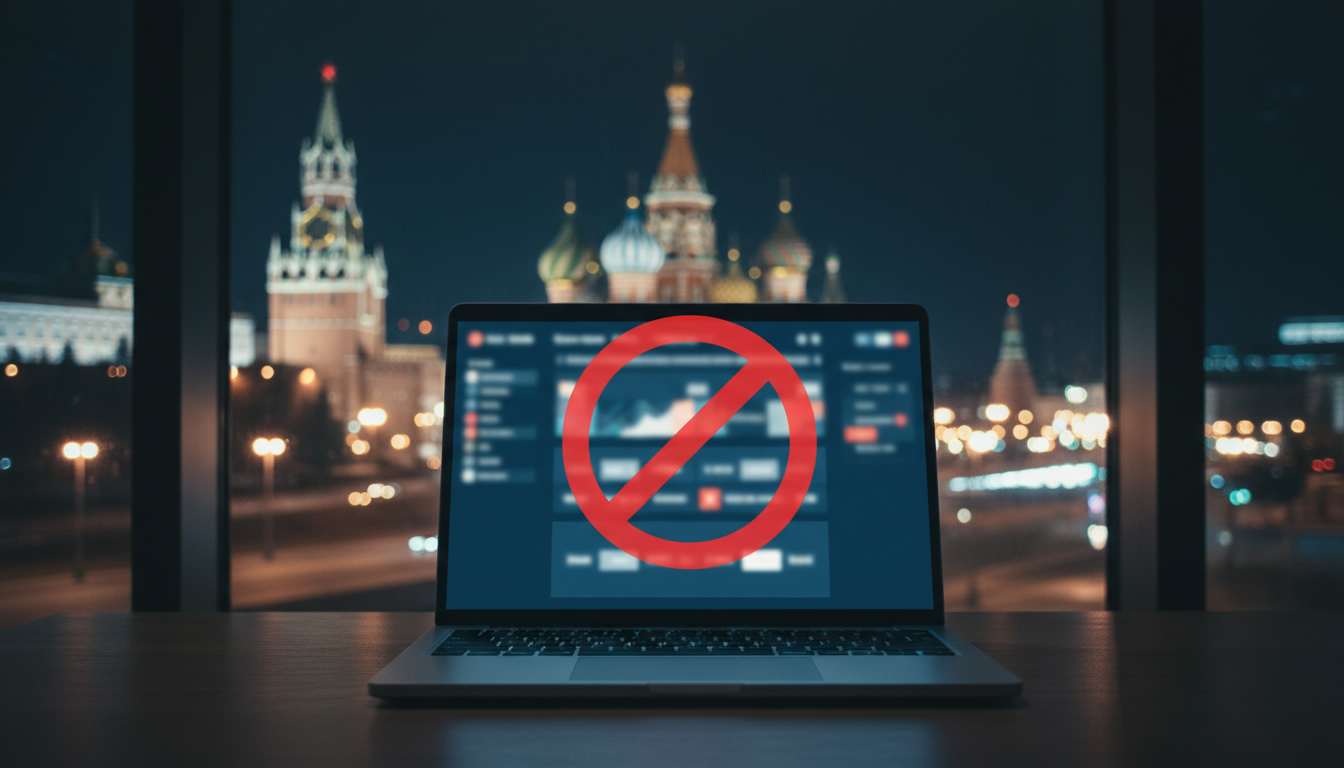
Russia has spent the last few years building one of the most aggressive internet censorship machines outside of China. Telegram, YouTube, VPNs, and foreign news sites are all on the list of things Roskomnadzor has gone after, and it only keeps growing. Now, crypto is next.
The country's internet and media censor is gearing up to mass-block foreign cryptocurrency exchanges as early as summer 2026, backed by new legislation, serious money, and AI-powered enforcement tools that make this one harder to wave off than previous attempts.
The Great Crypto Lockout
The trigger is a new federal regulatory framework expected to be finalized by July 1, 2026. Once it's in place, any crypto exchange that isn't registered in Russia and doesn't store Russian user data on servers physically located inside the country will be fair game for blocking.
The Kremlin's motivation is pretty straightforward. Russian citizens are currently sending around $648 million worth of crypto transactions every single day, almost all of it flowing through unregistered domestic platforms or overseas exchanges.
The chairman of the Moscow Exchange estimates that Russians pay roughly $15 billion annually in transaction fees to foreign platforms. And, of course, Moscow wants that money redirected to state-supervised domestic exchanges. Simple as that.
The primary targets will be exchanges that have historically cooperated with the US, EU, and UK sanctions regimes. If you've complied with the West, you're "unfriendly," and "unfriendly" means you're first on the blocklist.
Same Playbook, Bigger Stakes
If this sounds familiar, it should. This is the same approach Russia used when it went after Russia's Telegram block, WhatsApp ban, YouTube throttling, and its ongoing crackdown on VPN providers. The censorship infrastructure is already there. What's new is the muscle behind it.
Roskomnadzor is reportedly spending $29 million on AI and machine learning tools this year, specifically to identify and filter "unfriendly" crypto infrastructure. That means smarter DNS blocking, deeper traffic analysis, and less room for easy workarounds. The days of a basic block that anyone could sidestep in five minutes are getting numbered.
There's also the data localization angle. Russian law already requires that personal data on Russian citizens be stored on servers inside Russia. Most major international exchanges operate out of Europe or the US, which makes them non-compliant by default. That's the legal cover Roskomnadzor needs to act, and it's airtight.
A Wall That's Hard to Build
That said, don't count ordinary Russians out just yet. Enforcement is genuinely difficult, and there's recent history to back that up. When Binance officially exited Russia back in 2023, experts estimated that at least a million Russians kept right on trading there anyway. A block is not a ban, and just like with teens and social media bans, determined users tend to find a way.
The model Russia seems to be eyeing is the so-called "Belarusian model," where all crypto transactions must route through a centralized, state-approved gateway. That's a much tighter system than a simple website block, and if Russia moves in that direction, it would mark a serious escalation in financial censorship.
What we're watching is a government methodically tightening its grip on every corner of the internet where money and information move freely. Crypto was one of the last places Russians had relatively unfiltered access to global markets. If this goes ahead as planned, that window closes this summer.


Be part of the resistance, quietly.
Get Mysterium VPN
Dominykas is a technical writer with a mission to bring you information that will help you keep your digital privacy and security protected at all times. If there's knowledge that can help keep you safe online, Dominykas will be there to cover it.
Related Articles
.png)