Prove You’re an Adult: TikTok Age Verification in the EU

.webp)
Key Takeaways
- TikTok, along with YouTube, is now required to verify users' ages in the EU, following sustained pressure from EU regulators on social media companies regarding child safety, per reporting cited from The Guardian.
- The system (reportedly trialed in the EU over the past year, resulting in thousands of account removals) analyzes profile information, posted videos, and behavioral signals (comments, interactions) to estimate whether an account belongs to someone under or over 13.
- Accounts flagged as likely underage are routed to human moderators and may be removed, with an appeal option available.
- Appeal options for age verification include third-party age estimation (via Yoti, also used by Meta), credit card authorization, or government-issued ID submission.
The company that runs TikTok has been through the wringer for the last few years. First, the United States kept pressuring ByteDance, the parent company of TikTok, to move its operations to the United States. Now, new hoops to jump through are coming from across the pond. TikTok, along with other companies such as YouTube, is now required to verify users' ages in the EU.
But this isn’t just about age. It’s about who gets to decide what kind of content is “adult enough,” “child-safe enough,” or acceptable at all; and what happens when an algorithm decides you don’t fit neatly into either category.
According to The Guardian, the EU has been continually putting pressure on social media companies to ensure the online safety of European children, doing so by identifying and removing their accounts if they’re too young. TikTok has finally caved in.
What’s Happening
This new algorithm, which has been quietly tried out in the EU over the last year (resulting in the removal of thousands of accounts), will review users’ profile information, the videos they’ve posted, and other behavioural indicators (the comments people leave, what videos they interact with, etc.) to guesstimate whether an account belongs to someone below 13 or over 13.
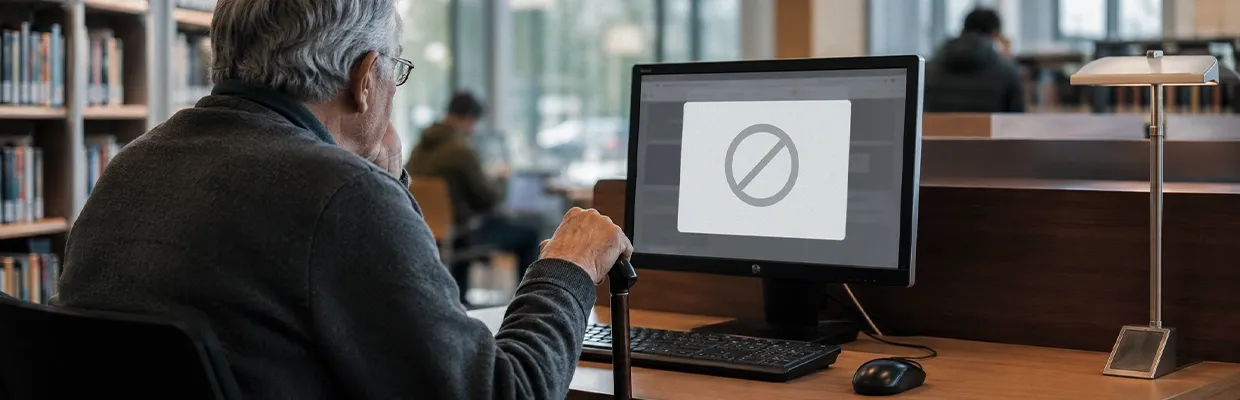
In practice, this means TikTok isn’t just estimating age; it’s evaluating content. Videos that look “too childish” can trigger suspicion. Content that’s deemed inappropriate for children can also become grounds for removal. The algorithm isn’t asking how old you are; it’s asking whether you act like the platform thinks you should.
According to TikTok's terms and conditions, children under 13 weren’t allowed to create an account in the first place, but this rule is rooted more in trust than in actual enforcement. Everyone knows someone who simply subtracted thirteen from the current year to create a “proper” account. I did that myself when creating my Facebook account back in 2011.
If TikTok’s system determines that the account owner is younger than 13, the account will be handed over to a human moderator and may be removed as a result. Users, of course, would have the option to appeal account removal, at which point a human moderator would take over the process.
If you appeal the account removal, you’ll have a few options for age verification: age estimation by a third-party company, Yoti (also used by Facebook and Instagram for the same purposes), credit card authorisation, or government-issued IDs, such as your passport.
Once content is filtered through the lens of “child safety,” the scope rarely stays narrow. Platforms already quietly suppress political content, graphic news footage, discussions of violence, self-harm, or anything that makes advertisers nervous. Age-based moderation doesn’t exist in a vacuum — it feeds directly into broader content controls, shadowbans, and removals that users are never clearly told about.
The Horrors Persist…
The European Union isn’t the first government body to scream from the rooftops that protecting kids is its goal. More than half of the states in the U.S. have already embarked on a similar crusade, also relying on people’s most sensitive personal information. Australia and the United Kingdom are also participating in the trend.
The unspoken side effect of these laws is expanded censorship power. Once platforms are legally responsible for who might see content, they’re incentivised to remove anything risky, controversial, or difficult to classify. It’s safer to delete first and explain never.
The biggest issue at play? No matter how much governments, social media companies, and the politics of the world want it, there’s currently no globally approved way to confirm someone’s age and/or identity without greatly compromising their privacy. As a result, people’s privacy and autonomy suffer in the name of protecting kids from online risks.
I have said this before, and I will say it again: asking people to hand over their sensitive personal data in the form of government-issued IDs (like your passport, identity card, or driver’s licence) or, even worse, biometric data, is a ginormous risk at best, and a horrific sacrifice at worst. Age verification companies, the ones that handle the documents you provide to verify your identity, aren’t immune to hacks, breaches, and misuse. This means your most vulnerable, sensitive data is consistently at risk for falling into the wrong hands.
… But So Do We
The idea of protecting children is noble, but everyone’s going about it the wrong way. Governments and politicians are trying to solve the problem of children’s online safety ASAP by compromising everyone else's personal safety.
Behave correctly, post the right kind of content, look the right age, and hand over your documents – or lose access to the platforms you’ve relied on for years. This isn’t just age verification; it’s conditional participation. If we allow for these regulations to bend us over backwards, the internet we know and love is as good as dead.
I know I’ve been harshly criticising these types of regulations for a while now. Because I do think they’re preposterous and highly dangerous. And I don’t have an alternative to offer. But that’s sort of the point – we should all put our heads together to try and figure out a solution that won’t put most internet users at risk for the sake of protecting a small minority of minors (pun intended).
Because when access to speech depends on algorithms, moderators, and ID checks deciding whether you “belong,” the internet stops being open. And if proving you’re not 13 means surrendering your privacy, your content, and your autonomy? Yeah, I’m getting out of here.


Be part of the resistance, quietly.
Gintarė is a cybersecurity writer at Mysterium VPN, where she explores online privacy, VPN technology, and the latest digital threats in editorial pieces. With hands-on experience researching and writing about data protection and digital freedom, Gintarė makes complex security topics accessible and actionable.
Related Articles