TikTok’s Breaking Political Videos – Here’s Why You Should Be Worried



I don’t know if you noticed, but for the past week, TikTok has been not-so-quietly malfunctioning. Creators posting videos critical of the State’s current political climate, including ICE, local and federal law enforcement, or the Trump administration as a whole, report that they’re uploads are stalling, freezing, or never publishing at all.
At the same time, viewers (myself included) have noticed that political videos now fail to load, buffer, disappear mid-watch, or simply never show up in our feeds. I, for one, have noticed that the usual left-leaning political commentators I follow on the platform have either not been showing up at all in my For You feed, only showing their old videos, or lagging and buffering so badly that they’re basically unwatchable.
So, what’s happening? Well, TikTok says it’s an unrelated technical issue. But is it? When both the ability to upload and the ability to watch break only on one side of the political aisle, at the same time, across thousands of videos on the same topic, “just a glitch” starts to sound less convincing.
Creators Can’t Post & Viewers Can’t Watch
On the creator side, the complaints are consistent. The videos they try to upload get stuck in processing indefinitely. Posts sit at zero views for hours. Some uploads appear live but never enter people’s FYPs. Others fail silently, with no error message at all.
On the viewer side, the experience mirrors that breakdown. Videos critical of what’s wrong with today’s politics buffer endlessly. Clips load audio without visuals. Entire accounts vanish from FYPs after previously appearing regularly. Search results return everything except what users are actively looking for.
This isn’t limited to political commentators or activist accounts. Even beauty creators, meme pages, and lifestyle influencers who are choosing to bravely speak out in spite of their regular content report the same failures when they speak out. The only common denominator is what the video is about. Politics. And how what’s happening right now in America is all types of wrong. To me, this has that old-timey smell of censorship. Do you smell that, too?
All of this is happening as immigration enforcement and policing issues dominate headlines, including ongoing developments in Minneapolis. Timing matters. Platforms know that visibility shapes narratives, especially when news is moving fast.
TikTok’s Excuse: Infrastructure Problems
TikTok’s explanation points to technical instability: data center disruptions, backend failures, cascading errors. On paper, it’s plausible. TikTok is enormous. Systems can break at any time. But random outages don’t behave like this.
Random failures hit everything without nitpicking based on the topic of conversation. These don’t. Neutral content uploads fine. Entertainment flows normally. What fails is political speech; in particular, speech critical of authority.
This isn’t TikTok’s first “technical coincidence,” and it won’t be the last. Platforms under political pressure don’t need direct censorship orders to act cautiously. Algorithms can be tuned. Thresholds can be adjusted. Enforcement can be uneven without ever being declared. And when platforms are navigating regulatory threats, silence is often the safest route.
When Distraction Replaces Deletion
Users have also noticed something else: aggressive distraction. Content suggestions are cluttered with irrelevant emoji strings like “🫁🫁🫁🫁”, which lead to soft-porn and low-effort NSFW content when you click on the emojis. Content moderation? Community guidelines? What’s that?
Yes, I tried clicking on them myself, and I was grossed out by the fact that videos criticizing politics get shadow-banned, but videos featuring basically nude people or maddly inappropriate actions are just fine. The “You May Like” section pushes hypersexualized or unserious posts that pull attention away from what’s actually happening. This isn’t a coincidence.
Modern content moderation doesn’t need sweeping bans to work. If a video technically exists but never loads, never surfaces, or gets buried under other noise, its impact is effectively zero. That’s more subtle (and arguably more effective) than outright removal. It keeps platforms clean, deniable, and compliant, all while reshaping what users actually see.
Why This Should Worry Everyone
What’s happening on TikTok this week isn’t just about one app or one political moment. It’s about how fragile online speech has become. Visibility is conditional now. Conditional on whether the content is “safe.” Conditional on political risk. Conditional on what platforms can afford to be seen hosting.
The myth of a neutral internet has been fading for years. What’s replacing it is something quieter: speech that technically exists but practically doesn’t. Creators can speak, as long as they steer clear of controversial topics. Viewers can watch – as long as the platform allows it.
TikTok insists it isn’t censoring speech. Maybe it isn’t doing so on purpose. But when criticism of power consistently fails to upload, fails to load, and fails to spread, intent becomes irrelevant. The outcome is the same: fewer people see dissent, fewer conversations happen, and fewer narratives challenge the official party line.
No bans. No announcements. Just glitches, distractions, and silence. And if speech can be quietly broken this easily, then the future of online freedom isn’t being debated in public; it’s being optimized in private.


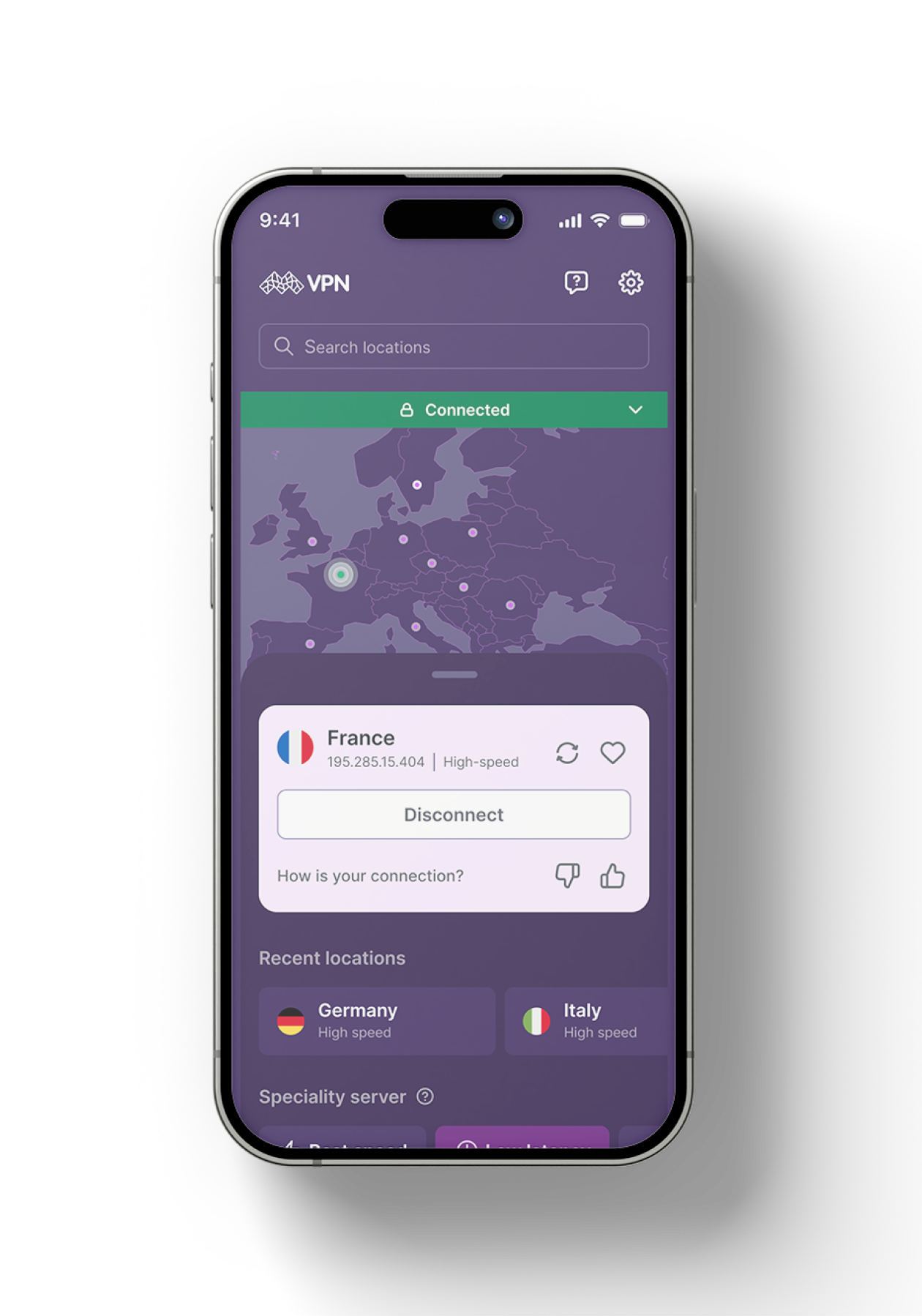
Be part of the resistance, quietly.
Get Mysterium VPN
Gintarė is a cybersecurity writer at Mysterium VPN, where she explores online privacy, VPN technology, and the latest digital threats in editorial pieces. With hands-on experience researching and writing about data protection and digital freedom, Gintarė makes complex security topics accessible and actionable.
Related Articles
.png)