Pay Attention: The UK’s Under-16 Social Media Ban Won’t Just Affect Kids



The United Kingdom is considering one of the strictest moves yet against social media use by minors. Under proposals currently in the consultation phase, children under 16 could be banned from accessing social platforms altogether.
On the surface, the goal is simple. Protect kids from online harm. But here’s the part that’s not being discussed loudly enough. To ban minors from social media, the government has to know who’s a minor. And to know who’s a minor, platforms must verify the age of every single user.
Not just teenagers. Everyone. Including you. This isn’t speculation. It’s basic logic. Think about it: if a platform can’t reliably distinguish a 15-year-old from a 25-year-old, enforcement is impossible. That means age verification systems would need to apply across the board.
The UK is still in the consultation phase. Nothing’s finalized yet. That makes this the most important moment for public scrutiny. Because once things are said and done, there’s not going to be a way out of this. So you need to pay attention.
Age Verification = Data Collection
There’s no magic button that says “Are you 16?” and guarantees an honest-to-goodness answer. Age verification usually involves uploading your government-issued ID, scanning your face, linking to financial or credit databases, or relying on third-party verification services that store sensitive personal information.
In plain English, that means more data. Your passport. Your driver’s license. Your biometric information. Your face.
And here’s the uncomfortable truth. There’s currently no universally agreed-upon, privacy-preserving method for verifying age on a large scale. Experts continue to debate the technical and legal risks. Yet governments are moving quickly anyway.
Good Intentions, Broad Consequences
The desire to protect children online is legitimate. Social media platforms have flaws. Algorithms can amplify harmful content. Teen mental health is a serious issue. But broad regulation rarely stays contained to its original purpose.
If every adult in the UK must prove their age to access mainstream social media platforms, that fundamentally changes how the internet works. Anonymous access shrinks. Identity-linked activity expands. Centralized verification systems grow.
Some people use social media differently from the average user. Journalists speaking to confidential sources. Whistleblowers exposing corruption. Political activists organizing under hostile governments. Members of vulnerable communities who rely on anonymity to speak freely. Forcing universal identity verification doesn’t just “confirm your age.” It creates a system where access to speech is tied to personal documentation.
You might not hesitate to upload your driver’s license to log into Facebook. But for others, attaching their legal identity to their online presence could carry real consequences. Harassment. Surveillance. Retaliation.
Anonymity isn’t a loophole. It’s a safeguard. And once you erode it at the infrastructure level, you can’t easily rebuild it. That is why blanket regulations often create collateral damage far beyond their original goal.
And data doesn’t just sit safely in a vault. It gets breached. It gets leaked. It gets repurposed. The more identity verification layers we add in everyday online life, the more attractive those systems become to hackers, bad actors, and future policymakers who may interpret “protection” differently. That’s not paranoia. It’s pattern recognition.
Pay Attention Before It’s Too Late
Consultation phases sound dull. They are anything but. They’re the stage where public input can shape outcomes. Once laws are passed and enforcement mechanisms are in place, frustration won’t roll them back. Complaining afterward won’t dismantle a national verification infrastructure.
If you care about your privacy, your digital autonomy, or limiting how much of your personal information circulates online, this proposal affects you directly. Because if the UK concludes that protecting minors requires universal age checks, then every adult user becomes part of that system. And once governments normalize identity checks for everyday online activity, the boundary shifts.
Today, it is under-16 access. Tomorrow, it could be content categories. Political speech. News platforms. We don’t support sweeping regulations that reshape the structure of the internet without proven, expert-backed privacy safeguards. Especially when no clear, widely accepted technical solution exists.
Protecting children shouldn’t mean quietly constructing an identity layer across the entire web. If you’re in the UK, now’s the time to pay attention. Consultation periods aren’t procedural footnotes. They’re the last moment before infrastructure becomes reality.
Because once it does, it won’t matter how loudly anyone objects.


Be part of the resistance, quietly.
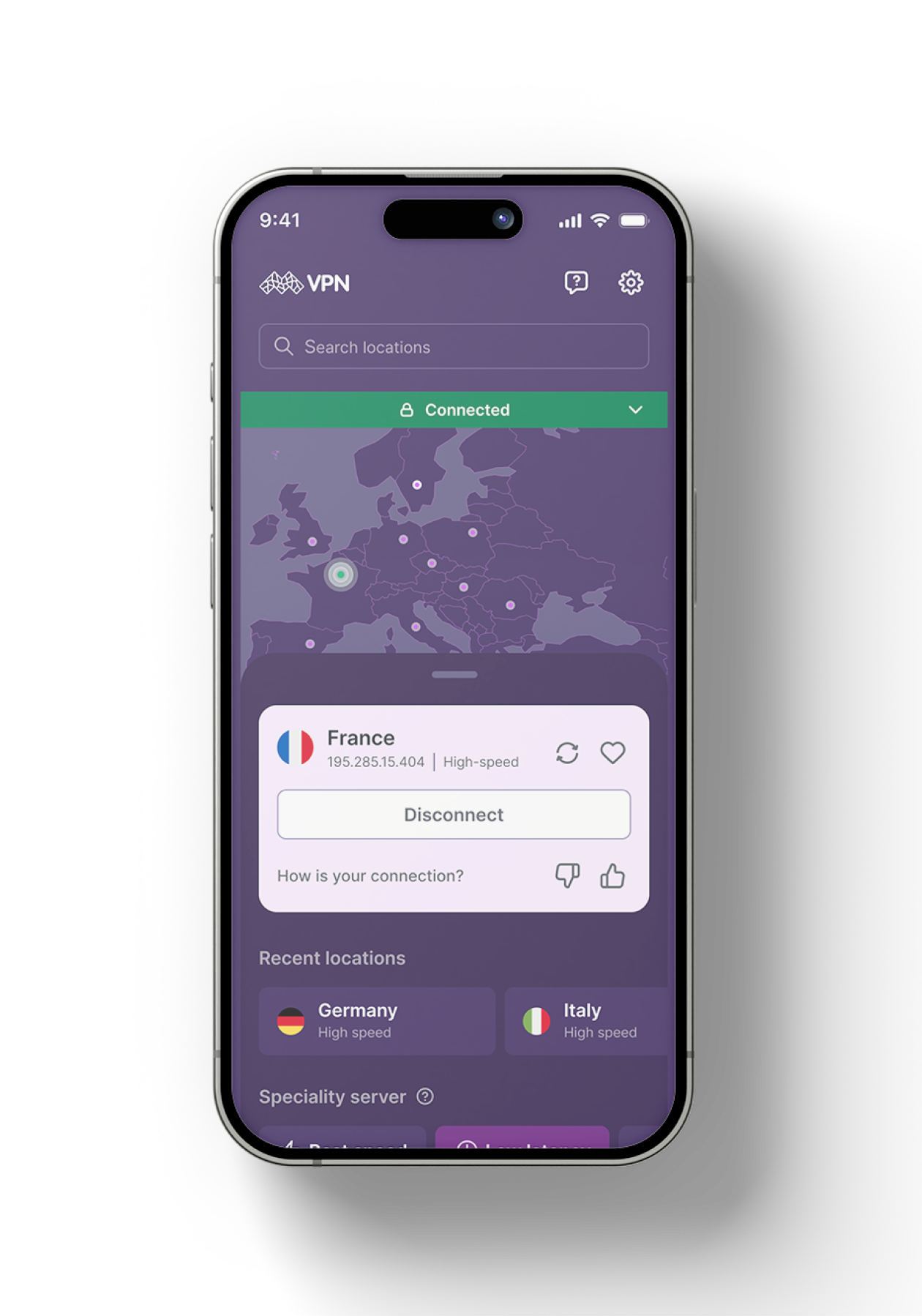
Get Mysterium VPN
Gintarė is a cybersecurity writer at Mysterium VPN, where she explores online privacy, VPN technology, and the latest digital threats in editorial pieces. With hands-on experience researching and writing about data protection and digital freedom, Gintarė makes complex security topics accessible and actionable.
Related Articles
.png)