UK Prime Minister Keir Starmer's "Child Safety" Plan Now Comes for VPNs


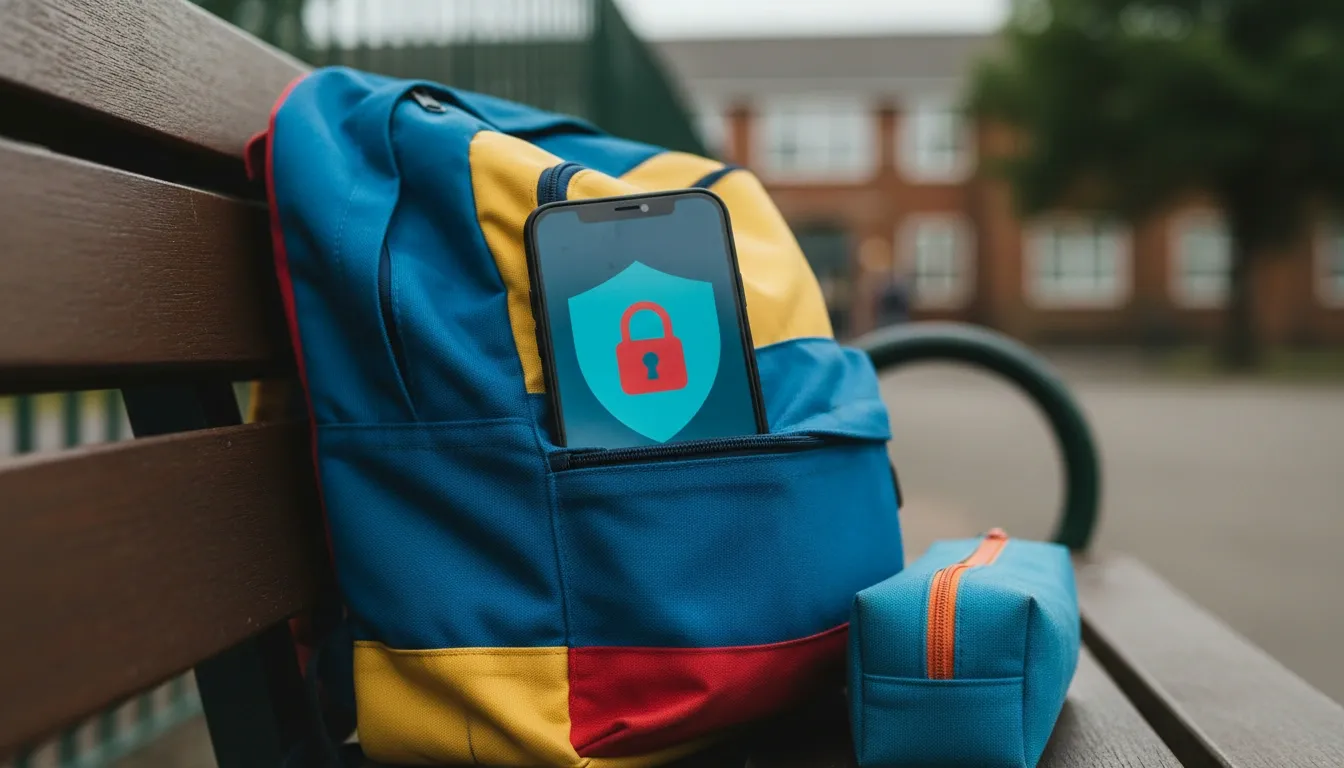
Governments love a good moral panic. And right now, children's online safety is the one giving UK politicians permission to do things they'd normally struggle to justify.
Following last month’s House of Lords push to restrict children’s VPN access, Prime Minister Keir Starmer announced a sweeping package of online safety measures on February 15. Buried inside it was one line about VPNs that should concern anyone who values digital privacy, and this time, the situation is much more real.
"Closing Loopholes" – What Starmer Actually Said
The announcement was framed around child safety: AI chatbots generating illegal content, infinite scrolling, and social media age limits. The VPN bit was covered in a single sentence: the government will examine "options to age restrict or limit children's VPN use where it undermines safety protections."
But don’t get fooled, because even though it’s only that single line, in reality, it carries real weight. A single line in a government press release is how things start. It signals intent, it tests public reaction, and it quietly lays the groundwork for what comes next.
The powers to act on this will be tabled as an amendment to the Children's Wellbeing and Schools Bill. A public consultation launches in March 2026, and once it concludes, the government says it can move "within months, rather than waiting years for new primary legislation." Starmer wants speed, and now he's engineering the legal machinery to get it.
The Reaction Split
Child protection groups were very supportive of this proposal, with NSPCC CEO Chris Sherwood saying it mirrors exactly what his organization has been pressing for. But while it’s all warm and sunny on the surface, it seems that most proponents ignore all that comes with such undercooked legislation.
Privacy advocates didn't wait for the consultation to weigh in. Silkie Carlo, director at Big Brother Watch, called the proposal "absolutely clueless, dangerous, and undemocratic" and warned it would put the UK in the same bracket as China, Russia, and North Korea. And she's right to say it because restricting VPN access is nothing more than a surveillance measure with better PR. There’s no need to sugarcoat it.
Of course, child protection groups welcomed it. The NSPCC's CEO said the proposals mirror exactly what his organization has been pressing for. But while it’s all warm and sunny on the surface, it seems that most proponents ignore all that comes with such undercooked legislation.
The "draconian crackdown" label is accurate. What's being proposed isn't targeted, surgical, or smart. It's a blunt instrument aimed at a tool used by millions of adults for entirely legitimate reasons, justified by the fact that some children use it to access content adults don't want them to see. That logic could justify banning pretty much anything.
But sure, why not wrap it in child safety, get the right organizations to endorse it, and frame anyone who objects as being against protecting kids? It's a rhetorical trap, and it unfortunately seems to work every time.
The Hidden Cost of "Keeping Kids Safe"
Here's the circular logic that nobody in Westminster seems to want to acknowledge. The Online Safety Act tightened age verification rules. VPN downloads in the UK surged as a direct result, as people, including kids, started using them to bypass verification. Now the government's response to that surge is to restrict VPNs. So the policy created the behavior, and the new policy punishes the tool.
But the problem is that what gets restricted here isn't just children accessing age-gated content. It's every teenager trying to use a school Wi-Fi that blocks half the internet. It's young people in abusive households using VPNs for safety. It's journalists protecting their safety and basically anyone who simply values their privacy and doesn't think their browsing habits are the government's business.
The consultation is supposed to gather evidence. Fine. But the government has already signaled which way it's leaning, and it's handed itself the legal tools to move fast once it gets there. Whether this ends as a full ban, an age verification requirement for VPN providers, or something else entirely, the UK just took another step toward treating privacy as a loophole to be closed.


Be part of the resistance, quietly.
Get Mysterium VPN
Dominykas is a technical writer with a mission to bring you information that will help you keep your digital privacy and security protected at all times. If there's knowledge that can help keep you safe online, Dominykas will be there to cover it.
Related Articles
.png)