US Congress Passed a Copyright Office Overhaul With No Debate and No Hearings


Key Takeaways
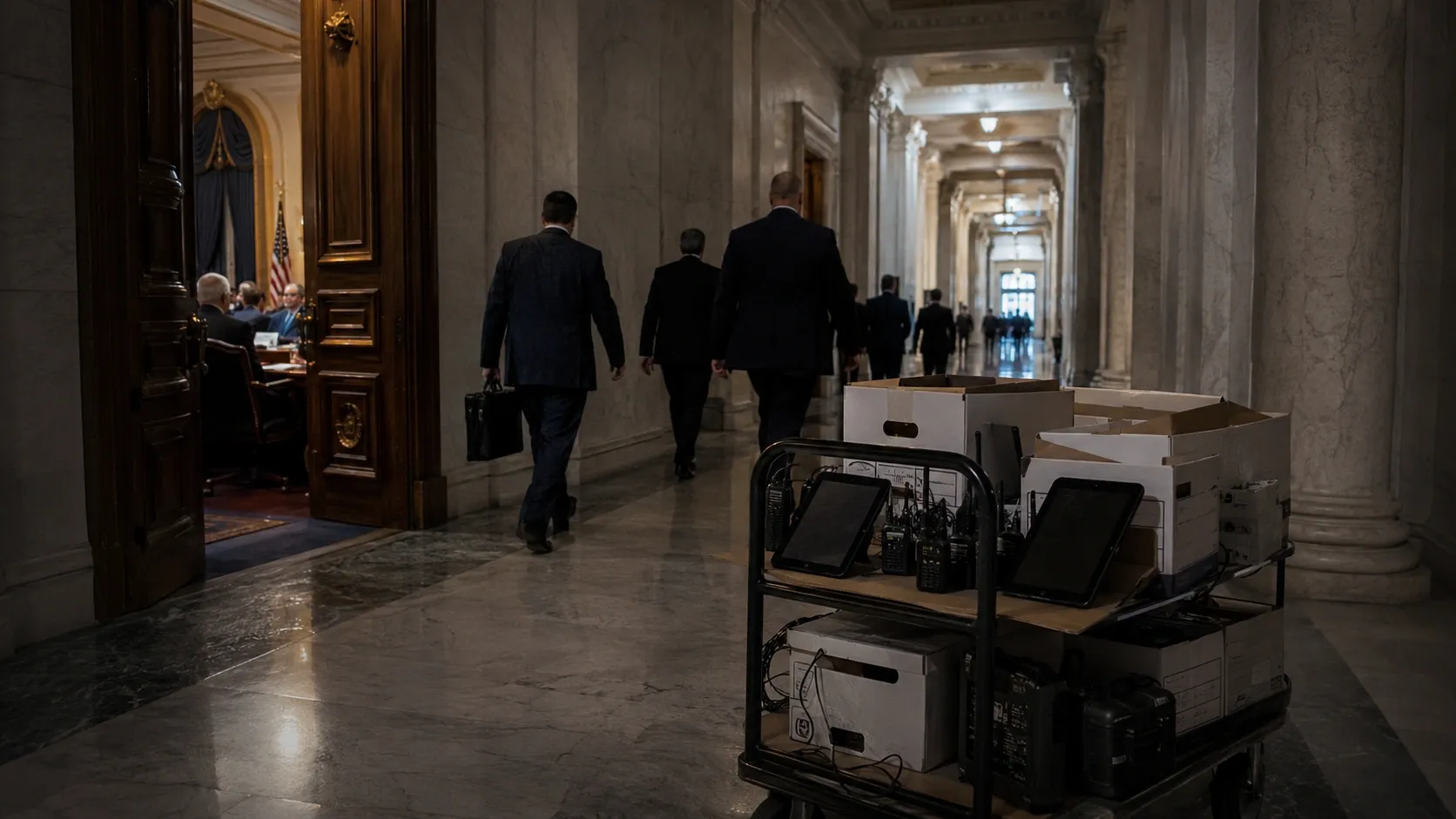
- The House passed H.R. 6028 in a voice vote on June 8, 2026, with no committee hearings, restructuring the US Copyright Office in ways that affect free expression, security research, libraries, and everyday internet users.
- The bill makes the Register of Copyrights a presidential appointee subject to Senate confirmation, ending a century-long arrangement in which the Register served under the Library of Congress.
- H.R. 6028 moves DMCA Section 1201 rulemaking authority from the Librarian of Congress to the Register, concentrating more power in a single political appointee.
- Digital rights groups, library organizations, and civil liberties coalitions formally urged Congress not to fast-track the legislation in March 2026, and Congress proceeded without responding to those concerns.
- The bill now goes to the Senate, which the Electronic Frontier Foundation and allied organizations are urging to reject it outright.
The Bill That Wasn't What It Said It Was
Congress called it the Legislative Branch Agencies Clarification Act. The framing from sponsor Rep. Morgan Griffith was "accountability, clarity, and good governance." The title suggests a tidy administrative cleanup. However, the actual contents of H.R. 6028 are considerably less tidy.
The bill removes the Library of Congress's current supervisory authority over the Copyright Office, transfers significant legal powers directly to the Register of Copyrights, and makes the Register a presidential appointee confirmed by the Senate. That last part turns a position that has existed inside the legislative branch for well over a century into something that will now be filled by whoever the current administration decides to nominate, shaped by whichever industry lobbies hardest during confirmation.
The Copyright Office was already far from a neutral body. It supported SOPA, one of the most destructive internet censorship proposals in US history. Its recent AI training report prioritized private licensing market solutions over fair use protections. Making it more political, not less, is the kind of decision that makes sense only if you are unconcerned about whose interests the office actually serves.
A Rulemaking Transfer Nobody Voted to Debate
The piece of H.R. 6028 that gets the least attention is also the most consequential for ordinary people online. DMCA Section 1201 rulemaking determines when the public may lawfully bypass digital locks for security research, device repair, accessibility work, and media preservation. These exemptions are not automatic and have to be argued for and renewed. The Electronic Frontier Foundation has used this process repeatedly to win protections that actually matter to researchers, librarians, and users.
H.R. 6028 moves that rulemaking authority from the Librarian of Congress to the Register of Copyrights, meaning it now sits under a politically appointed official rather than an institution with a preservation mandate. No hearings means no testimony from security researchers, educators, or the public on what that shift means in practice.
Meanwhile, the FCC's documented campaign of politically motivated regulatory pressure against broadcasters has already shown what happens when nominally independent oversight bodies get pulled into the political orbit of an administration. The Copyright Office is now set up for exactly that trajectory.
The Senate Is the Last Stop
Ranking Member Joe Morelle acknowledged on the House floor that the bill is imperfect and made clear his support rested on amendments that keep the Copyright Office formally inside the legislative branch and protect its workforce. That is a meaningful floor, but it does not address the core problem, which is that a presidentially appointed Register will respond to presidential priorities, regardless of which branch the office officially sits in.
The EFF, Public Knowledge, the Center for Democracy and Technology, and library groups submitted formal objections in March 2026, warning that the changes would harm the speech rights, educational opportunities, and creative freedoms of all Americans. Congress proceeded anyway.
The bill is now in the Senate. And, well, I'd say the Senate's willingness to apply any scrutiny at all to this is absolutely the only meaningful check left between a more independent Copyright Office and a fully politicized one. Griffith called it "accountability, clarity, and good governance." Changes of this scope deserve hearings, public testimony, and genuine debate. H.R. 6028 got none of that in the House, and the Senate should not let that pass without consequence.


Be part of the resistance, quietly.
Get Mysterium VPN
Dominykas is a technical writer with a mission to bring you information that will help you keep your digital privacy and security protected at all times. If there's knowledge that can help keep you safe online, Dominykas will be there to cover it.
Related Articles
.png)