World Refugee Day: Forced to Flee, Then Forced to Hand Over Every Digital Detail


This Friday, June 20, marks World Refugee Day, the United Nations-designated occasion to honor the strength and courage of people forced from their homes by conflict and persecution. And, you know, that part of it is genuinely worth taking seriously. There are organizations doing real, important work. There are millions of people who survived extraordinary danger and deserve recognition, support, and a fighting chance at rebuilding their lives. The solidarity being expressed this weekend is not empty, and I don't want to wave it away.
Yet, the governments leading those expressions of solidarity are many of the same ones building increasingly intrusive surveillance infrastructure around those same people. The UNHCR's Global Trends report, published just days ago, records 41.6 million refugees globally at the end of 2025, with 5.4 million people newly forced to flee during the year. Each of them, at some point, interacts with a border system that has been quietly and systematically turned into a data extraction machine.
Key Takeaways
- At the end of 2025, 41.6 million people were living as refugees globally, with 5.4 million newly displaced during the year, each entering a border system increasingly built on biometric surveillance.
- Governments frame it as "smart border" management, but the infrastructure involves mandatory biometric collection, phone searches, GPS ankle tags, and cross-border data-sharing agreements with few safeguards.
- The UK Home Office's GPS tagging of asylum seekers was found unlawful by the data protection regulator following a Privacy International complaint, yet the Border Security, Asylum and Immigration Act of December 2025 moves to mainstream electronic monitoring further.
- OHCHR has documented that surveillance technologies designed for migration control disproportionately affect migrants and refugees, who face a power imbalance that makes meaningful consent effectively impossible.
- Refugees rely on their phones as lifelines for family contact, route navigation, and documentation of persecution, making phone searches at borders a uniquely coercive form of data extraction.
The Border Doesn't End at the Border Anymore
The term "smart borders" has become the preferred framing among governments and migration management specialists for the tech infrastructure now deployed against people on the move. Access Now has documented in detail what that actually looks like on the ground, with biometric collection at every checkpoint, facial recognition requirements baked into asylum application processes, GPS location tracking, and cross-border data-sharing agreements that push migrant biometrics into the hands of foreign enforcement agencies, sometimes including governments with well-documented human rights violations.
The US system alone holds over 200 million people's biometric profiles in the IDENT database, accessible to both national and international enforcement agencies, with a forthcoming system called HART set to expand that to 270 million. El Salvador, a country operating under a state of exception that has enabled mass arbitrary detentions, is among the countries with agreements to share biometric data of people "planning" to travel, which dispenses with the presumption of innocence before anyone has done anything at all.
Meanwhile, the rhetoric is always about efficiency, safety, and humanitarian management. The practical outcome is a surveillance apparatus that follows displaced people before they arrive, throughout the processing stage, and long after they've been granted or denied protection. People crossing the Mexico-US border have had iris scans, fingerprints, and facial biometrics captured and fed into systems that can flag them for risk scores derived from criteria that enforcement agencies won't publicly explain. And the infrastructure keeps expanding, regardless of which administration is in charge.
GPS Tags and What the UK Case Proves About All of Them
The United Kingdom offers one of the most thoroughly documented examples of what this looks like in practice, partly because Privacy International decided to fight it. Since January 2021, the Home Office has been mandating that migrants released on immigration bail wear GPS ankle tags, generating continuous location data, referred to in the policy documents as "trail data," at regular intervals.
Trail data is not abstract. As Privacy International's analysis makes clear, it can reveal a person's religious beliefs, political affiliations, health concerns, and sexual orientation based on the locations they visit and when. The GPS records are also not always accurate, meaning incorrect data can be used to make life-altering decisions about people who have no meaningful way to challenge it.
In February 2024, the UK's data protection authority found the Home Office's GPS tagging of asylum seekers arriving via "irregular routes" was unlawful, following a formal complaint from Privacy International. The ICO identified systemic failures, including inadequate assessment of privacy intrusion, no real safeguards for people in vulnerable positions, and no proper mechanism for asylum seekers to even know how their data was being used.
And, well, almost nothing changed. The data collected during the unlawful expansion pilot remains accessible to the Home Office. Updated policy documents still permit access to full trail data with minimal justification. And the Border Security, Asylum and Immigration Act, passed in December 2025, moves to mainstream electronic monitoring further, largely voiding the ICO's findings in advance.
This is what surveillance infrastructure without accountability actually produces. The pattern is always the same: a formal ruling, a press release, and the same practices continuing under a new legal wrapper. And the goal? It’s the continuous monitoring of people who have the least capacity to object, and the legal framework catches up later or doesn't at all.
The Phone in Your Pocket and Why It Gets Searched
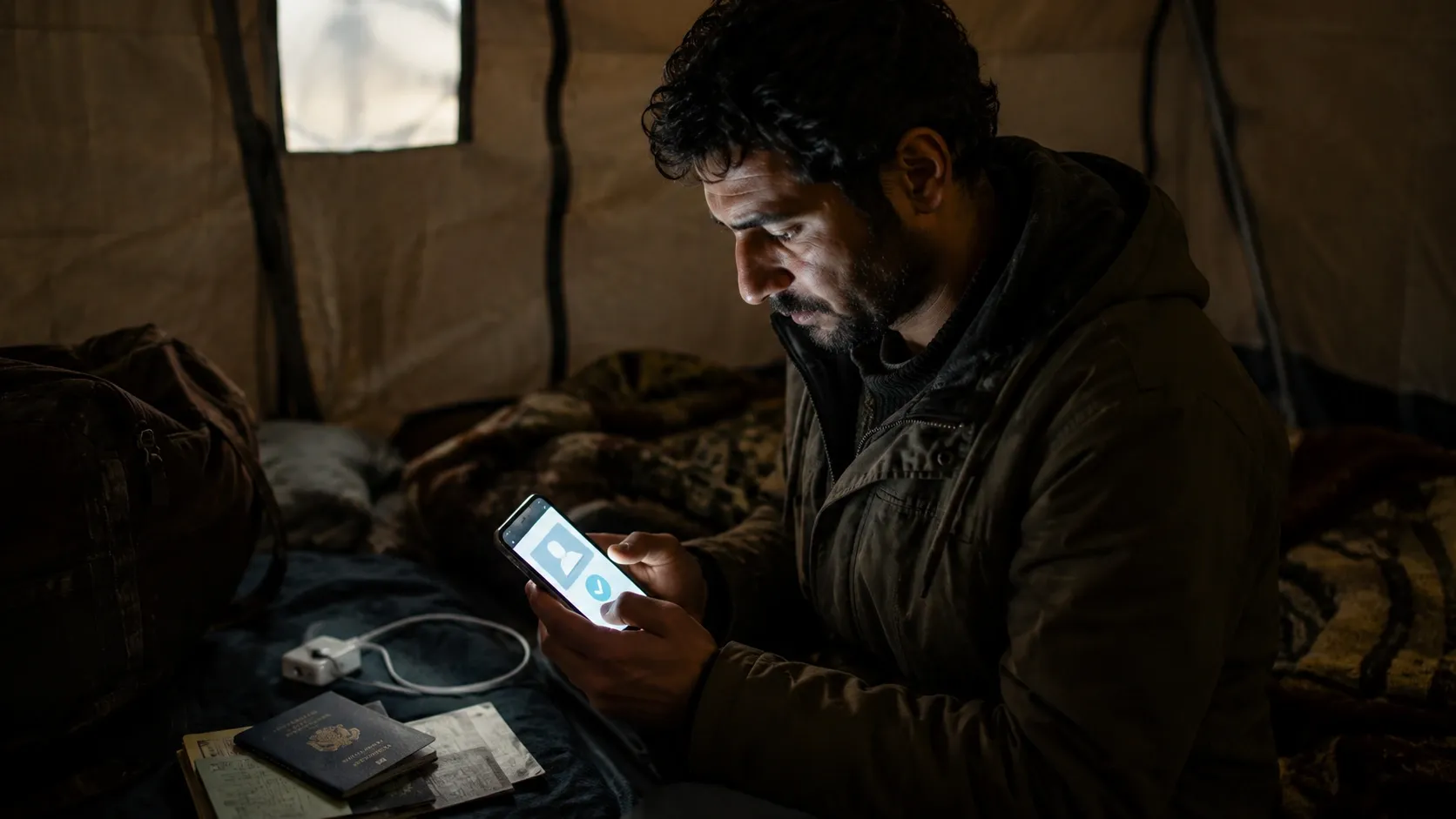
A refugee's phone is arguably the most valuable thing they carry, holding contact information for family members still in countries of origin, navigation data for the route taken, messages documenting the persecution they fled, and communication channels that, if exposed, can put people back home in danger.
Phone searches at borders extract all of this. OHCHR's work on the right to privacy in the digital age has established a three-part test under international human rights law for any interference with privacy to be legitimate, requiring that it be lawful, necessary, and proportionate. Mandatory phone searches of asylum seekers, with no warrant standard, no right of refusal without consequence for the asylum claim, and no meaningful deletion rights for the data extracted, fail that test on all three counts.
The specific cruelty of the situation is that a person cannot win. Deleting messages or contacts to protect family members in a country of origin raises suspicion at the border. Keeping those contacts risks exposing them to the very authorities the refugee was fleeing. The phone becomes a liability either way, and the data it contains flows into systems with few restrictions on how long it can be held or who can access it. This pattern is built into the architecture of how borders now process people.
What Solidarity Looks Like This Weekend
The work being done by UNHCR, by advocacy organizations, and by community groups hosting displaced people is, and it matters. UNHCR's High Commissioner put it clearly in this year's report, saying that humanitarian aid saves lives but does not enable refugees to become active agents in control of their futures. That is a genuinely honest assessment, and I mean it.
And yet, the governments posting tributes this weekend are also the ones GPS-tagging asylum seekers, feeding biometrics into databases shared with regimes that have no credible human rights record, and passing laws in late 2025 that explicitly expand electronic monitoring of people whose only crime was choosing to live.
The question I'd put to them is a simple one. If the standard they claim to uphold for refugees is solidarity and dignity, at what point does that standard extend to the data those same refugees are forced to surrender at the border? Because right now, the answer the infrastructure gives is that it absolutely does not.
So, happy World Refugee Day. The people it honors deserve considerably better than this.


Be part of the resistance, quietly.
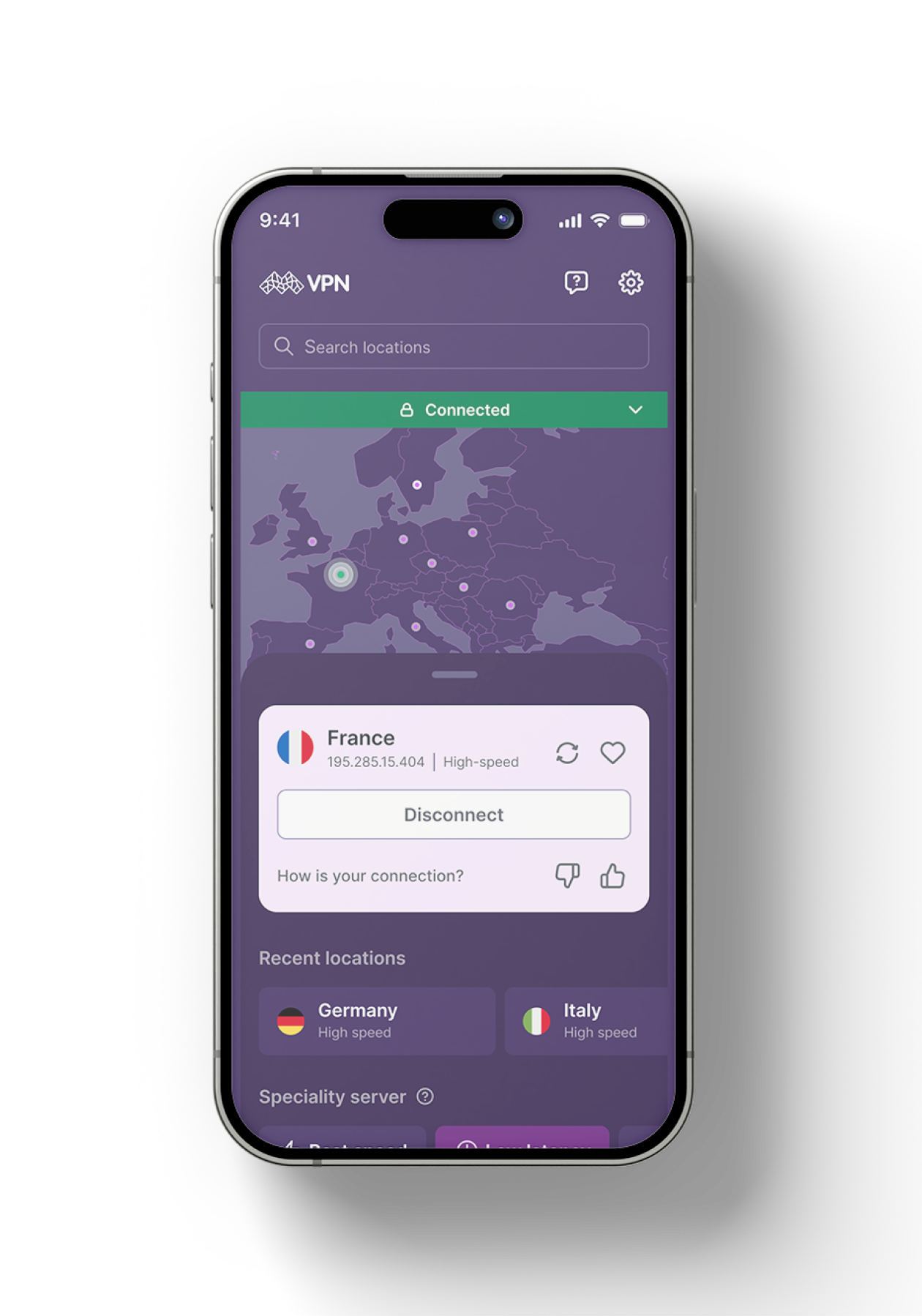
Get Mysterium VPN
Dominykas is a technical writer with a mission to bring you information that will help you keep your digital privacy and security protected at all times. If there's knowledge that can help keep you safe online, Dominykas will be there to cover it.
Related Articles
.png)