Spam Risk Call: What It Means and How to Protect Yourself



Key Takeaways
- “Spam Risk” calls are flagged by carriers as potentially fraudulent, but the system is not perfect and some dangerous calls may still get through.
- Unknown or “No Caller ID” calls often signal higher risk, as scammers may hide their identity to avoid detection and increase the chances you answer.
- Answering spam calls can make things worse, confirming your number is active, leading to more calls, potential charges, or even voice recordings used in future scams.
- Common spam tactics include robocalls, caller ID spoofing, bank impersonation, and technical support scams, all designed to pressure you into sharing sensitive information.
- The safest approach is prevention, including using carrier spam filters, enabling built-in phone blocking features, installing reputable call-blocking apps, and registering on the National Do Not Call Registry.
In today's digital age, many of us have encountered "Spam Risk" calls on our phones. These calls often come from unknown numbers and can be bothersome, interrupting our daily activities.
But what exactly are "Spam Risk" calls, and why should we be wary of them? In this blog post, we'll delve into the world of these suspicious calls and explore why they pose a threat to our safety and security.
What Is “Spam Risk”?
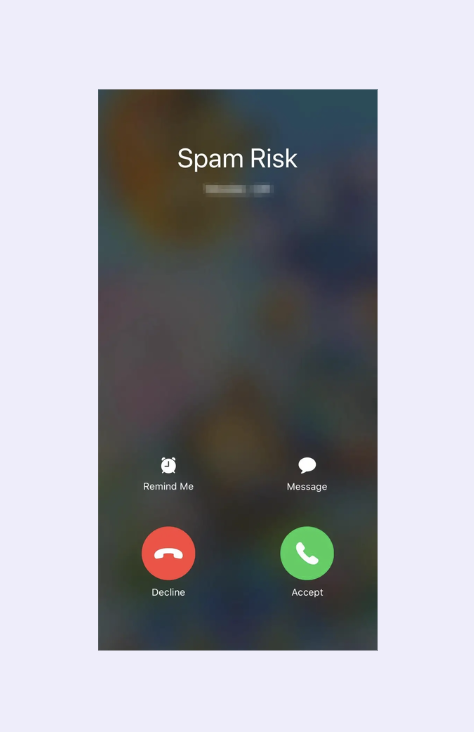
A "spam risk" is a call from a number flagged by your mobile carrier as a potential spam. These are typically unwanted calls from unknown callers who may have found your number through online searches or call detail records.
You can usually ignore such calls without consequences, but the system isn’t flawless. Some “spam risk” calls can go through to your mobile unflagged or all unknown callers can be marked as spam by your provider.
Be sure you take all the possible steps to protect yourself from dangerous spam callers just like you protect your data when browsing the internet. This way you’ll be able to use your phone carefree once again and never miss an important call.
Unknown Caller Meaning
An unknown caller means the person calling you has either hidden their caller ID or their number is not saved in your contacts.
In many cases, scammers deliberately block their numbers to avoid being identified or flagged by mobile carriers. They often use phone numbers collected from leaked databases or online sources to make unsolicited or malicious calls.
While not every unknown call is a scam, legitimate businesses and trusted contacts typically do not hide their caller ID. If a number is blocked or unfamiliar, it’s safer to be cautious and let the call go to voicemail.
Why Are No Caller ID Calls Dangerous?
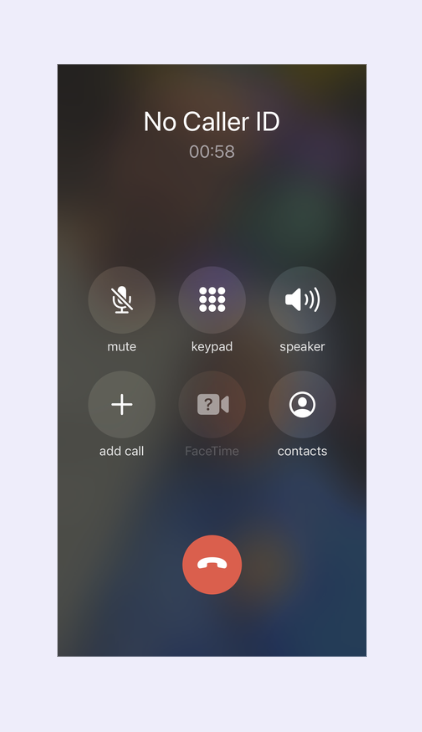
No Caller ID calls can be dangerous because the caller is deliberately hiding their identity. This makes it harder to verify who is contacting you and increases the risk that the call is fraudulent.
Scammers use blocked or hidden numbers to carry out social engineering attacks, pressure you into sharing personal information, or trick you into sending money. Some calls are silent to confirm that your number is active, while others may attempt to record your voice for future scams.
Here’s why answering calls from an unknown caller can be dangerous to you and your bank account:
It’s a Social Engineering Attack
Criminals can use any information you give them to hack your devices, drain your bank account, or even deceive your family members.
For example, a person pretends to be an employee of a bank and calls you to help you change your passcode claiming there was a cyber attack. If you give out your personal information it could lead to them emptying your bank account.
Also, criminals can just call to ask you very simple questions about your daily routine or life in general. As people often use their addresses or family/pet names as their passwords, such calls can lead to very bad consequences.
Your Voice Is Recorded for Future Phone Scams
If you answer a “spam risk” phone call or a call with no caller ID on the call screen, most likely your voice will be recorded. Criminals can then use AI technology to make your voice say anything they like.
For instance, they can pretend to be you and ask your loved one to borrow a large sum of money. If that person is very naive, they might just transfer the funds into the wrong hands.
So, not answering the call is the safest way to protect yourself from cyber crimes and phone scammers wishing you harm.
Common Types of Spam Calls
Spam calls aren’t all the same. Scammers use different tactics, from automated messages to impersonating trusted institutions, to trick people into sharing sensitive information. Here are the most common types you’re likely to encounter.
Robocalls
Automated, pre-recorded calls that deliver mass messages. While some are legitimate marketing calls, many are used for scams, fake offers, or phishing attempts at scale.
Neighbor Spoofing
Scammers manipulate caller ID to make it appear as though the call is coming from a local number or a trusted organization. This increases the likelihood that you’ll answer.
Phishing / Vishing (Voice Phishing)
Fraudulent calls designed to trick you into revealing sensitive information such as credit card details, login credentials, or personal identification numbers.
Government Impersonation Scams
Callers pretend to represent agencies like the IRS, Social Security Administration, or local law enforcement, often threatening fines or arrest to pressure immediate payment.
Bank or Customer Support Scams
Scammers pose as your bank or a financial institution, claiming suspicious activity on your account to trick you into sharing verification codes or login details.
Technical Support Scams
Fraudsters claim your device is infected with malware or has a serious issue, urging you to install software or pay for unnecessary “repairs.”
“I Answered a Spam Risk Call” – What Now?
If you’ve just answered a spam risk call but did not give out any valuable information, you still can be at risk. Responding to a spam call invites more hassle than it's worth, so don’t be tempted to answer your phone and see what happens. Here’s what happens when you answer a “spam risk” call:
- You receive even more spam calls. If you answer a phone call from an unknown caller who got your number from a leaked database, chances are that your number will be marked as “in use”. It means that you’ll be getting more calls from the phone number spammer in the future, as the criminals know a person is actively using this number.
- You get billed for overseas calls. Your spam caller might be calling from outside the US and you’ll have to pay the overseas charge if you answer that call. Think twice before you want to find out who’s on the other line or you’ll have to get that cash out.
- You waste your time. Yes, you might hear a voice on the other line, or you might just hear silence. Answering the “spam call” will do you more harm than declining. Don’t waste your time trying to catch the bad guys in the act.
Just like you don’t open spam emails – don’t answer “spam risk” calls. Also, don’t try to call them back. It will bring more hassle to your life and subject you to more future scam phone incoming calls that you want to avoid.
How Can I Check if a Number Is Spam?
It can be hard to tell if the call you’re receiving is a spam risk call. If you get a suspicious call but you can see the number of your caller you can try and find out who that number belongs to.
The easiest way to see if it’s a legit company calling you is to just google the number you see on your call screen. This way you’ll find out if it belongs to some organization because you’ll be given their “contact us” page as your search results.
Also, keep an eye out for overseas calls by reading the number carefully. The first 3 numbers will tell you which country this phone number belongs to. If you’re now waiting for a call from a foreign friend – don’t pick up the phone.
Prevention and Blocking of Spam Calls
Reducing spam calls requires a combination of carrier tools, phone settings, and proactive habits. Here are the most effective ways to prevent unwanted calls from reaching you.
Enable Carrier Protection Tools
Most major carriers offer built-in spam protection services. Examples include AT&T ActiveArmor, Verizon Call Filter, and T-Mobile Scam Shield. These tools can automatically detect and label suspicious calls before you answer.
Adjust Your Phone Settings
Both Android and iPhone devices include native spam filtering features.
- On Android, enable “Filter Spam Calls” in the Phone app settings.
- On iPhone, turn on “Silence Unknown Callers” to automatically send unfamiliar numbers to voicemail.
Keep in mind that you may occasionally miss legitimate calls, but important callers will usually leave a voicemail.
Use Third-Party Call Blocking Apps
If spam calls continue, consider installing a reputable call-blocking app such as Truecaller, RoboKiller, YouMail, or Hiya. These apps use updated spam databases and AI detection to identify and block suspicious numbers before they reach you.
Register on the Do Not Call List
Add your number to the National Do Not Call Registry at DoNotCall.gov. This free FTC service reduces legitimate telemarketing calls. While it will not stop scammers, it can significantly cut down on lawful marketing calls.
What Does It Mean to Screen a Call?
Screening a call means checking who is calling before deciding whether to answer. It involves looking at the caller ID or other information provided by your phone to determine if you want to take the call or let it go to voicemail.
Build a habit of always looking at the number before you answer the phone. This can help you avoid unnecessary overseas charges, keep your data safe, and protect you from repeated social engineering attempts from criminals.
Why Are “Spam Risk” Dangerous
To sum it up, "Spam Risk" calls represent a significant threat to our safety and security in the digital age. These calls, flagged by mobile carriers as potential spam or fraud, often come from unknown numbers of people who collect your personal information or get money.
By understanding the dangers posed by these calls and learning how to identify them, you can protect yourself and your loved ones from it ever getting out of hand. Even just answering such phone calls can subject you to being a victim of social engineering attacks and paying unreasonable charges.
So take extra safety measures to ensure your safety and protect your data from phone criminals. Download spam-blocking apps, enable built-in phone features, and register with the National Do Not Call Registry to fight of unwanted spam risk calls.
Learn about the risks and take steps to protect our privacy and security, reduce the dangers of these tricky calls, and enjoy peace of mind while you go about your day with a clean call history.


Reclaim the internet that took you at your word!
Get Mysterium VPN
Frequently Asked Questions
The Mysterium VPN editorial team is a group of writers and researchers dedicated to exploring the evolving world of cybersecurity, online privacy, and digital freedom. Drawing on industry expertise and the latest research, the team delivers insights, opinion pieces, and practical guidance to help readers stay safe online.
Related Articles
.png)