Key Takeaways
- KJR, a firm previously involved in testing Australia's own age-verification systems, created 50 trial accounts declaring the users were 16 and found none of nine major platforms asked for age proof.
- The accounts remain active across Instagram, Snapchat, TikTok, YouTube, and X, among others, with some receiving ads targeted at young audiences and one X account served adult content despite its declared age.
- Kick, an Australian live-streaming platform, was the only service among the ten covered by the law that required proof of age before allowing signup.
- Despite the eSafety Commissioner's confidence in platforms' technology, the government has already deleted 4.7 million suspected minor accounts, threatened legal action, and doubled maximum fines.
Fifty Fake Teenagers Walked Through Nine Open Doors
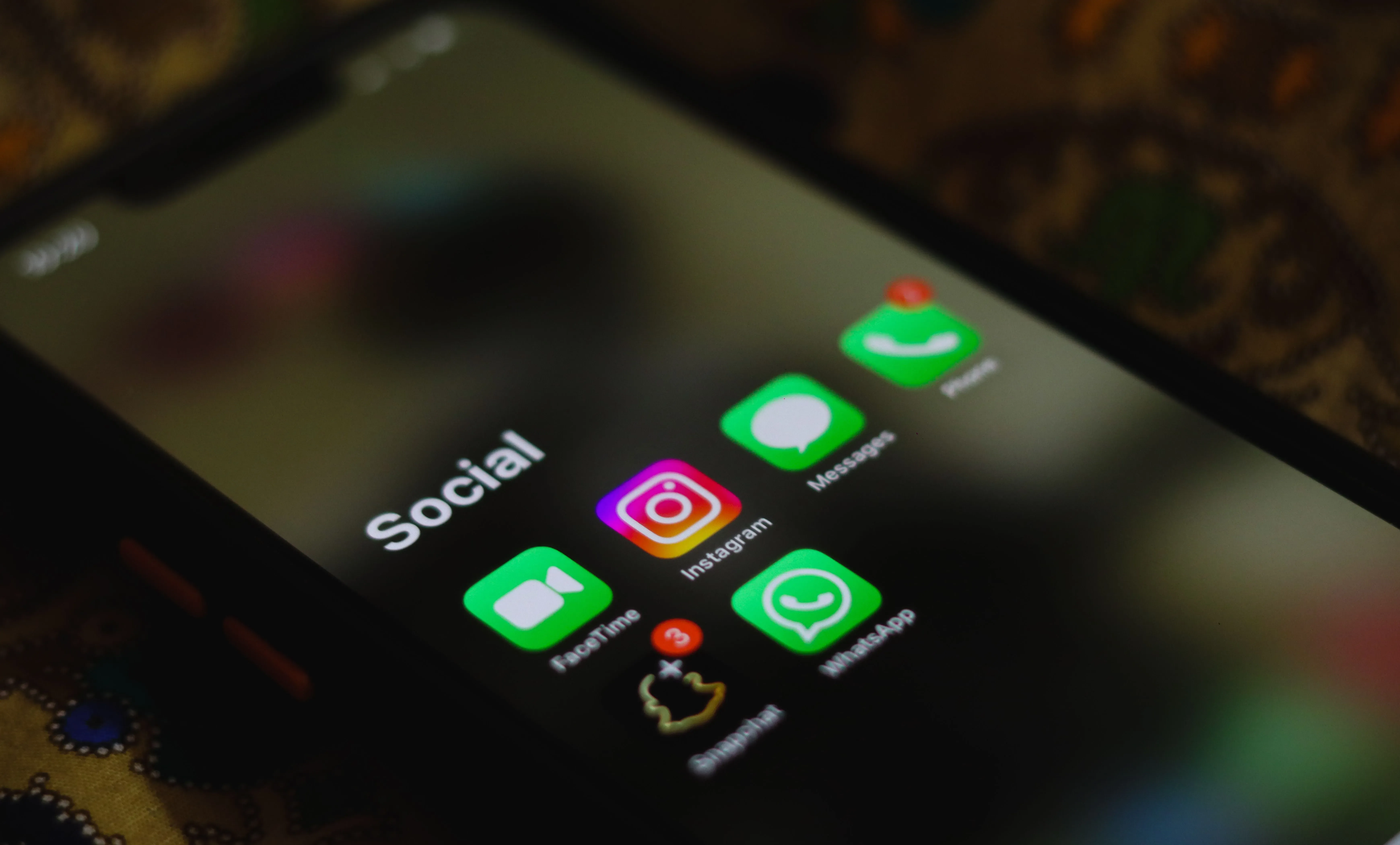
A team of testers at KJR who previously helped build and test Australia's own age-verification systems ran about as basic an experiment as you could design. They created 50 trial accounts across nine of the ten platforms covered by the country's under-16 social media ban, each one declaring the user was 16, the minimum age the law allows. Not one platform asked for proof.
KJR director Andrew Hammond said some of those accounts went on to receive advertisements targeted at young audiences, meaning the platforms could clearly estimate a user's age group and simply chose not to act on it. One account registered on X, meanwhile, was served adult content despite declaring itself to belong to a 16-year-old. And, well, that reads less like a technology gap and more like a choice dressed up as one.
This should surprise absolutely no one who watched the law launch. Within days of the ban taking effect in December, kids were already finding workarounds, some using VPNs, others simply logging into a parent's account, because the enforcement side of this law was never built to match the ambition of its headline.
The One Platform That Bothered Proves It Was Always a Choice
Kick was the exception. The Australian live-streaming platform was the only one of the ten covered by the law that required proof of age before allowing an account to be created at all. A Kick spokesperson explained that leaning on behavioral age estimation was not practical for a platform still building out its user data, so it verifies directly instead.
That is a smaller company with fewer resources choosing to actually check, while nine platforms with more user data and more money for compliance simply modeled who might be a teenager and let it slide. Meta said the results do not reflect its own policy, insisting that formal verification kicks in whenever an account is reported or a user's activity suggests they might be underage. Snapchat and TikTok declined to comment, and neither Google nor X responded to requests for comment.
Meanwhile, the identity-verification industry built to support these bans has a well-documented habit of falling apart once anyone actually pokes at it. Australia's eSafety Commissioner remains confident regardless, with a spokesperson saying the government believes age-restricted platforms already have the technology and resources needed to keep under-16 users out, and that a properly implemented multi-stage system is guaranteed to work.
None of that confidence squares with the government's own actions. Officials have already deleted 4.7 million suspected minor accounts in the law's first month, threatened legal action against five platforms back in March, and doubled the maximum fines just last month over what they called weak cooperation from the companies involved.
Some of the testers involved conceded the study did not simulate the most common way teenagers actually dodge these rules, which is simply typing in a fake birthdate. Fair concession, but it misses the point entirely. Nobody needs a fake birthdate when nobody is asked to prove the real one. Australia built the world's first account-level ban on minors using social media and somehow forgot to check anyone's age at the door, and until that changes, every fine, every deletion, and every confident statement from a regulator is paperwork attached to a system that was never actually switched on.


Be part of the resistance, quietly.
Get Mysterium VPN

Ina is an occasional contributor covering the strange and overlooked corners of the internet – surveillance, data grabs, and the invisible systems that know more about us than our friends do.
Related Articles
.png)