Australia’s New Online Age Checks: Awkward for Users, Risky for Privacy



Talking about adult content in official policy announcements always produces a strange kind of tension, not unlike a first date. Politicians try to sound serious and responsible. Regulators speak about “harmful material.” Meanwhile, everyone else reading the policy knows exactly what kind of websites are being discussed.
According to reporting from the BBC, Australia has now decided to tackle the topic head-on. Under new rules, Australians will soon have to prove they’re over 18 before accessing adult content websites, sexually explicit AI chatbots, and other adult material online. The changes are part of a broader push by the country’s online safety regulator to reduce children’s exposure to explicit, inappropriate content.
On paper, the idea seems straightforward: if minors can’t walk into adult stores or casinos and get what they want, they shouldn’t be able to access adult content online either. In practice, though, verifying people’s age online is rarely that simple, and this policy may reveal more than regulators intended.
The End of the “Yes, I’m 18” Button
For years, the internet’s approach to age verification has relied on an honor system. People visiting adult websites were typically met with a prompt asking them to confirm they were over 18. Most people know how that interaction usually goes.
Click the box. Continue browsing. No further questions. The internet politely takes your word for it, and everyone moves on. Australia’s new rules aim to replace that system with something far more revealing. Platforms hosting adult content will now need to take “meaningful steps” to verify users’ ages. Those steps could include facial recognition checks, handing in your government-issued IDs, or credit card verification.
In other words, proving you’re an adult may soon require the same kind of documentation you would use to open a bank account. Which raises an awkward but unavoidable question: how comfortable are people linking their identity to their late-night browsing habits?
After all, some things on the internet were never meant to come with a name tag.
Privacy Meets Embarrassment
Age verification systems require lots of data. There’s no technical way around that. If a platform needs to confirm that someone is over 18, it relies on some form of identifiable information, whether that’s your government-issued ID, a biometric facial scan, or payment details. Each of those methods involves collecting sensitive personal data.
For many users, that creates a uniquely uncomfortable situation. People understand why a bank might ask for identity documents. The same logic makes sense when applying for a loan or verifying a passport.
Handing over those same details to access adult websites, however, feels a bit different. People like keeping their online privacy fully concealed, particularly in the more intimate corners of the internet. For many people, the idea of submitting a passport scan just to watch adult content feels like bringing a driver’s licence to a very private party.
It’s not just about privacy. It’s about trust. Users must believe that their personal information will be stored securely, handled responsibly, and never leaked or misused. And when the activity being verified is something many people would rather keep private, that trust becomes much harder to build and maintain.
Will It Actually Work?
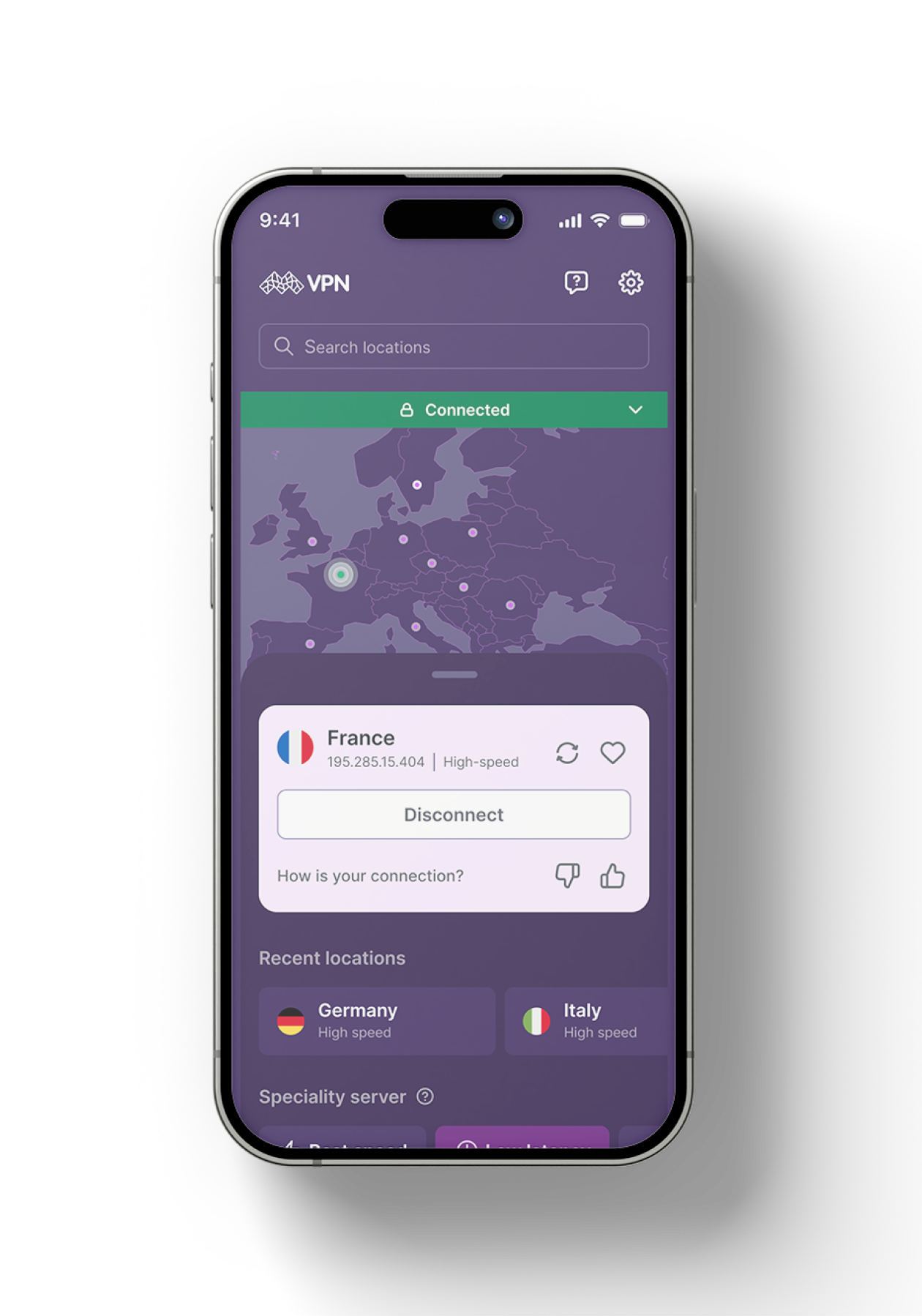
Even supporters of age verification acknowledge that the system won’t be foolproof. Researchers note that tech-savvy teenagers already know how to bypass many online restrictions. VPNs, borrowed IDs, shared devices, and alternative platforms can all provide easy workarounds.
In fact, some critics worry the policy could push curious teenagers into even darker corners of the internet, including unregulated overseas sites or private messaging platforms where age checks are minimal or nonexistent.
That doesn’t mean the policy is pointless. Stronger barriers may reduce children’s accidental exposure to explicit content, particularly for younger children who stumble across it unintentionally.
But the trade-off is clear: stricter controls for minors inevitably create new friction for adults. And in this case, that friction might involve handing over a surprising amount of personal data just to access perfectly legal content.
The Awkward Future of Age Checks
Australia isn't the first country to attempt this. Similar rules are emerging worldwide as governments try to regulate the internet world more like the physical world.
The challenge is that online spaces don’t work like physical ones. There’s no bouncer at the door. No cashier checking ID. Just software trying to determine who is sitting behind a screen.
The result is a growing digital infrastructure where people may need to prove who they are before accessing certain kinds of content. Sometimes that content is gambling. Sometimes it is social media. And sometimes it’s, well, exactly what you think it is.
Protecting children online is an important goal. But building a system where adults must routinely verify their identity to access legal content raises its own set of questions: about privacy, security, and how much of our online lives we’re willing to attach to our real-world identities.
The old system asked nicely if you were over 18. The new one may want receipts.


Be part of the resistance, quietly.
Get Mysterium VPN
Gintarė is a cybersecurity writer at Mysterium VPN, where she explores online privacy, VPN technology, and the latest digital threats in editorial pieces. With hands-on experience researching and writing about data protection and digital freedom, Gintarė makes complex security topics accessible and actionable.
Related Articles
.png)