- Blog >
- News >
- UK Wants to Ban VPNs to Stop Kids From Avoiding Social Media Bans: What You Need to Know
UK Wants to Ban VPNs to Stop Kids From Avoiding Social Media Bans: What You Need to Know


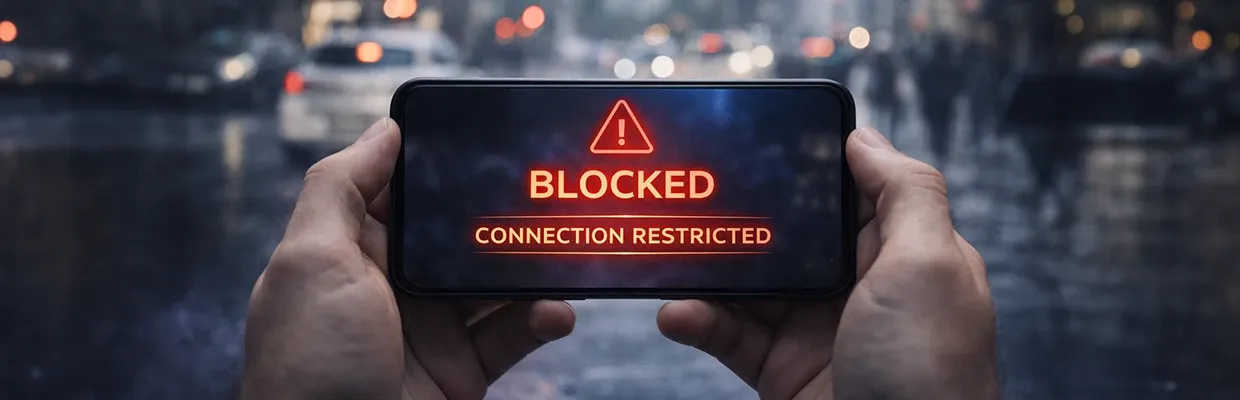
The UK government is now examining whether restricting VPN access could be the next step in enforcing online safety rules for children.
The proposal is part of a consultation launched by the Department for Science, Innovation and Technology (DSIT), which is asking the United Kingdom public, parents, and industry experts for their input on how children bypass age restrictions online. The consultation closes on May 26, after which the government will decide whether to ban VPNs.
At first glance, the goal seems straightforward: stop vulnerable minors from accessing platforms that have age limits. But buried inside the consultation is a much bigger question of whether restricting VPNs themselves could become part of that enforcement strategy. And that should get everyone’s attention.
The Government Is Looking at VPN Restrictions
According to the consultation documents, UK officials want to understand how children use tools such as VPNs to bypass age verification requirements introduced by the highly controversial 2023 UK Online Safety Act.
VPN usage in the UK surged after stricter age assurance measures came into force last year. Daily users reportedly jumped from around 650,000 to more than 1.4 million within weeks. That spike strongly suggests people were using VPNs to avoid new digital restrictions.
The government is now asking the public whether it should take steps to stop that.
Among the consultation questions are whether children’s access to VPNs should be restricted and whether everyone should be subject to age checks before using a VPN service. Officials are also asking what the wider consequences would be if VPN access were limited.
To its credit, the government acknowledges that VPNs serve legitimate purposes, particularly for privacy and online security. But the fact that restrictions are even being discussed shows how quickly tools designed to protect users can become targets of regulation.
And that’s where things start to get worrying.
VPNs Aren’t for Rule-Breaking Teens
For many people, VPNs are a basic part of cybersecurity hygiene. They protect internet traffic on public Wi-Fi. They protect users from tracking by ISPs, advertisers, and data brokers. They allow journalists, researchers, and activists to access information securely. Businesses rely on them every day to protect sensitive communications between employees and internal systems.
In short, VPNs exist to increase privacy and security online. Treating them primarily as loopholes teenagers use to bypass social media restrictions risks missing the bigger picture. Yes, some kids may use VPNs to get around age limits. But that doesn’t suddenly erase the legitimate reasons millions of adults rely on them.
When governments start restricting privacy tools to enforce other policies, the collateral damage will be significant. And history shows that once a technology is framed as a problem, it becomes easier to regulate away its benefits.
Speak Up Now
One detail matters here: the UK is still in the consultation phase. That means no decision has been made yet. The government is actively asking the public how VPN restrictions might affect them. This is the moment when feedback can still shape the outcome.
Once rules are written down and enforcement mechanisms are in place, reversing them becomes much harder. The temptation for many people is to ignore consultations like this. They sound technical and distant. But the implications are very real.
If VPNs become subject to age checks, restrictions, or other regulatory barriers, the impact will extend far beyond teenagers trying to access social media. It would affect anyone who values secure browsing, private communications, and basic control over their online footprint.
Protecting children online is clearly a good thing. But removing or disabling legitimate security tools for everyone else is an overbearing, blunt approach that risks creating more problems than it solves. VPNs aren’t just loopholes in a system. They’re one of the few practical, low-effort tools regular people can easily use to protect themselves online.
If policymakers are considering to ban them, then the public should be paying attention now, while the conversation is still open. Because one dialogue stops, and must-have privacy tools start disappearing in the name of safety, getting them back isn’t easy.


Be part of the resistance, quietly.
Get Mysterium VPN
Gintarė is a cybersecurity writer at Mysterium VPN, where she explores online privacy, VPN technology, and the latest digital threats in editorial pieces. With hands-on experience researching and writing about data protection and digital freedom, Gintarė makes complex security topics accessible and actionable.
Related Articles
.png)