Cannes 2026 Celebrates World Cinema From Behind a Licensing Paywall



Tomorrow, the 79th Festival de Cannes opens on the Croisette. For twelve days, the Palais des Festivals becomes the closest thing cinema has to a genuine world stage, with directors from Japan, Iran, Spain, Romania, Austria, and Russia competing for the Palme d'Or. That is genuinely worth something. The diversity of the lineup, the prestige attached to winning, the sheer fact that a film shot in Bucharest or Tehran can be the most important thing in the world for two weeks in May. All of that is real, and I mean it sincerely.
The problem is that most of the world will not be able to watch what gets celebrated there, at least not legally, and not for a very long time. What premieres on the Croisette this month will sit behind theatrical windows, licensing gaps, and government firewalls for months or years before reaching global audiences. In some markets, it will never arrive at all.
Key Takeaways
- The 79th Cannes Film Festival opens May 12, 2026, but territorial licensing, geo-blocking, and streaming platform politics keep most global audiences from accessing the films it celebrates.
- Netflix has been effectively shut out of Cannes Competition since 2017 because France requires all competition films to observe a theatrical window before streaming, up to 17 months for most platforms.
- Major streamers including Netflix, Amazon, Apple, and Disney went from nine speaker slots at the Marché du Film in 2024 to just one in 2026, signaling a deepening rupture between the festival world and platform economics.
- Where government censorship overlaps with territorial blocking, audiences do not just miss a film. They lose access to the cultural conversation entirely.
The Streaming Wars Arrived at Cannes and Left a Mess Behind
Netflix has not had a film in the Cannes Competition since 2017. That absence is not accidental. It is the direct result of France's theatrical window rules, which require all competition films to commit to a French theatrical release before streaming. French law imposes a window of up to 36 months between theatrical and streaming release, though Netflix negotiated that down to 15 months under an investment deal requiring it to spend roughly €50 million per year on French theatrical films. Most other global streamers face a 17-month wait.
Netflix's position has always been that asking its subscribers to wait over a year for content they pay for monthly is untenable. Cannes' position is that a film with no guaranteed theatrical release has no business competing for cinema's highest prize. In April 2025, Netflix lodged an appeal to France's Council of State, arguing the window is unfair given the scale of its French investment. The Council has not yet ruled, and in the meantime, the standoff continues.
The industry has largely stopped trying to resolve it. At the Marché du Film, the business side of Cannes, major streamers went from nine speaker slots in 2024 to a single one in 2026. Netflix, Amazon, Apple, and Disney have collectively stopped showing up to make their case. Whatever negotiation was happening, it has stalled into something closer to mutual withdrawal.
That matters beyond the France-versus-Silicon-Valley framing. When the platforms that distribute most of the world's filmed content disengage from the conversation about how that content should reach audiences, the people who lose out are not the studios or the streamers. They are the viewers who would otherwise have had access.
Your Zip Code Is Your Streaming Library
The theatrical window dispute is the most visible version of a much older problem. Studios sell distribution rights on a territory-by-territory basis, which means a Palme d'Or winner may be licensed to one platform in the US, a different one in Germany, and no distributor at all in Nigeria, Thailand, or most of Latin America. The film exists. The audience exists. The licensing agreement does not, and so the viewers in those areas are simply disregarded.
EU portability rules allow subscribers to access their home streaming service while traveling within the EU, but they do not grant cross-border catalog access. A French subscriber in Berlin can watch French-licensed content, but a German subscriber cannot access the same titles just because they live two hours away. Even inside a single regulatory bloc, territorial gaps persist.
What this produces, in practice, is a patchwork where the same celebrated film is simultaneously available on three different platforms in three different countries, on none at all in a fourth, and technically accessible everywhere via VPNs and similar tools that carry their own complications depending on where you live.
Simply put, the territorial licensing model was designed for physical distribution in an era of VHS and regional DVD releases. Applying it to a global streaming internet in 2026 is, to put it generously, a system that has outlived its logic.
A film premiering at Cannes this week may not reach a streaming platform in its country of origin for 15 to 17 months. In markets without a distributor deal, the wait is indefinite. And if a government decides that particular film is politically inconvenient, the wait becomes permanent.
When Governments Join the Blockade
Netflix has published a transparency report listing content it has removed at government request. The cases include an episode of "Patriot Act with Hasan Minhaj" pulled from Saudi Arabia, Stanley Kubrick's "Full Metal Jacket" removed from Netflix in Vietnam, and multiple titles restricted in Singapore. The company states those nine removals represent the only times it has complied with government censorship demands since 2007. Whether that count is complete is a different question, but even at face value, it illustrates that platform access can be revoked by a single administrative order.
Russia blocked YouTube entirely in February 2026, cutting off an enormous archive of film, documentary, and cultural content for 144 million people. The block followed years of escalating fines against Google, a dispute rooted in YouTube's removal of Russian state media channels after the invasion of Ukraine, and a years-long deterioration in the relationship between the platform and Russian authorities. For anyone in Russia who wants to watch a Cannes title that ends up on YouTube, a VPN is now the only option in a country where VPN restrictions are themselves tightening terribly.
Territorial licensing creates gaps. Government censorship fills those gaps with something harder than mere absence. Sure, getting Mysterium VPN (with 78% off now) does solve part of the problem. But it really is an absurd problem that has no reason to exist in the first place, and it should’ve been dealt with a long time ago.
The Red Carpet Does Not Reach Most of the World
Cannes' insistence on theatrical-first distribution is worth defending, and I mean that without irony. The argument that a film committed to a single day on Netflix and then buried in an algorithm is not meaningfully the same object as a film given a real theatrical run is a serious one. Protecting that distinction protects something genuine about what cinema is.
And yet the festival spends twelve days celebrating world cinema for 35,000 credentialed professionals on the French Riviera while the rest of the world waits behind licensing agreements, windowing rules, and state firewalls of varying permanence.
If the film industry wants to argue that cinema is a public good rather than a luxury product distributed to whoever happens to live in the right territory with the right streaming subscription and the right government, it owes the rest of the world a more coherent answer than "wait 17 months and hope a distributor finds you." The films being celebrated at Cannes this week are, by any measure, the best argument the industry has for its own importance. Keeping most of the world from watching them is a strange way to make that case.


Be part of the resistance, quietly.
Get Mysterium VPN
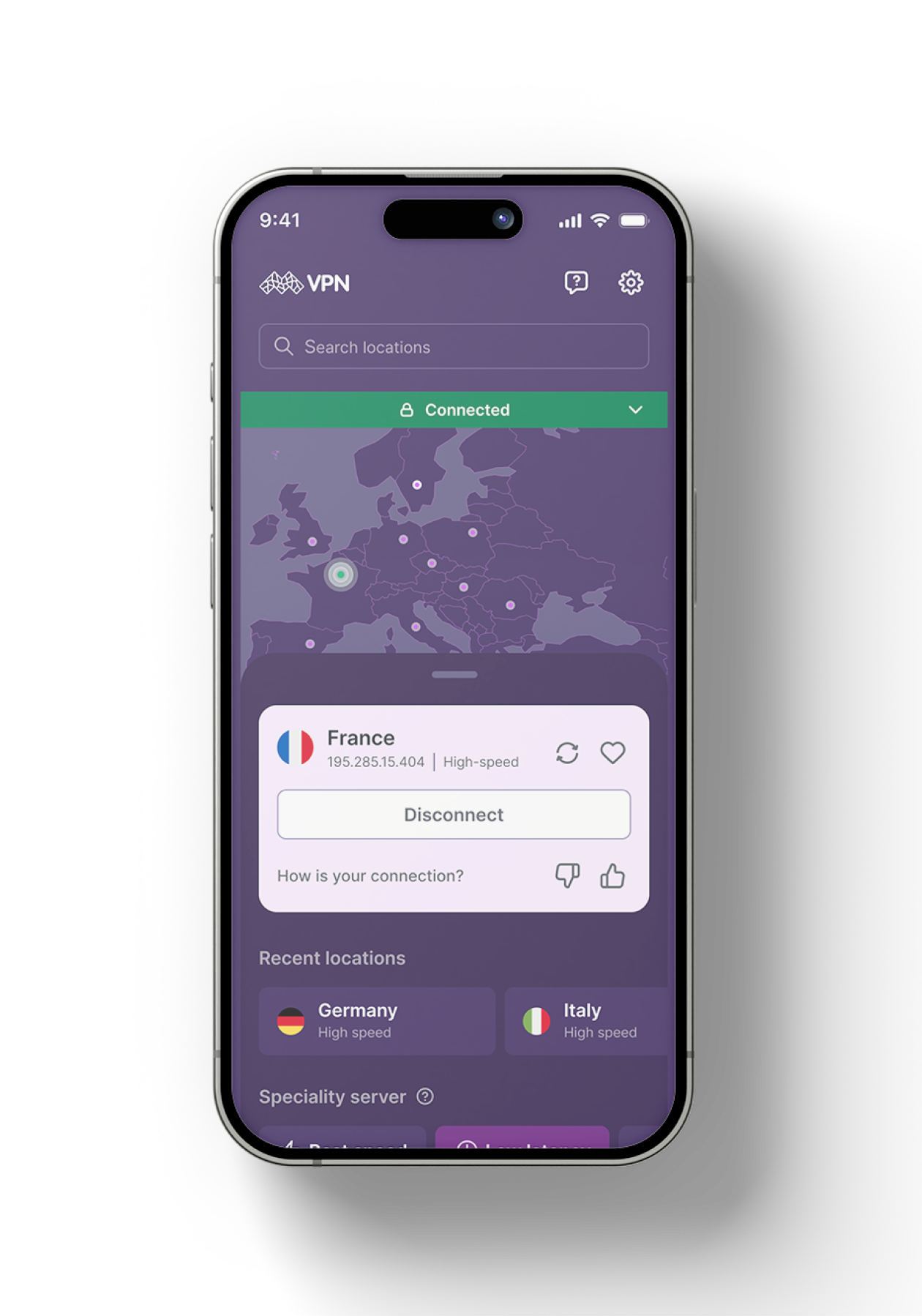
Dominykas is a technical writer with a mission to bring you information that will help you keep your digital privacy and security protected at all times. If there's knowledge that can help keep you safe online, Dominykas will be there to cover it.
Related Articles
.png)