Congo Cuts Internet During Presidential Elections and Calls It Democracy


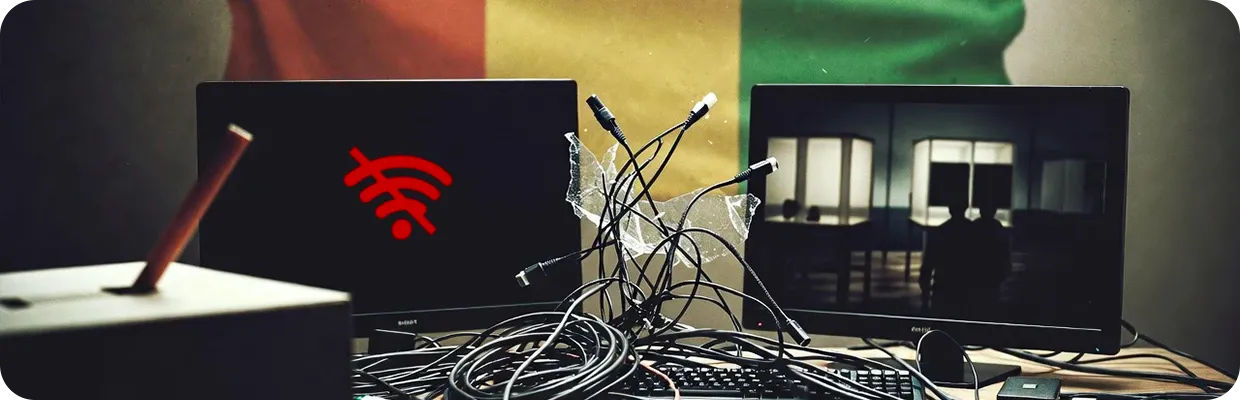
Holding an election while cutting off the internet is a bit like holding a trial while gagging the witnesses. It’s like a scripted show, where the fate has long since been decided, and governments that do this know exactly what they’re playing at.
On March 15, 2026, as voters in the Republic of Congo headed to the polls for a presidential election, NetBlocks confirmed a nation-scale internet blackout was in effect across the country. Incumbent President Denis Sassou Nguesso, 82, was seeking yet another term against a field of six largely unknown challengers, with two of the country's most prominent opposition leaders sitting in prison and others in exile. Several opposition parties had already boycotted the vote, calling it a process without credibility.
An Election Whose Outcome Was Written Before Voting Began
The blackout did not come out of nowhere. A near-total internet shutdown was recorded during Congo's 2021 presidential election, lasting approximately three days, and a similar blackout was imposed during the 2016 vote. Sassou Nguesso won both of those elections comfortably, and the pattern here is consistent enough that calling it a coincidence would require a spectacular effort of self-deception.
Sassou Nguesso first took power in 1979, lost the 1992 election, went into exile in France, and returned in 1997 to seize power again. He has governed the country for the better part of four decades. In 2021, he won with 88.4% of the vote in an election that observers described as lacking transparency.
With rights groups documenting a narrowing political space, arrests of activists, and suspensions of opposition parties, the conditions going into this vote were not what anyone would call a level playing field. As one Brazzaville resident put it ahead of the vote, this is an election whose outcome is known in advance.
Congo Is Not Doing Anything New, and That Is the Problem
Election-day internet shutdowns are not a Congo-specific invention. They are a documented, repeating tactic used by governments across the African continent when they want to limit what citizens can share, see, or coordinate during a vote. Gabon imposed a blackout during its 2023 elections before a military coup removed the ruling government days later. Guinea, Burundi, and Mali have all run similar playbooks during their own electoral moments, too.
The rationale governments reach for is always some variation of preventing misinformation or protecting stability. What it actually prevents is the circulation of real-time information about voting irregularities, independent tallies, and citizen documentation of what is happening at polling stations.
And it does not even take an election to get there. Some governments in the region have shown they are perfectly willing to cut social media access for reasons far less significant, which tells you everything about how they view the internet as a tool of control rather than communication.
At this point, the pattern is clear enough, and only the most ignorant could still believe this is anything but censorship. A government that cuts the internet on election day is worried about information, not misinformation.
A Playbook With No Accountability Attached
NetBlocks director Alp Toker confirmed the blackout was a measure likely to limit transparency during the election. That is a measured, professional way of saying what everyone already understands. Transparency was never the goal.
What makes this cycle so durable is that there are almost no consequences for running it. Sassou Nguesso has now overseen internet blackouts across three consecutive elections and remained in power through all of them. The international response has not shifted that calculus in any meaningful way.
And if an 82-year-old ruler who first took power in 1979 can cut his country's internet on voting day and face nothing beyond a press statement, there is no reason to expect the next government in the region to think twice before doing the same. That should concern all of us far more than any individual election result does because such things are like a disease, and they’re bound to spread when untreated.


Be part of the resistance, quietly.
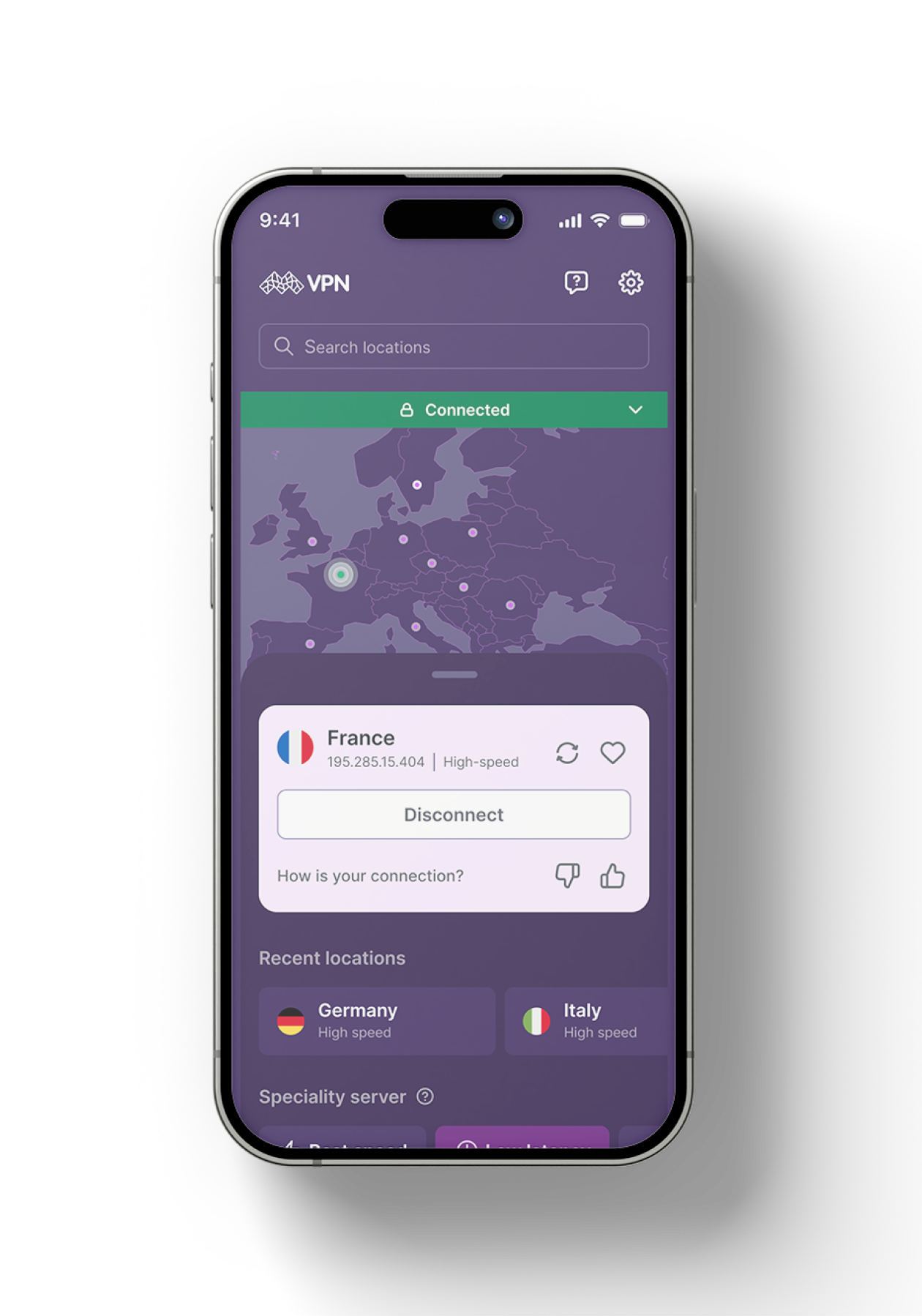
Get Mysterium VPN
Dominykas is a technical writer with a mission to bring you information that will help you keep your digital privacy and security protected at all times. If there's knowledge that can help keep you safe online, Dominykas will be there to cover it.
Related Articles
.png)