The EU Is Moving Toward a Teen Social Media Ban Built on Contested Research


Key Takeaways
- European Commission President Ursula von der Leyen said at a Copenhagen summit on May 12 that the EU could propose an EU-wide social media delay for minors as early as this summer.
- Ten EU member states, including France, Spain, Greece, and Denmark, are already pushing for or implementing minimum-age restrictions on social media.
- The Commission unveiled a new age verification app at the same summit, built on the EU COVID certificate architecture, and praised it as meeting the highest privacy standards in the world.
- Independent researchers at UC Irvine, Brown University, and NYU have documented that the evidence linking social media to youth mental health harm is mixed, contested, and insufficient to justify blanket bans.
- A study of 100,000 adolescents found moderate social media use correlates with the best well-being outcomes, not the worst.
Brussels Has a Teen Social Media Law Ready for Summer
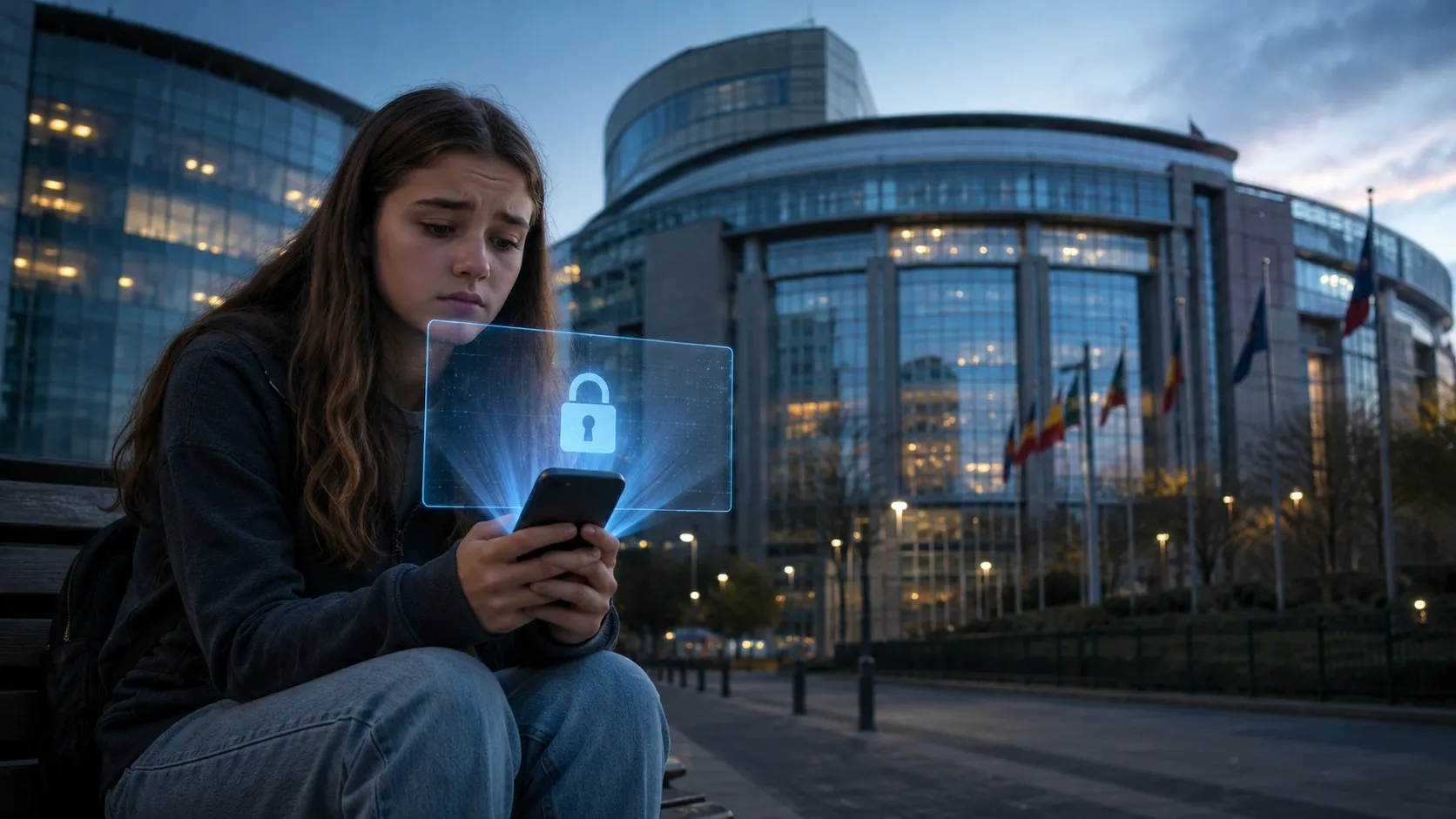
On May 12, speaking at the European Summit on Artificial Intelligence and Children in Copenhagen, European Commission President Ursula von der Leyen called for a "social media delay" for minors and said a legal proposal could arrive as early as this summer, pending recommendations from an expert panel on child safety online. Ten EU member states, including France, Spain, Greece, and Denmark, are already pushing for or implementing their own minimum-age restrictions, with France's under-15 ban due in September 2026.
The Commission also announced a new EU age verification app in April, which would be used together with this plan, built on the European Digital Identity Wallet framework, describing it as meeting the highest privacy standards in the world. That app was notoriously bypassed in under two minutes using a standard file explorer, within days of the original announcement. The Commission patched it, but the gap between "highest privacy standards in the world" and a two-minute bypass is not a technical footnote to ignore.
Addictive by Design, Regulated by Blocking the Users
To be clear about what is not being argued here: social media platforms have real and serious problems. Recommendation algorithms are engineered to maximize engagement at the expense of everything else, extreme content gets amplified because outrage drives retention, and AI-generated material is making both worse at scale. Von der Leyen named all of this correctly in Copenhagen. The problem is the conclusion she drew from it.
Locking teenagers out of platforms does not change how those platforms function. The algorithms keep running, the engagement pipelines keep optimizing, and the business model stays intact. Estonia, one of only two EU member states to reject the Jutland Declaration on social media age restrictions, made exactly this argument: its Justice and Digital Affairs Minister said the rules already exist and platforms simply aren't following them, with enforcement being the actual problem rather than missing legislation.
The DSA already gives the Commission the tools to pursue TikTok for addictive design and Meta for ignoring its own under-13 minimum, and both cases are open. A new law that puts identity verification infrastructure on teenagers is not the logical next step from that. It is a way to look like action is being taken without touching the business model.
The Science Governments Keep Pretending Is Settled
The political momentum for these bans traces largely to Jonathan Haidt's "great rewiring" thesis, featured on Oprah's, Joe Rogan's, and Michelle Obama's podcasts and cited 20 times in California's social media ban committee analysis. The narrative is compelling: smartphones rewired the adolescent brain, social media is the primary driver of a global youth mental health crisis, and therefore, it must be banned. Yet, the broader scientific community does not agree.
Independent researchers at institutions including UC Irvine, Brown University, and NYU have found the evidence mixed, contradictory, and statistically unreliable. Large-scale meta-analyses across dozens of countries have failed to find a consistent association between social media rollout and declining well-being. Prof. Candice Odgers has explained the selection effect legislators routinely ignore: young people who already have mental health problems use social media differently from their healthy peers, with no evidence the platforms caused those problems.
A study of 100,000 adolescents published in JAMA Pediatrics found a U-shaped curve, with moderate use associated with the best well-being outcomes and both no use and the highest use tracking poorer outcomes. The studies underpinning these bans also strip out alternative explanations for rising teen anxiety, from pandemic-era isolation to economic stress to the persistent threat of school gun violence.
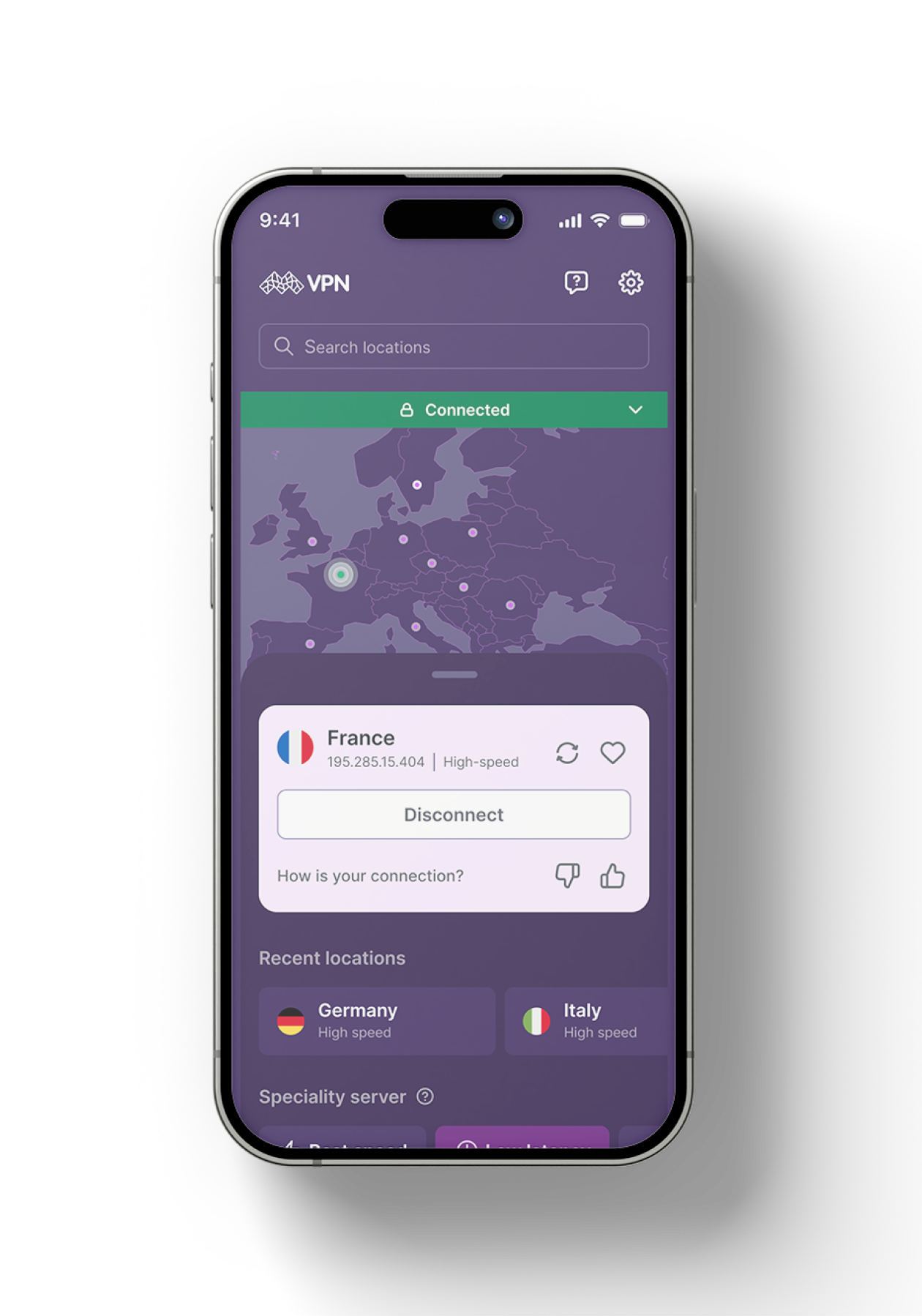
But, of course, just like with all these other bans, the lawmakers don’t seem to care much for the facts and finding some actual solutions instead of passing blanket bans. So, when age verification walls go up across Europe this summer, I strongly suggest anyone wanting to keep their privacy protected to get Mysterium VPN (with 78% off now), because the platforms will still be there, the data pipelines will still be running, and the only thing that will have changed is that ordinary users have one more identity checkpoint to route around.


Be part of the resistance, quietly.
Get Mysterium VPN
Dominykas is a technical writer with a mission to bring you information that will help you keep your digital privacy and security protected at all times. If there's knowledge that can help keep you safe online, Dominykas will be there to cover it.
Related Articles
.png)