France Goes Full Nanny State: Under-15 Social Media Ban Incoming


Despite how cool France’s President Emmanuel Macron may look in his aviator glasses, his newest political agenda is anything but – the French are following Australia’s lead as the country’s lawmakers have passed a bill yesterday (voting 116-23 in its favour) that would ban the country’s under-15s from social media, as well as outright banning phones in French high schools (where student age range from 16 to 18 years old, funnily enough).
The Ban
France’s National Assembly passed the bill in an overnight session by a wide margin, sending it next to the Senate. If approved (and all signs point to yes), social media platforms like TikTok, Instagram, and Snapchat, all beloved by teenagers, would be outright off-limits to kids younger than 15. Macron has already called the vote a “major step” and is pushing for the law to take effect as early as the next school year, starting in September 2026.
The basis for the ban is that social media is bad for kids’ mental health, their attention spans, their emotional development, and, apparently, the future of the Republic itself. Macron has said France can’t leave the mental and emotional health of children “in the hands of people whose sole purpose is to make money out of them, and supporters of the bill argue that social networks are inherently harmful rather than neutral tools.
Under the proposed law, France’s media regulator would create a list of “harmful” social media platforms that minors under 15 would be banned from using entirely. A second list of (supposedly) less harmful services could still be accessed, but only with explicit parental approval. Meanwhile, mobile phones would be banned in high schools – despite a part of those students being legally old enough to drive, drink, or have a job.
The Catch
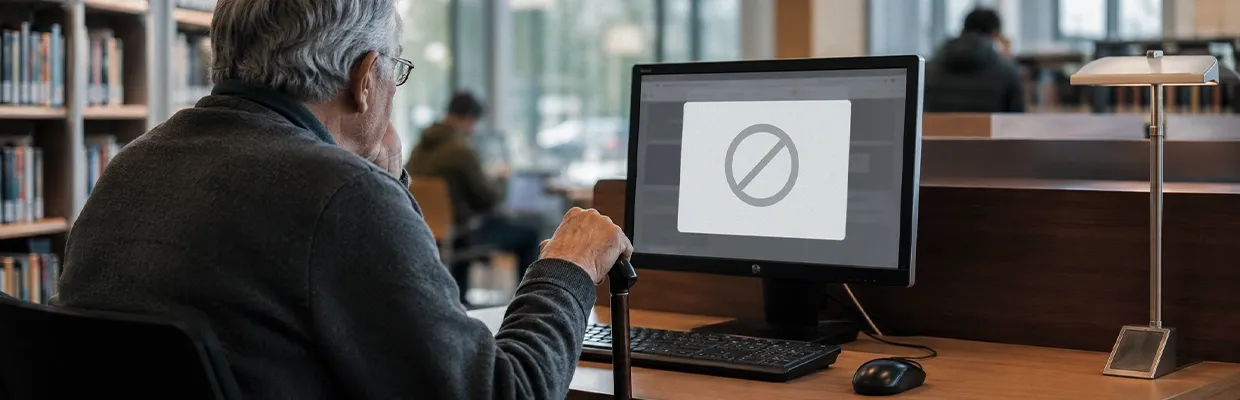
To enforce all of this, France will need an effective age verification system. That’s the quiet part of the bill that matters most. The country already requires age checks for adult content, and lawmakers expect similar mechanisms to be used here. In other words, access to large parts of the internet would increasingly depend on proving who you are (or at least proving how old you are) before you’re allowed in.
France isn’t acting in isolation. Late last year, Australia passed a similar social media ban for under-16s. The UK is openly working on its own version. Denmark, Greece, Spain, and Ireland are circling the same idea. At the EU level, age verification systems are already being discussed as part of broader digital regulation. Once these systems exist, they rarely stay limited to one use case or one age group.
Supporters argue this is about safety, not surveillance. Critics – including child protection groups and opposition lawmakers – say that banning access is a blunt, overly simplistic response to complex problems like mental health, cyberbullying, and online harm. Even France’s own courts struck down a similar law in 2023 after finding it conflicted with European law.
There’s also the enforcement question. Platforms would be given months to deactivate existing accounts that don’t comply. That means more data collection, more monitoring, and more incentive for companies to over-comply rather than risk fines. History suggests that when governments demand age gates, platforms don’t push back; they build them, quietly and expansively.
The Bigger Picture
For parents, the promise is control. For teenagers, the reality is restriction. For everyone else, it’s another step toward an internet where anonymity and frictionless access are treated as liabilities rather than features.
I get the impulse. Social media isn’t harmless, and pretending otherwise helps no one. But banning phones in high schools and locking teenagers out of the digital public square doesn’t address the underlying issues — it just moves them around. Kids don’t stop being online because lawmakers say so. They get better at hiding it.
You know the saying, “strict parents make sneaky kids”? Yeah, it’s a saying for a reason. Except here, it’s not a single overbearing parent – it’s an entire government hellbent to ban kids from their beloved online spaces.
France may frame this as protecting young minds, but the long-term consequence is something broader: normalising the idea that access to the internet should require permission, proof, and oversight by default. Once that becomes standard, rolling it back won’t be easy.
Today it’s under-15s. Tomorrow, it’s everyone else being asked to show their papers before they log on.


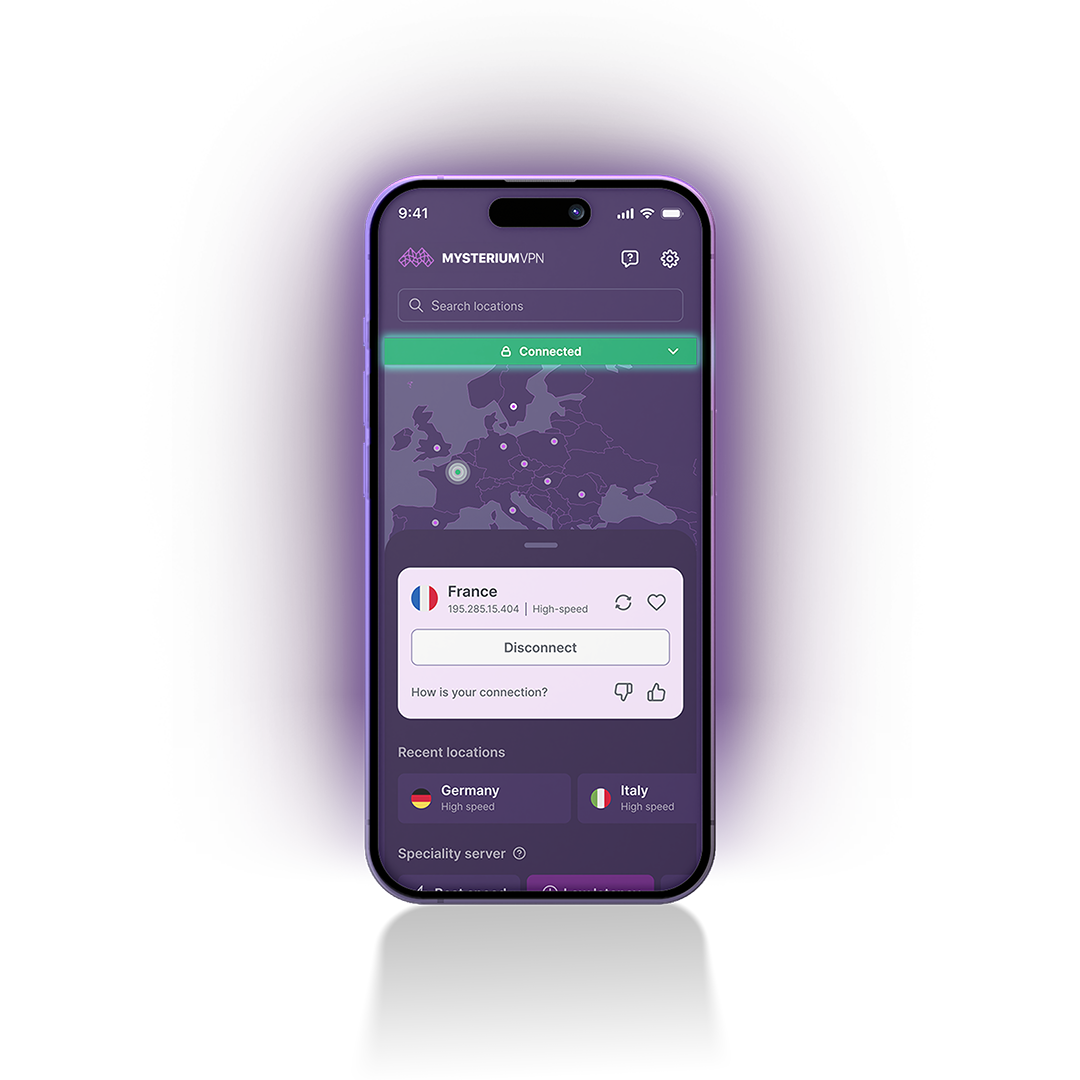
Be part of the resistance, quietly.
Gintarė is a cybersecurity writer at Mysterium VPN, where she explores online privacy, VPN technology, and the latest digital threats in editorial pieces. With hands-on experience researching and writing about data protection and digital freedom, Gintarė makes complex security topics accessible and actionable.
Related Articles