Pill Testers Posted a Killer Opioid Warning Before a Festival, and Meta Deleted It


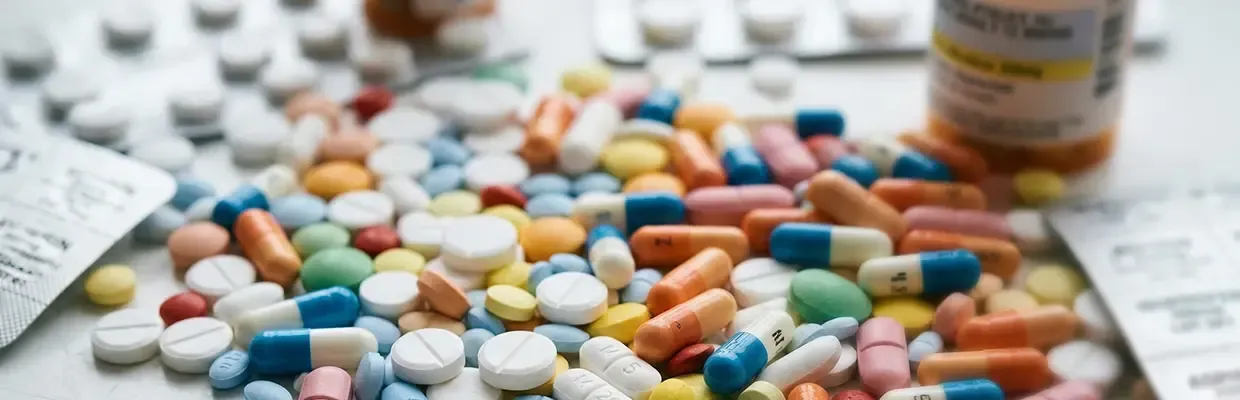
The situation facing Australian pill testing services right now is a perfect depiction of the modern absurdity we live in. The drug supply has changed radically over the past decade, with a far higher proportion of novel and dangerous substances on the market increasingly being sold at music festivals. The organizations built specifically to catch this and tell people before they end up in an ambulance are doing exactly that. And, naturally, they’re the ones getting banned.
This time, the targets include Pill Testing Australia, CanTEST, and New Zealand's KnowYourStuffNZ, all of which have had posts removed, accounts suspended, and in some cases entire pages and personal accounts permanently deleted after automated moderation systems at Meta and TikTok flagged their public health alerts as promoting drug use.
The Australian Injecting & Illicit Drug Users League (AIVL) is now calling on eSafety Commissioner Julie Inman Grant to compel both platforms to restore the removed content and establish a clear pathway for human moderator review before automated removal kicks in.
The Algorithm Can't Tell a Lifeline from a Drug Deal
The most concrete example of what this actually means came ahead of Canberra's Spilt Milk festival last December. Pill Testing Australia posted a warning about unusually strong MDMA and nitazenes, a class of synthetic opioids more potent than fentanyl, in circulation. Meta removed it three days before the event, and the subsequent appeal was rejected.
Then there is KnowYourStuffNZ, which had its Facebook page repeatedly taken down and its communications lead permanently banned after posting a warning about a high-risk synthetic cathinone being mis-sold as MDMA. A similar case happened to CanTEST, which was suspended from Instagram for a week. And needless to say, every appeal was either rejected or ignored just as well.
Other flagged content included warnings about "double-strength" MDMA circulating and recommendations to reduce dosage when testing isn't available, the kind of advice that is, by any reasonable definition, the opposite of promoting drug use. But sure, let’s ban posts trying to ensure safety and pretend that the issue doesn’t exist, just like we throw blanket social media bans instead of dealing with addictive algorithms and pretend kids won’t get around them.
Yet, what makes this particularly reckless is that these services don't just reach individual festivalgoers. Their alerts are read by on-site medical teams, paramedics, and emergency departments so they can prepare for what's coming through the door. So when Meta deletes a warning, it doesn't just stop people from making a safer decision but literally blindsides the professionals trying to keep them alive if they don't.
Meta Knows It's Wrong and Doesn't Care
Pill Testing Australia executive officer Steph Tzanetis noted that these organizations make a point of complying with platform guidelines, saying that moderation systems still can't consistently differentiate between content with a public health benefit and content that promotes drug use. After all, pill testing is government-sanctioned in Victoria, New South Wales, and the ACT. This is a Commonwealth-funded early warning system being censored by a private algorithm with no accountability and no appeal process worth the name.
AIVL CEO John Gobeil was direct, saying that Meta is silencing health workers who are simply trying to stop people from overdosing and that the platforms' failure to distinguish drug promotion from public health advice is "as much a failure of values as it is of content moderation."
Gobeil made it plain that Meta will remedy this if regulators force them to, but otherwise won't bother teaching its algorithm how harm reduction saves lives. That's the clearest possible statement of the situation because it’s not an accident, and these platforms aren't confused. They've made a calculation that fixing this isn't worth the effort until it becomes a regulatory liability. This is the real problem.
AIVL is calling on the eSafety Commissioner to use every available lever to compel Meta and TikTok to act, restore all accounts and content removed on the basis of drug-related community standards violations, and establish a human review pathway for public health organizations. All of that is reasonable, and it should have happened already.
But until it does, the next festival goes ahead, the next batch of nitazenes gets mis-sold as MDMA, and whether the warning gets through depends on whether the algorithm is having a good day. It’s genuinely insane how lightly these companies treat the responsibilities they carry.


Be part of the resistance, quietly.
Get Mysterium VPN
Dominykas is a technical writer with a mission to bring you information that will help you keep your digital privacy and security protected at all times. If there's knowledge that can help keep you safe online, Dominykas will be there to cover it.
Related Articles
.png)