Can We Not? What Banning VPNs Nationwide Would Mean for Your Security


If you’ve been online at all for the last few years, you’ve probably noticed that the space we’ve come to love and depend on for so many years is changing drastically. The spirit of anonymity, personal freedom, the ability to explore new ideas and learn new things, and a sense of connection with the world around us is dwindling faster than we can keep up.
And while most have resisted the change, using a plethora of tools to take back the internet daily, including VPNs, those in power don’t enjoy feeling like they’re not in control. As such, governments worldwide, including the land of the free, the United States, are toying with the idea of taking that away from you. Let’s talk about it.
Online Freedom Isn’t Universal
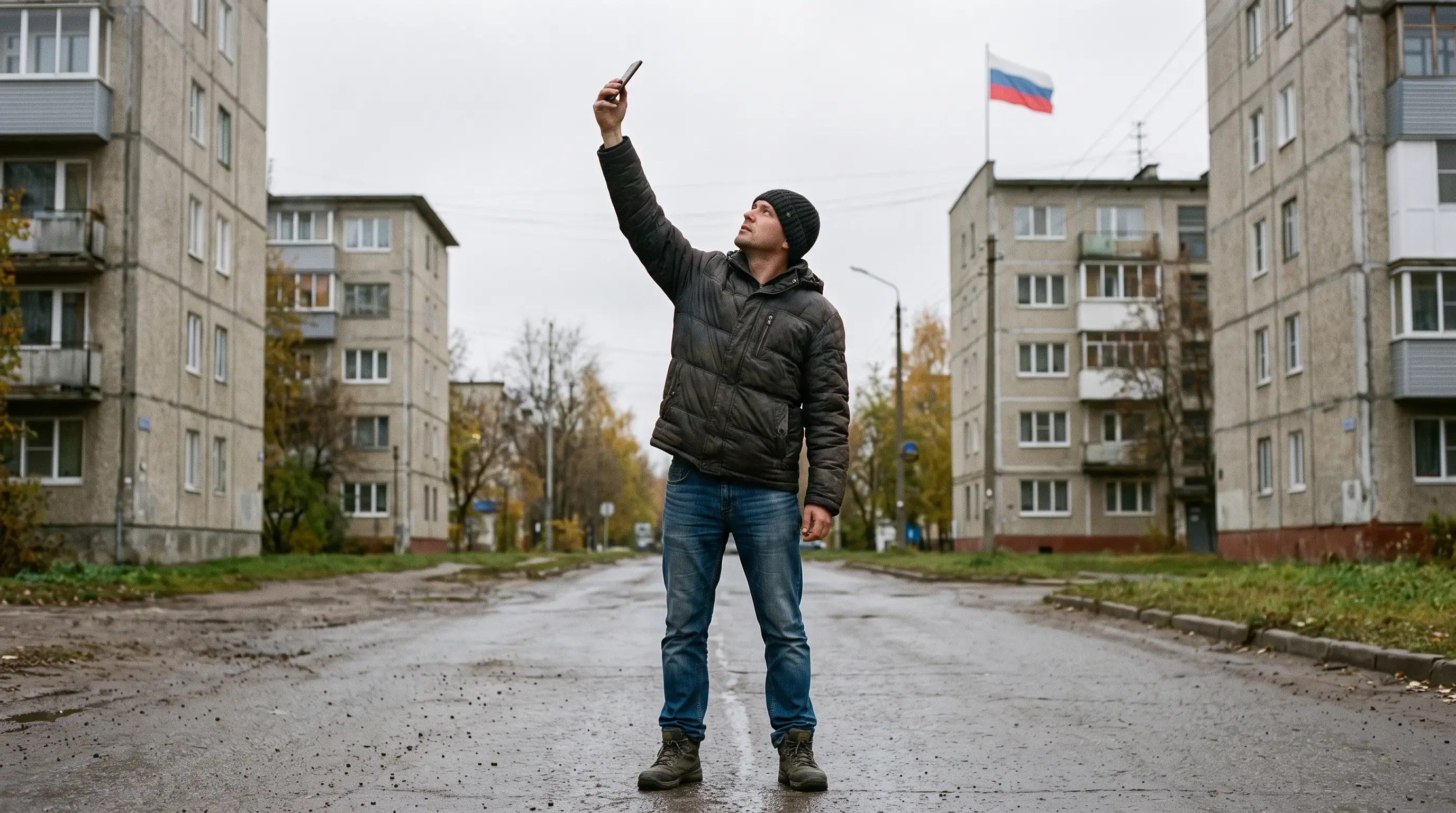
Oppressive governments, like Russia, Belarus, China, North Korea, the United Arab Emirates, and others in the bunch, have always been wary of the worldwide internet and its effects on their citizens. So, to maintain control and impose their own morals, such governments have historically imposed incredibly strict internet regulations, such as banning specific websites, Western social media sites, and foreign content, and heavily monitoring who’s saying what.
In China, for instance, the cartoon character Winnie-the-Pooh has become a symbol of resistance after the government imposed restrictions on images of the bear in 2017, following comparisons with Xi Jinping, the general secretary of the Chinese Communist Party (CCP). According to reports, the CCP views it as ridicule and symbolic dissent, leading to the removal of the imagery from Chinese social media platforms. Imagine being in trouble for making a joke that your country’s leader looks like a beloved cartoon character. But you live in the land of the free, so you must be safe, right? Not exactly.
The bad news is that those same overreaching restrictions are spreading to what we consider democratic, free countries. Under the guise of protecting vulnerable children from the scary, spooky internet dangers, countless governments are currently in a race to see who can roll out the strictest internet restrictions.
Save the Children
The latest wave of online regulations is focused on protecting children from the dangers they may encounter online. From old-school creepy old men pretending to be your friend, to addictive social media algorithms, to unlimited inappropriate content (remember seeing a video of two young women and a cup at 12?), the internet definitely has its issues. As such, making the internet more child-friendly and cutting off kids’ access to it have become a global priority.
In 2025, Australia took the lead, banning under-16s from social media. Not far behind, the United Kingdom took it a step further, setting the cutoff at 15 years old. France is also in the process of banning kids younger than 15 from social media. Other countries, including Türkiye, Ireland, and Germany, are following suit. It seems like a game of musical chairs, where governments are in a rush not to be the last man standing.
How are they banning kids from social media, you may ask? Oh, by asking everyone to prove they’re an adult by handing over their government-issued IDs to third-party companies, of course. Understandably, many people believe that giving an unknown company your full name, date of birth, and other sensitive information for the love of social media is a bit much.
The good news is that today’s children are smart enough to find a workaround, and adults are sceptical enough to also avoid compromising their personal data. The solution? A good old VPN – once used mainly to watch Netflix libraries from other countries – has now become a must-have tool to maintain a semblance of privacy and control over what you do online and who can see it. It helps you to encrypt your internet traffic, hide your public IP address, avoid unnecessary tracking, and stay anonymous.
Rest assured that if you find a loophole, those in power will do everything they can to patch it up.
Politicians Don’t Trust You
Here’s the uncomfortable part. When governments start talking about banning VPNs, they’re not really talking about Netflix libraries or geo-blocked football matches. They’re talking about control. They’re talking about closing the last window you still have when everything else is slowly being boarded up.
A VPN, at its core, isn’t some dark web tool designed for criminals in hoodies. It’s a basic privacy tool. It encrypts your internet traffic so your provider can’t see what you do online. It masks your IP address so advertisers and data brokers have a harder time creating a neat little personality profile about you. It gives you breathing room. A small digital exhale.
And that, apparently, is becoming unacceptable. The logic used to justify bans is always neat and simple. Criminals use VPNs. Terrorists use encryption. Scammers hide behind anonymous connections. Therefore, the tool must go. But criminals also use phones, cars, and cash. Should we ban those, too? I don’t think so.
What’s really happening is a shift in mindset. Instead of punishing illegal behavior, lawmakers are increasingly suspicious of privacy itself. The simple act of wanting your browsing habits private becomes something that needs explaining. That should worry you. Because once privacy is framed as suspicious, everything else follows naturally.
What a Ban Would Actually Change
Imagine waking up one day and discovering that your country has officially banned VPNs. Not restricted. Not regulated. Banned. On paper, maybe nothing dramatic happens. Your social media apps still work. Your email still loads. Life goes on. But beneath the surface, the texture of your online life changes.
Every website you visit becomes easier to log. Every search you make sits more neatly attached to your home network. Your curiosity about a medical condition, a political idea, a controversial book, or a personal problem becomes just another entry in a dataset somewhere.
You might trust your current government. You might believe they would never misuse that visibility. But laws and technical infrastructure tend to outlive political campaigns. The systems built today will still be here tomorrow, and the day after that, regardless of who is in charge.
Journalists lose a layer of source protection. Social and political activists lose a safer channel to organize. Brave whistleblowers lose anonymity. Ordinary people like you and me lose the quiet comfort of knowing that not every click is easily traced back to our front door.
The Slow Normalization of Control
The pattern is becoming familiar. First, governments introduce age verification to protect children. Then they require ID checks for certain platforms. Then they tighten monitoring rules for online speech. Then they look at VPNs and say, well, those allow people to bypass our carefully constructed safeguards.
Each step is presented as reasonable in isolation. Each law comes wrapped in the language of safety and responsibility. But together, they form something heavier. They form a culture where anonymity is abnormal, where encryption is suspicious. Where wanting privacy is seen as something that needs justification.
The internet was never perfect. It has always had its dangers. But it also gave people something powerful: the ability to explore ideas, new communities, and information without feeling constantly watched.
When a government considers banning VPNs nationwide, it’s not just regulating software. It’s redefining the boundaries of personal space in the digital age. It’s saying that your online life should be transparent by default, and private only by exception. That is a profound shift.
Because privacy isn’t about hiding wrongdoing. It’s about maintaining autonomy. It’s about being able to think, research, question, and even change your mind without a permanent, easily accessible record hanging over you. You shouldn’t have to prove that you deserve that.
If the solution to online harm is to strip away the tools that protect ordinary people, then we’re solving the wrong problem. And maybe, just maybe, the real issue isn’t that citizens use VPNs. It’s that those in power are uncomfortable when they can’t see everything.


Be part of the resistance, quietly.
Gintarė is a cybersecurity writer at Mysterium VPN, where she explores online privacy, VPN technology, and the latest digital threats in editorial pieces. With hands-on experience researching and writing about data protection and digital freedom, Gintarė makes complex security topics accessible and actionable.