Nebraska’s Child Internet Safety Law Is Unconstitutional, Says a Federal Judge


Key Takeaways
- A federal judge ruled that major components of Nebraska's LB 1074 (a law requiring age verification on social media) likely violate the First Amendment.
- The ruling blocks the law from going into effect while legal challenges proceed, citing concerns about restricting protected speech.
- Age verification laws, however well-intentioned, force users to hand over sensitive personal data and create chilling effects on free expression online.
- This isn't an isolated case; courts across the U.S. are increasingly pushing back on overbroad internet safety laws that sacrifice civil liberties in the name of protecting children.
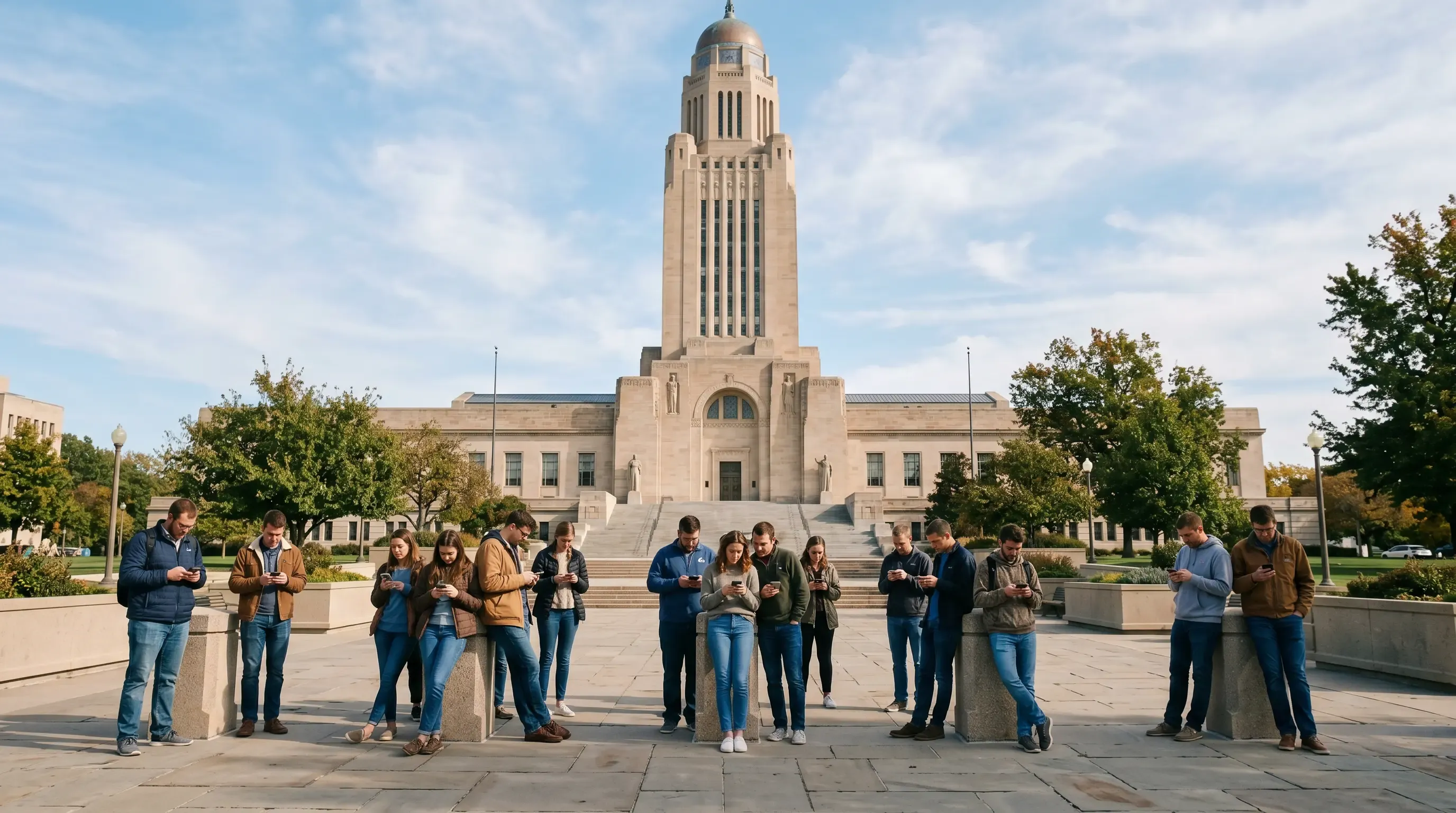
A federal judge has blocked several key provisions of a Nebraska law designed to restrict minors' access to social media, ruling that they likely violate the First Amendment and can’t go into effect as scheduled in July. According to an article by Nebraska Public Media published June 28, 2026, the law, known as LB 1074, would have required age verification for social media platforms and placed restrictions on how those platforms operate for users under 18.
The judge's decision is a preliminary injunction, meaning the law is paused while the case works its way through the courts. But the language of the ruling is significant: the court found that multiple components of the law are probably unconstitutional; not just procedurally problematic, but fundamentally at odds with the First Amendment's protections on speech.
I'm not going to pretend I'm surprised. Age verification laws follow a familiar and frustrating pattern: legislators identify a real concern, like kids' wellbeing online, and respond with a solution that's far too broad, poorly designed, and ultimately more harmful than helpful.
Why Age Verification Doesn’t Actually Solve the Problem
Here's the thing about age verification: it sounds clean. You check someone's age, minors are locked out, problem solved. But the real-world mechanics of it are a lot messier and a lot more dangerous.
To verify someone's age, platforms need to collect identity documents. That means driver's licenses, passports, and government IDs. Suddenly, a platform that knew nothing about you now has a copy of your most sensitive personal information, and that data has to be stored somewhere, managed by someone, and protected from breaches that, let's be honest, happen all the time. We've seen what large-scale data leaks look like. Handing over ID documents to every social media platform you want to use is not a trade-off most people would consciously choose to make.
Then there's the chilling effect. When people know their real identity is attached to their online activity, they self-censor. They avoid controversial topics, avoid communities, and avoid expressing views that could get them in trouble in their professional or personal lives. That's not a theoretical concern; it's a well-documented consequence of removing anonymity online. Age verification doesn't just affect minors. It shrinks the digital public square for everyone.
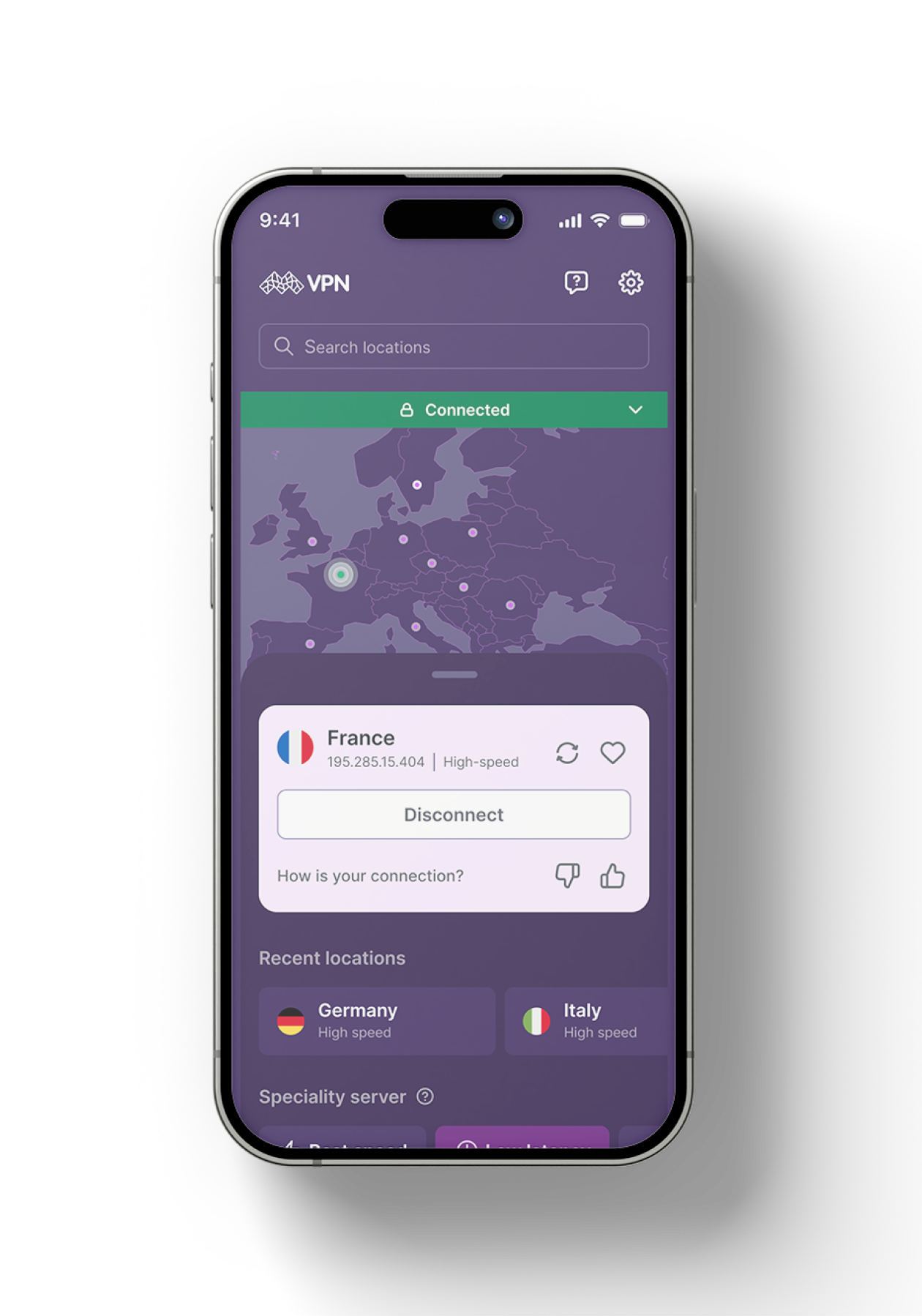
And for the people this law was supposedly designed to help? A sufficiently motivated teenager will find a workaround. VPNs, borrowed accounts, international platforms that don't comply – the barriers are real, but they're not walls.
Courts Are Starting to Recognize What Lawmakers Keep Missing
This ruling fits a broader trend. Courts in Texas, California, and elsewhere have pushed back on similar laws, often on the same First Amendment grounds: that restricting access to online platforms is a form of restricting speech, and that the government needs a very good reason (and a very precise tool) to do that. Blanket age verification requirements don't clear that bar.
What I find most important about this ruling is that it takes seriously the idea that online communication is speech. That accessing social media, participating in communities, reading and sharing information, these are protected activities. Governments can't just build walls around them because the content inside might be unsuitable for some users.
I genuinely believe in a free internet. Not free as in lawless, but free as in open, where people can communicate, organize, and access information without being forced to surrender their identities to do it. Age verification laws move us in the opposite direction. They normalize the idea that access to the internet is conditional on proving who you are to a corporation or government, and that the internet itself should be partitioned and surveilled to manage what people can see.


Be part of the resistance, quietly.
Get Mysterium VPN
Gintarė is a cybersecurity writer at Mysterium VPN, where she explores online privacy, VPN technology, and the latest digital threats in editorial pieces. With hands-on experience researching and writing about data protection and digital freedom, Gintarė makes complex security topics accessible and actionable.
Related Articles
.png)