NetChoice Sues Nebraska Over a Digital ID Law That Is a Cybersecurity Disaster


Key Takeaways
- Nebraska's LB 383, set to take effect July 1, 2026, requires residents to submit digital ID verification before accessing social media and other everyday online services.
- NetChoice, a tech industry advocacy group that has successfully blocked similar laws in Arkansas, Ohio, and Louisiana, filed suit on May 14, 2026, in the U.S. District Court for the District of Nebraska.
- The lawsuit argues LB 383 violates the First Amendment by conditioning access to lawful speech on identity disclosure and that mandatory ID collection creates a cybersecurity honeypot endangering all Nebraskans.
- Nearly 46% of minors bypass age checks under similar laws already in effect globally, and cybersecurity researchers have repeatedly urged governments to stop building mandatory ID databases.
Nebraska Decided Everyone Needs to Show Papers
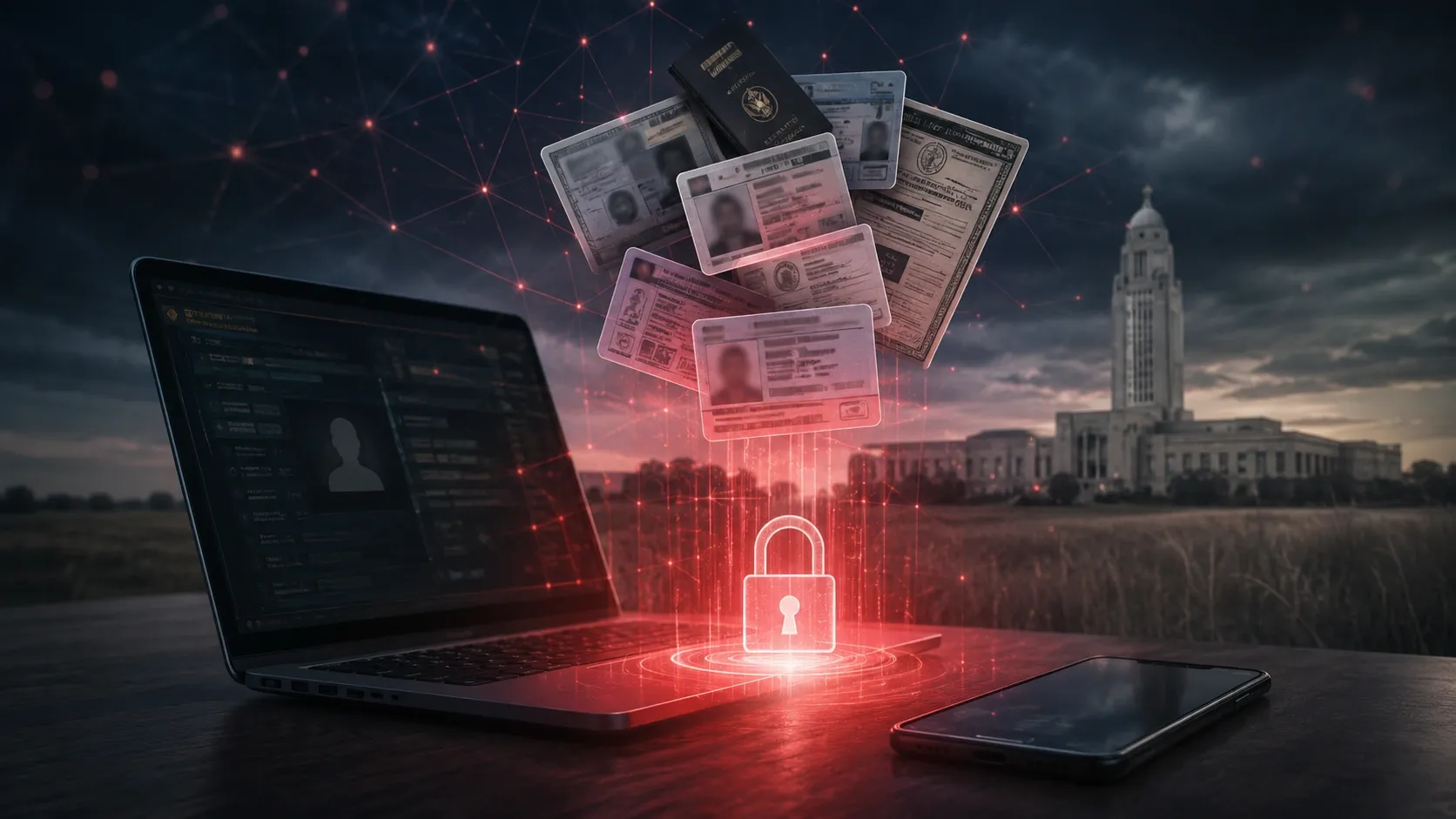
Nebraska's LB 383 does exactly what it sounds like. Before a Nebraska resident can access social media or other routine digital services, they must submit a digital ID. Not a self-reported age but an actual identity document. The law takes effect July 1, 2026, and it applies to everyone, not just minors.
On May 14, NetChoice filed suit in the U.S. District Court for the District of Nebraska to stop it. NetChoice is a tech industry advocacy group that litigates against unconstitutional state internet laws, and it has a track record here: it has already won permanent blocks of similar laws in Arkansas, Ohio, and Louisiana.
Paul Taske, Co-Director of the NetChoice Litigation Center, was direct about the legal argument. "The government cannot condition access to fully protected speech on a person's willingness to hand over their most sensitive information," he said. "There is a large, growing body of law explaining exactly why this approach is unconstitutional."
A Law Built to Get People's Data Stolen
The cybersecurity problem is not a side effect of LB 383. It is the direct consequence of its careless design. Collecting identity documents from every resident who wants to use social media creates a single concentrated database of sensitive personal information, the kind that cybercriminals target specifically because the payoff is high and the victims often don't find out for years.
"Digital ID laws, like those implemented in Europe, create honeypots of data that hackers and other bad actors will eagerly exploit," Taske said. And well, he’s got the numbers to back that up.
According to the Identity Theft Resource Center, data compromises jumped 79% over the last five years. A quarter of children are expected to experience identity theft before they turn 18, and those children are precisely the group LB 383 claims to protect. Parental verification requirements under the law mean birth certificates and guardianship documents also enter the pipeline, broadening the exposure further.
Over 400 cybersecurity researchers from 30 countries have called for a moratorium on this approach, because the infrastructure it builds can be repurposed long after the child safety rationale is forgotten.
Meanwhile, Utah recently passed its own law targeting VPNs in the context of age verification, creating the same concentrated data exposure for users and the same technically impossible compliance situation for every website trying to serve them. That story is playing out in Utah right now.
The Evidence Was Already There Before Nebraska Voted
Similar digital ID laws have been tried globally and produced consistent results. Minors bypass them quickly, and the surveillance infrastructure outlasts the child safety rationale that justified building it. Reports from early 2026 show nearly 46% of minors find existing age checks easy to bypass, with about a third already having done so, and many turning to insecure free VPNs or fringe platforms outside mainstream safety frameworks.
NetChoice has already successfully challenged this exact legal framework in three states. The Arkansas victory, which produced a permanent block, included explicit language from the court. "Parents, not government officials, are best positioned to decide how their kids use technology." Nebraska's legislature was aware of that ruling when it voted.
Massachusetts is currently pushing through its own social media ban for under-14s, modeled on Florida's HB 3, which has been tied up in federal court since 2024. In other words, states keep copying laws that are failing legal challenges and calling it child protection, instead of, you know, trying to actually do it better.
The cybersecurity angle is where I think the public case needs to be made more aggressively. When people are pushed off mainstream platforms by ID mandates, they reach for whatever gets them back in, and free VPN services are frequently insecure, monetized through data collection, or actively malicious.
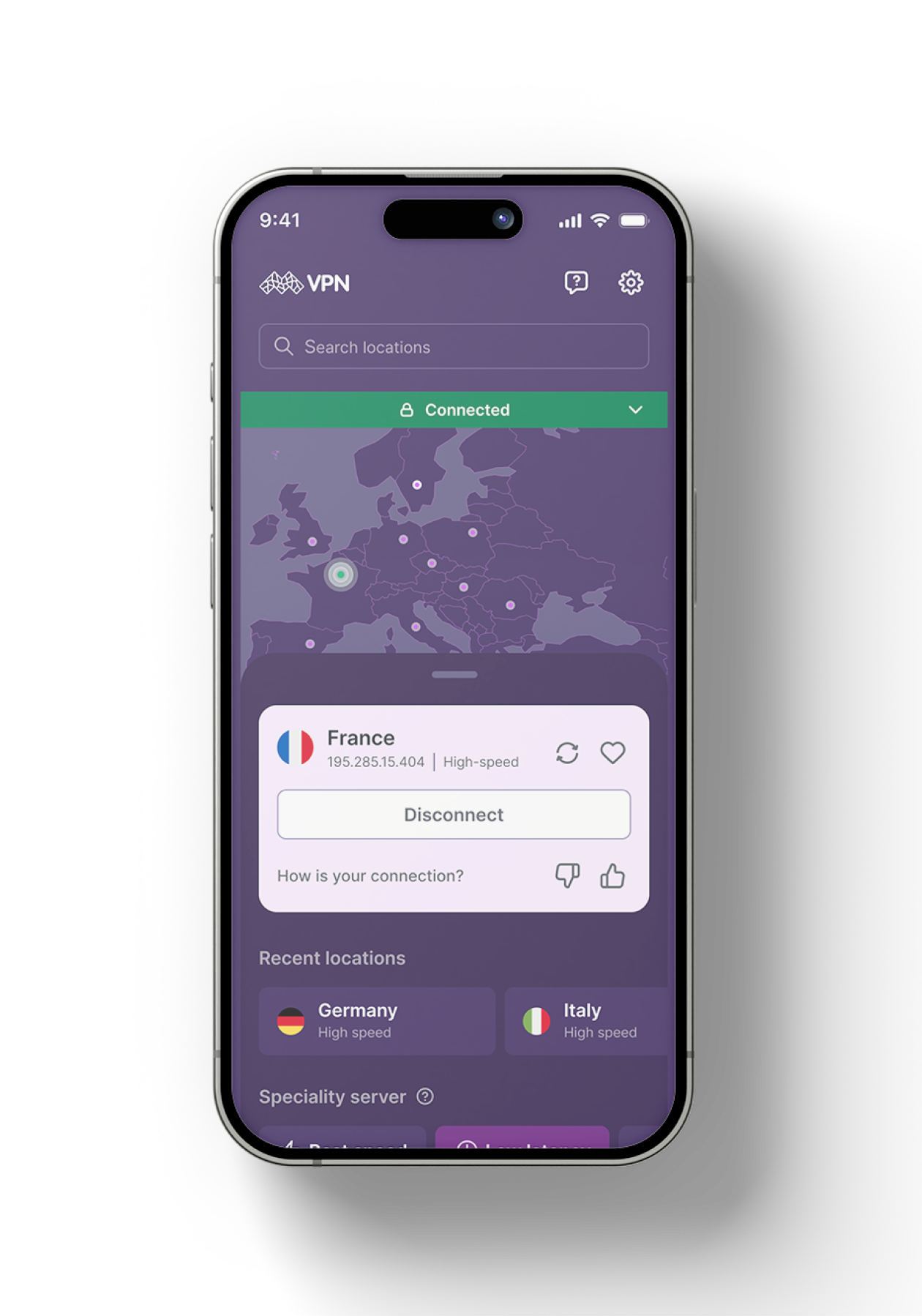
If protecting children online is the actual goal, handing their data to a state ID database and pushing them toward unvetted tools is an extraordinarily bad way to do it. A virtual private network from a trustworthy provider is still a better answer than most of what these laws push people toward, and you can get Mysterium VPN with 78% off right now. But should we really need to always resort to privacy tools just to do the most basic stuff, like checking our messages online?
Nebraska has about six weeks before July 1. The courts have stopped this before, on the same grounds, in multiple states. The only question is whether a preliminary injunction arrives in time.


Be part of the resistance, quietly.
Get Mysterium VPN
Dominykas is a technical writer with a mission to bring you information that will help you keep your digital privacy and security protected at all times. If there's knowledge that can help keep you safe online, Dominykas will be there to cover it.
Related Articles
.png)