Texas AG Goes After Meta's Smart Glasses Over Biometric Privacy Violations


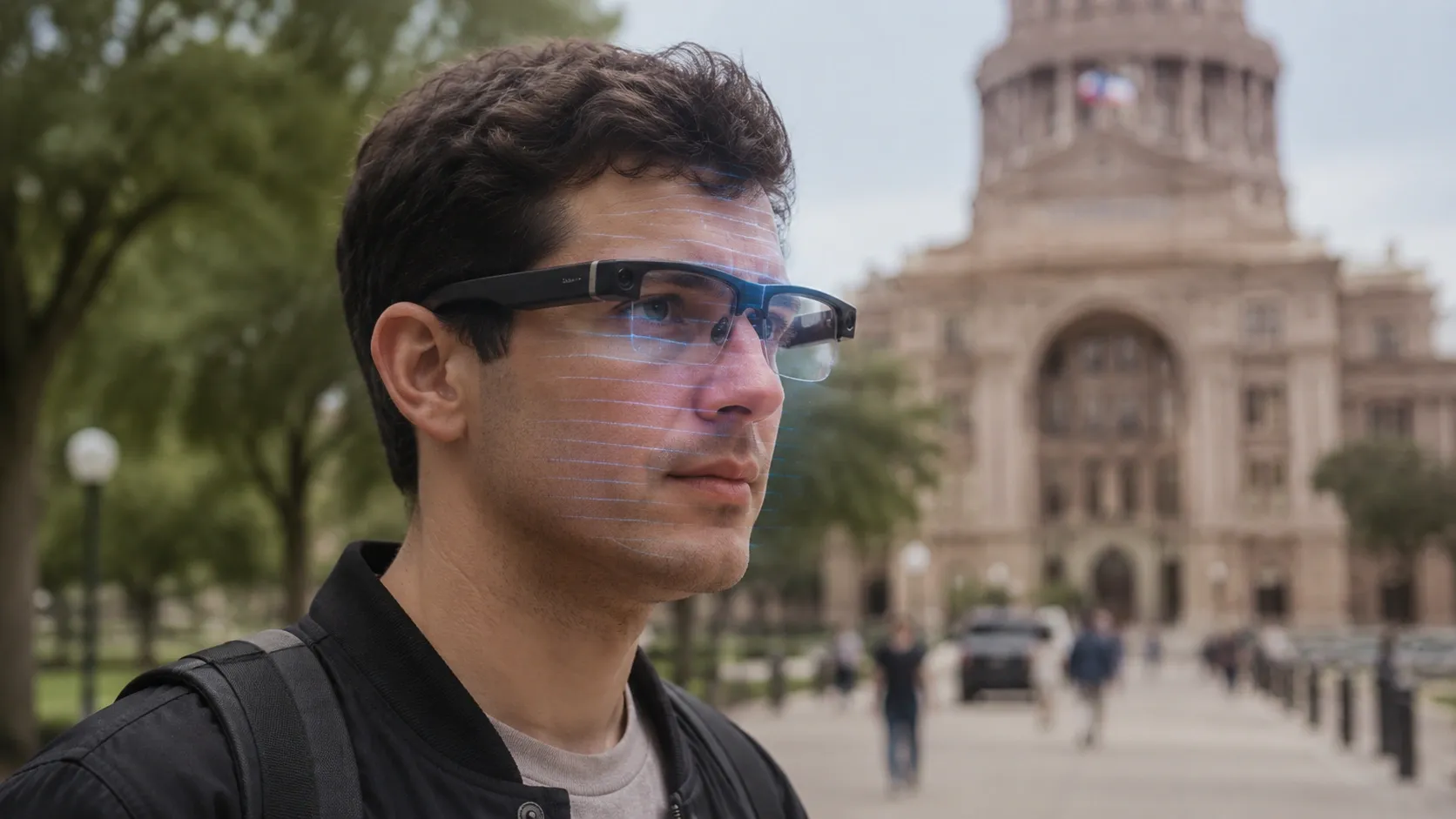
Key Takeaways
- Texas AG Ken Paxton has issued a Civil Investigative Demand to Meta over its AI glasses, opening a formal investigation into whether the company deceptively misrepresents its use of consumer data.
- The glasses' "always enabled" mode continuously processes video while the LED indicator stays dark, leaving bystanders with no reliable signal they are being recorded.
- A Swedish investigation found that Kenya-based Sama contractors hired by Meta were reviewing intimate footage from the glasses, including bathroom visits and sexual activity.
- Meta is internally developing a facial recognition feature called "Name Tag" that would identify bystanders without consent, and Texas's biometric law carries damages of up to $25,000 per violation.
Designed for Privacy, Built for Surveillance
There is something almost structurally perfect about the sequence in this story. Meta settled a $1.4 billion biometric privacy lawsuit with Texas in July 2024, paid without admitting wrongdoing, and then shipped a wearable camera product collecting the same category of data, only now pointed outward at everyone around the wearer.
Texas AG Ken Paxton has issued a Civil Investigative Demand to Meta over its AI glasses, opening a formal investigation into whether the company deceptively misrepresents its use of consumer data.
The investigation targets three concerns: the glasses' always-on recording architecture, the routing of footage to third-party contractors, and Meta's internally documented plans to add facial recognition. The glasses have an LED indicator meant to signal active recording, but the AG's office says it does not activate during always-enabled mode, giving bystanders no signal that the device is running.
The Workers in Nairobi Watching Your Bathroom
A joint investigation by Swedish newspapers Svenska Dagbladet and Göteborgs-Posten found that employees at Sama, a Nairobi-based contractor hired by Meta for data annotation, were routinely reviewing footage from the glasses, with workers reporting bathroom visits, people undressing, and sexual activity, with users apparently unaware their footage was being sent abroad for human review.
One worker told the newspapers, "You understand that it is someone's private life you are looking at, but at the same time you are just expected to carry out the work. You are not supposed to question it. If you start asking questions, you are gone." Two US citizens have since filed a class action in San Francisco arguing that advertising the glasses as "designed for privacy, controlled by you" was false.
The Name Tag Feature Nobody Asked For
The third prong of Paxton's investigation draws on New York Times reporting that Meta is internally developing a facial recognition feature called "Name Tag," which would capture and process the facial geometry of anyone in the camera's field of view, including people who never agreed to be in a Meta dataset. Meta has said it does not currently have facial recognition on the glasses while acknowledging interest in such a feature.
This is exactly the trajectory that makes Texas's biometric enforcement law a live threat. The state's Capture or Use of Biometric Identifier Act prohibits collecting facial geometry without informed consent, with damages of up to $25,000 per violation, and it produced the 2024 settlement after Facebook's Tag Suggestions feature captured biometric data, in Paxton's words, "billions of times." Name Tag would do the same in physical space, at an ambient scale, without the person filmed ever touching a Meta product.
A Settlement Is Not a Lesson
Meta's spokesperson said the company is "ready to address the questions Attorney General Paxton has raised, which appear to come from reporting that doesn't reflect the full picture of our work," without disputing the always-enabled mode, the Sama arrangement, or the Name Tag reports.
A company that paid $1.4 billion to settle biometric privacy claims and then built a product with ambient facial capture potential, a recording mode whose indicator stays dark, and a contractor pipeline reviewing intimate footage has not internalized anything – only paid the fee. Paxton has already proved he will follow through, and whether this produces real accountability or another settlement Meta can file and forget is the open question. I would not expect the industry to answer that honestly.


Be part of the resistance, quietly.
Get Mysterium VPN

Dominykas is a technical writer with a mission to bring you information that will help you keep your digital privacy and security protected at all times. If there's knowledge that can help keep you safe online, Dominykas will be there to cover it.
Related Articles
.png)