Studying the Internet in the US Can Now Get You Deported


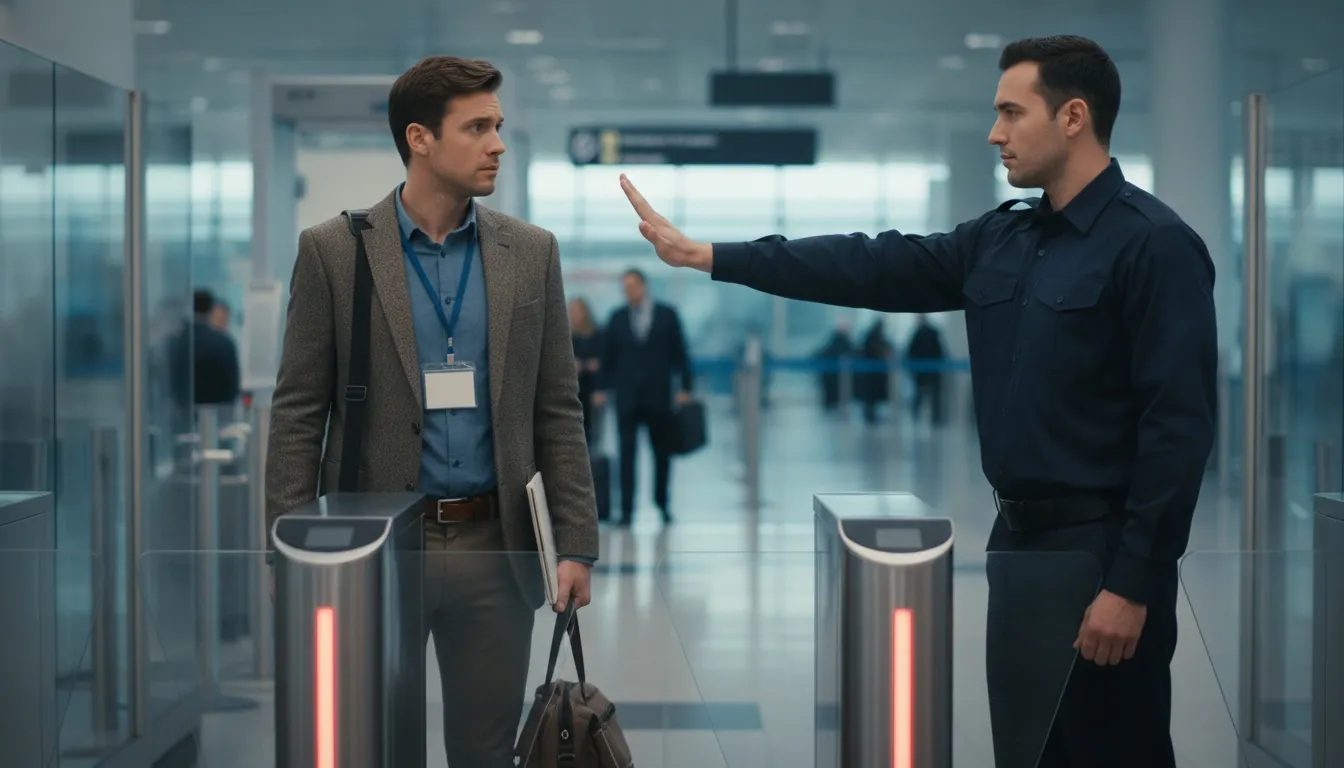
Governments have always wanted to control the narrative online. But while usually they go after the content, the more effective is going after the people who audit it. Scare away the researchers and fact-checkers, and you don't need to censor a single post. All you need to do is throw away your moral compass and use your power to bend some laws to your benefit, and the picture gets murkier on its own.
In May 2025, Secretary of State Marco Rubio announced a visa restriction policy targeting anyone deemed "complicit in censoring Americans." By December 2025, State Department cables were instructing consular officers to scrutinize H-1B visa applicants working in misinformation research, fact-checking, content moderation, and trust and safety, and to pursue ineligibility findings if they judged an applicant sufficiently complicit.
Rubio then applied the policy to one former EU regulator and four independent researchers, including leaders of two organizations within the Coalition for Independent Technology Research (CITR). On March 9, 2026, CITR filed a federal lawsuit alongside the Knight First Amendment Institute and Protect Democracy, arguing the policy violates the First Amendment.
The "Anti-Censorship" Policy That Censors
The administration's argument, carried over from Trump's first term, is that private platforms moderate content with an anti-conservative bias, and anyone who supports or studies that moderation is therefore participating in the censorship of Americans. Follow the logic far enough, and you arrive at the current situation: a government policy that revokes visas and threatens deportation for people whose jobs involve researching online harms.
The December 2025 State Department cable, which has not been made public, reportedly directed officers to pursue visa ineligibility for applicants in fields including misinformation research, disinformation analysis, compliance, and trust and safety. The policy's stated reach goes even further, covering professionals who work on combating child exploitation, terrorism, fraud, and human trafficking. These types of jobs often involve research, analysis, and editorial judgment, and because of that, these people now have targets on their backs.
Calling researcher deportation "anti-censorship" is the kind of Orwellian rebranding that only works if nobody reads the fine print. Well, too bad, because there are plenty of us who do, and the censorship in this story is the policy itself.
Scientists Scared to Do Their Jobs
CITR's membership spans research organizations, academics, and journalists who study how digital platforms shape society. Several members were already barred from the United States by the end of 2025 for their work on issues including online hate speech and platform advertising practices.
The lawsuit alleges the policy punishes people based on perceived viewpoints, interferes with US citizens' right to hear from and associate with noncitizen colleagues, fails to serve any legitimate governmental interest, and is illicitly vague. And when a policy is vague by design, the chilling effect spreads far beyond named targets. Anyone studying politics and platform censorship now has to calculate whether their next paper could cost them their visa.
In the words of CITR executive director Brandi Geurkink, "Researchers are scared for themselves and their families, and at a moment when AI is reshaping daily life and people are already worried about their freedom online, independent research is more necessary than ever."
Deporting Your Way to a Free Internet
Silencing the people who study speech is not a new tactic. It is, however, a particularly efficient one. You don't need to argue with the findings if the researchers are no longer allowed in the country.
The pattern the Trump administration has established is worth naming clearly. The policy is vague enough to reach virtually anyone doing serious work on internet platforms. Visa scrutiny, revocation, and detention risk are punishing enough that researchers self-censor before any formal action is taken. That is the mechanism, and the lawsuit from CITR and the Knight Institute is the first real legal challenge to it.
If the administration genuinely cared about free speech, it would fund the researchers who protect it, not deport them. The complaint filed in federal court names five individuals who had their visas revoked or were barred from the country for studying social media. Five researchers who were simply doing their job.
A government that deploys immigration enforcement against scientists to control what the public knows about Big Tech has no standing to call itself a free speech defender. It’s honestly absurd that this is actually happening.


Be part of the resistance, quietly.
Get Mysterium VPN
Dominykas is a technical writer with a mission to bring you information that will help you keep your digital privacy and security protected at all times. If there's knowledge that can help keep you safe online, Dominykas will be there to cover it.
Related Articles
.png)