US Revokes Visas for Five La Nación Directors Over Their Editorial Line


Key Takeaways
- Five of seven La Nación board members had their US tourist visas revoked in what the paper describes as retaliation for its editorial stance.
- La Nación is one of Costa Rica's most prominent independent outlets, and Costa Rica's president has targeted it since his 2022 presidential campaign.
- The State Department provided no official explanation for the revocations.
- The move fits a documented pattern: the Trump administration has previously revoked visas for a British commentator, an Australian writer, and a Tufts doctoral student over their speech and coverage.
- The Committee to Protect Journalists is calling on the administration to end its use of visa revocations as a tool to police speech.
A Government That Calls Itself a Press Freedom Champion
When the United States cannot explain why it banned five newspaper directors from traveling to the country, there are only two possibilities: administrative error or a deliberate choice that cannot withstand scrutiny. Given the administration's record, the answer is not hard to find.
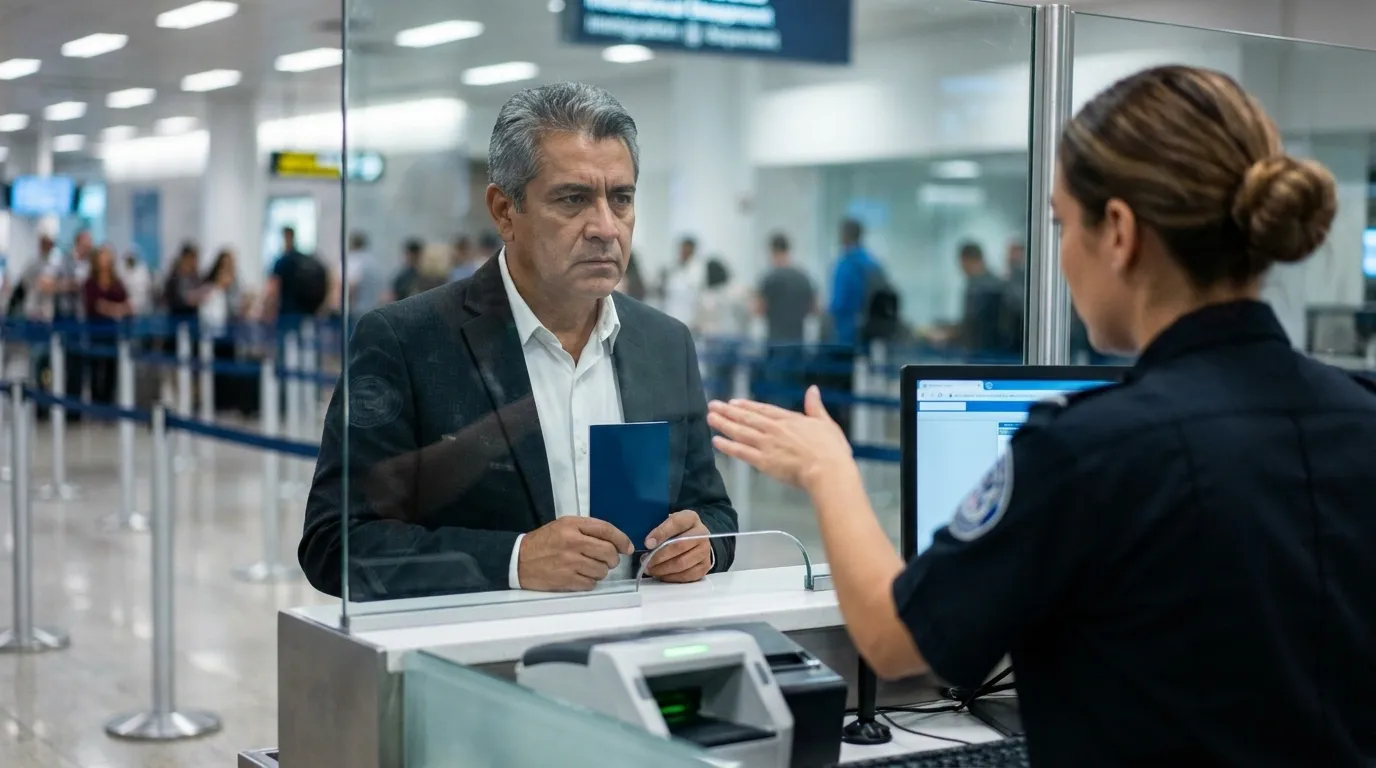
Five of seven board members at La Nación had their US tourist visas revoked, with the executives saying the decision was intended to punish the paper for its editorial line. La Nación is one of Costa Rica's leading independent watchdog outlets, and its relationship with the current government has been openly hostile from the start. President Rodrigo Chaves vowed during his 2022 campaign to act as a "tsunami" against independent media, and his administration has systematically targeted La Nación since.
The timing only sharpens the point. Secretary of State Marco Rubio recently appeared alongside Chaves at a joint press availability, calling Costa Rica a "model" for the region. Naturally, the same State Department then pulled travel rights from the directors of the country's leading independent newspaper, with no explanation and no reply to the Committee to Protect Journalists' request for comment. What the US claims to champion online and what it does to journalists are two different things entirely.
CPJ Américas Regional Director José Zamora was direct, saying the Trump administration "weaponizes the U.S. visa regime to punish critical voices and censor disfavored views, including by denying the benefit of travel to the United States, often in defense of those who attack the press." The administration's silence on its own decision confirms the point.
The Pattern Is the Policy
The Trump administration has built a consistent record of using immigration enforcement to punish speech, and the La Nación case is the latest entry in a pattern that is no longer deniable.
In October 2025, British commentator Sami Hamdi was arrested at San Francisco International Airport while on a speaking tour after his visa was revoked days into a visit he had entered on validly. He spent two weeks in detention before being released. Australian writer Alistair Kitchen was denied entry at Los Angeles International Airport in June after border officials searched his phone and questioned him for 12 hours over his coverage of pro-Palestinian protests. Earlier in 2025, Tufts doctoral student Rümeysa Öztürk had her visa revoked after writing a student op-ed criticizing her university's response to the Israel-Gaza war and spent six weeks in ICE detention.
Three individuals across different nationalities and contexts, all reached through the same mechanism. It’s well documented how the US uses visas to silence researchers and journalists, and the La Nación case extends that pattern to an entire editorial board in a foreign country. The administration offered no explanation, because explanations invite scrutiny, and scrutiny is what it is trying to avoid. The message to governments worldwide is plain: align with Washington, and your press critics lose their ability to travel to the United States.
The Question Nobody in Washington Seems Prepared to Answer
Using a country's visa regime to punish journalists for their editorial decisions is a press freedom violation by any reasonable definition. The CPJ has demanded the administration end this practice and provide a clear explanation for what happened to La Nación's board. Neither will come quickly.
What makes this case significant is that the targets are not individual commentators or graduate students. They are the leadership of one of Latin America's most respected newspapers, targeted not for anything they personally wrote, but for the paper's institutional editorial line. That is not immigration enforcement. That is attempting to reshape a foreign country's press landscape through travel restrictions, with no legal basis stated and no accountability built in.
The administration will not explain the La Nación decision unless it is forced to. So the real question is who applies that pressure, and whether the governments whose journalists are next in line are willing to treat this as the bilateral issue it actually is.


Be part of the resistance, quietly.
Get Mysterium VPN

Dominykas is a technical writer with a mission to bring you information that will help you keep your digital privacy and security protected at all times. If there's knowledge that can help keep you safe online, Dominykas will be there to cover it.
Related Articles
.png)