How and Why Online Regulation Is Increasingly Being Written by Telecom Realities


Key Takeaways:
- Internet control often happens at the network level, not just through platform rules or content moderation.
- Governments and providers can slow, block, or shut down access without removing any content.
- These measures are common globally and can affect economies, communication, and everyday life.
- Internet freedom isn’t just about what you can say, it’s about whether you can connect at all.
Imagine opening TikTok, and it doesn’t load. Not because it’s banned. Not because your account is gone. The app is right there. It just… doesn’t work right. Videos buffer forever. Comments won’t load.
At first, you blame your Wi-Fi. Restart your phone. Switch devices. Then YouTube starts acting weird, too. Google searches take longer than they should. That’s when it gets confusing. Because nothing is technically “blocked.” And yet, nothing works.
The Internet As a City
It helps to think of the internet like a city. Apps like TikTok, YouTube, and Instagram are places you go. Messaging apps are where you meet people. Online stores are where you shop.
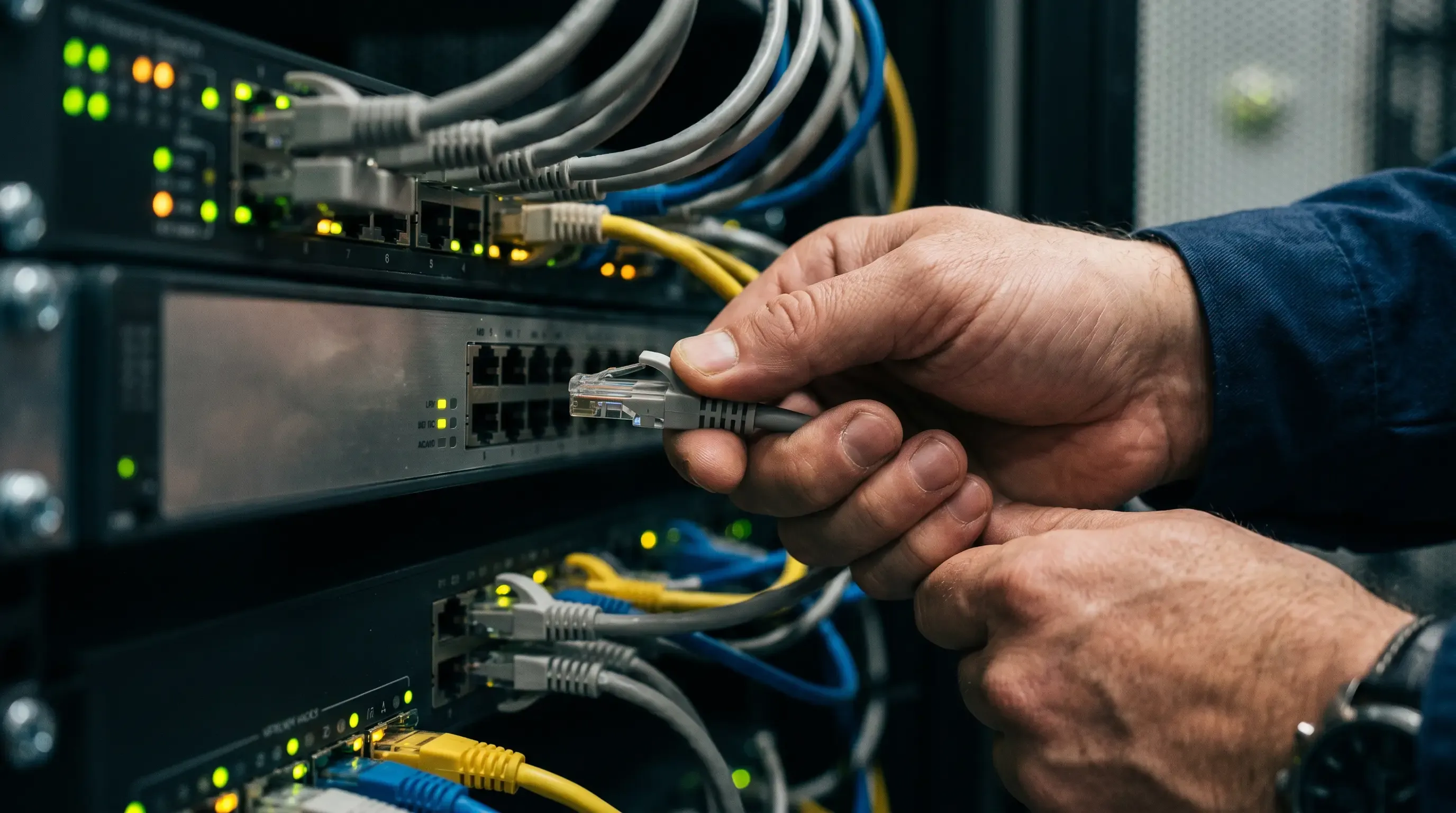
But none of that matters without the roads that get you there. Those roads are run by internet providers and telecom networks. And just like in a real city, if someone controls the roads, they don’t need to shut a place down to keep people from reaching it. They just need to make the journey harder.
This Is Already Happening
It might sound dramatic, but this isn’t hypothetical. It’s already part of how the internet works in many places. Governments don’t always shut everything off. Sometimes they do, but more often, they take smaller steps that are harder to notice. They slow things down. They block certain routes. They limit how reliably you can connect.
According to the Internet Society, there were more than 130 shutdown incidents recorded in 2024 alone, and the trend has continued in 2025.
The restrictions aren’t dramatic. Instead of turning off the whole internet, access might be limited during protests or elections. Certain apps stop working properly. Messages take longer to send. Videos won’t load. From the outside, it feels like a bad connection. But it may be intentional.
How It Works
Once you start thinking in terms of roads instead of apps, the mechanics of control become much clearer.
Throttling: The Traffic Jam Trick
Sometimes, nothing is blocked. Traffic flows through. It’s just unbearably slow. This is throttling. Imagine a multilane highway leading to TikTok suddenly reduced to a single lane during rush hour. Some people do manage to get through, but it takes so long that most people won’t bother. From the outside, it looks like bad internet. In reality, it’s controlled friction.
Blocking: Road Closed
You try to access a website, and it simply doesn’t load. It’s a “Road Closed” sign. Governments often order internet providers to block specific websites, usually targeting content they consider illegal or harmful. But here’s the problem: blocking one route often blocks much more than intended.
For instance, many people use their Facebook accounts to log into third-party platforms, like Instagram and Spotify. If someone blocks your way to Facebook, yes, you miss out on outdated reels. But you also lose access to the platforms that allow Facebook as a login method.
Prioritization: Fast Lanes for Some, Traffic for Others
Not all traffic is treated equally. Some services can be prioritized, while others are slowed down. Certain apps enjoy smooth access, while everything else sits in congestion.
This often happens when comparing state-approved platforms and their unbound counterparts. The government-backed website may work perfectly fine, but your preferred alternative suffers. If you’re in Russia, the state-backed messaging app Max, launched in 2025, will likely work smoothly, but if you choose a Western-adjacent option, like Telegram, you’re out of luck.
That’s because the app is helpful to the Russian government, alienating its citizens from Western cultures while also (allegedly) collecting mass amounts of data on its users, thanks to policies that (allegedly) allow it to share this data with third parties, including state authorities.
Shutdowns: Turning the Whole City Off
And then there’s the most extreme option. No roads. No traffic. No movement. An internet shutdown is an intentional disruption that makes online communication inaccessible or effectively unusable for a specific population.
According to the United Nations, cutting off internet access entirely is considered a violation of fundamental human rights, regardless of the justification. But it keeps happening.
The Hidden Damage
When the internet slows down or disappears, it’s easy to think of it as an inconvenience. But not a big deal. Until you actually rely on it.
If your connection isn’t stable, work becomes difficult. Your messages don’t send. Payments fail. Deliveries get delayed. Meetings drop. Things that take seconds suddenly take minutes, or don’t happen at all.
For some people, that’s frustrating. For others, it’s lost income. According to the Internet Society’s policy brief, even a single day of internet shutdown can cost an economy hundreds of thousands, sometimes millions, depending on the country.
When the internet stops working, a lot of normal life stops with it. And even when it comes back, the damage doesn’t fully disappear. People lose trust in the system. Businesses hesitate. The whole environment starts to feel less reliable.
It’s not just about being offline for a day. It’s about not knowing when it might happen again.
Why It Keeps Happening
If these measures cause so much disruption, why are they used so often? Because they’re simple. Slowing down the internet is much easier than dealing with what’s happening on it. Whether it’s unrest, misinformation, or illegal content, those issues are complicated, messy, and hard to solve.
From a control perspective, that’s effective in the short term. But it doesn’t really fix anything.
Research has shown that shutdowns and restrictions often don’t achieve their goals. They don’t reliably stop misinformation. They don’t prevent people from finding loopholes. In some cases, they can even make situations worse by increasing confusion and hiding accurate information.
There’s also something a bit ironic about it. Trying to restrict access often draws more attention to whatever is being restricted in the first place. People notice when things stop working. They talk about it. They look for ways around it. If only there were a way to pretend you’re browsing from somewhere else, right…?
Internet Freedom Matters
We imagine internet freedom as the ability to speak freely. To post what we want, say what we think, and share information freely. But none of that really matters if your access is unstable.
If the roads are slow, blocked, or quietly controlled, it doesn’t make a difference what you’re allowed to say when you get there. Because you won’t.
The internet isn’t just shaped by platforms or content rules. It’s shaped by the systems underneath, the networks that decide whether anything loads in the first place. And those systems don’t look the same everywhere.
The version of the internet you experience depends on where you are, who connects you, and what rules they choose to follow. Two people can open the same app and have completely different experiences, not because the app changed, but because the path to reach it did.
It’s invisible by design. But maybe it shouldn’t be. Because the future of internet freedom won’t just be about what you’re allowed to say. It’ll be about whether you can say it at all.


Be part of the resistance, quietly.
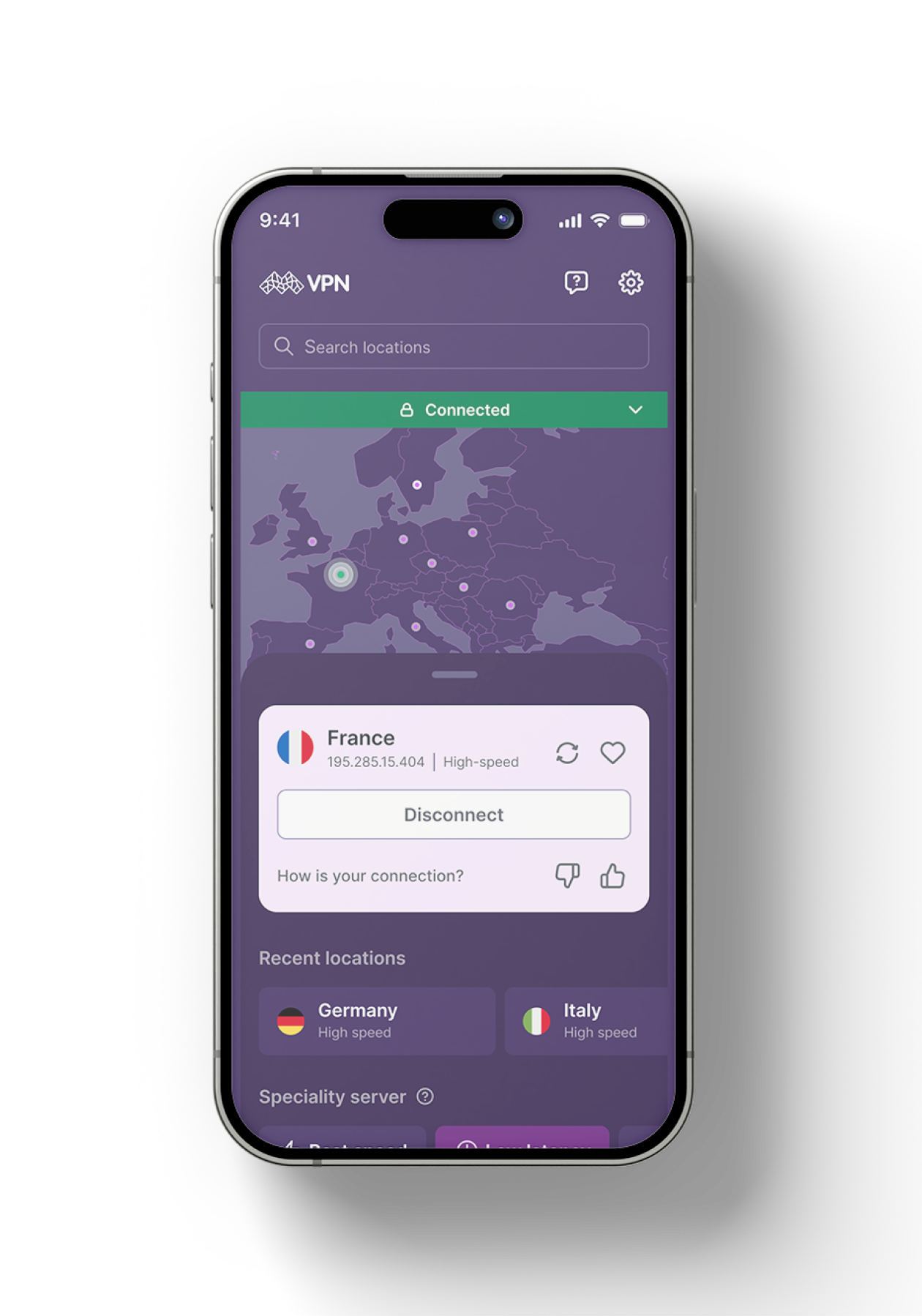
Get Mysterium VPN
Gintarė is a cybersecurity writer at Mysterium VPN, where she explores online privacy, VPN technology, and the latest digital threats in editorial pieces. With hands-on experience researching and writing about data protection and digital freedom, Gintarė makes complex security topics accessible and actionable.
Related Articles
.png)