Social Media Hacking: How It Happens and How to Stay Safe


Key Takeaways
- Social media hacking happens when attackers gain unauthorized access to accounts using methods like phishing, malware, brute-force password attacks, and social engineering.
- The consequences can be personal, professional, and financial, including identity theft, reputation damage, data leaks, and scams targeting your contacts.
- Hackers often target popular platforms like Facebook, Instagram, LinkedIn, and X (Twitter) because they store large amounts of personal information.
- Strong security habits, unique passwords, two-factor authentication, and regular account monitoring, significantly reduce hacking risk.
- If your account is compromised, act quickly: change passwords, enable 2FA, notify contacts, and follow the platform’s recovery steps.
In today’s digital age, social media has become an integral part of our daily lives. From sharing personal moments on Facebook to networking on LinkedIn, our online accounts hold a wealth of sensitive information.
Unfortunately, this makes social media platforms a prime target for malicious hackers. The rising trend of social media account hacking has had a significant impact on users, with an increasing number of accounts being compromised. In this guide, we will explore the various aspects of social media hacking, its consequences, and how to protect yourself from these cyber attacks.
Understanding Social Media Platforms Hacking
Social media hacking refers to malicious hackers’ unauthorized access to social media accounts. A notable example is when Donald Trump Jr.’s Twitter account was hacked, highlighting the vulnerability of even high-profile accounts.
This can involve stealing login credentials, installing malware, or using social engineering attacks to talk victims into revealing sensitive information.
Hackers frequently target popular social media platforms like Facebook, Instagram, and Twitter due to their large user bases and the significant amount of personal data stored on these platforms.

Why Do Hackers Hack?
Hackers hack for various reasons, including financial gain through stealing and selling data or ransomware attacks. Some hack to gain unauthorized access to information or systems for political or ideological reasons, often called hacktivism.
Others do it for personal satisfaction, intellectual challenge, or to showcase their skills. Cyber espionage, where hackers infiltrate systems to gather sensitive information for governments or organizations, is also a motive.
Additionally, some hackers engage in malicious activities for disruption, revenge, or personal vendettas.
Methods Used by Malicious Hackers
- Phishing: a common technique used by hackers to gain access to social media accounts. This involves sending fake emails or messages that appear to be from a legitimate source, prompting users to enter their login information on a fake login page.Phishing links often lead to fake websites designed to look like the login page of a social media platform. Always double-check the URL before entering any information.
- Brute Force Attacks: in a brute force attack, hackers use automated tools to try various combinations of passwords until they find the correct one. This is especially effective against accounts with poor security, such as those using simple or common passwords.
- Malware and spyware: it can be installed on a user’s device through malicious downloads or fake websites. These tools can capture login information and other sensitive data, allowing hackers to gain entry into your accounts. Keyloggers, for example, can be installed through social engineering attacks or by exploiting vulnerable browsers when the user views a malicious site.
- Social engineering attacks: these involve manipulating people into divulging confidential information. This can include tactics like pretending to be a friend or a trusted entity to trick victims into revealing their passwords or other sensitive information. Social engineering attacks can also involve clicking on links from phishing emails or viewing malicious sites, which can lead to the installation of keyloggers or other malware.
Consequences of Social Media Hacking
A hacked social media account can lead to significant personal distress. One prominent example is the hacking of actress Emma Watson’s social media accounts. In 2017, her private photos were leaked online after her accounts were compromised. Another high-profile case involved the hacking of Twitter CEO Jack Dorsey's account, which led to a series of offensive tweets being posted, causing significant embarrassment and highlighting the vulnerability of even the most secure accounts.
This invasion of privacy not only exposed her personal life to the public but also caused emotional distress and a feeling of vulnerability. For everyday social media users, similar incidents can lead to the loss of personal photos, private messages, and contact details.
Such breaches can result in severe emotional and psychological effects, including anxiety and a loss of trust in online platforms.
Professional Impact
Professionals and public figures are particularly vulnerable to the professional consequences of social media hacking. When their accounts are compromised, hackers can post false information, damaging their reputations.
A notable example is the 2020 Twitter hack that targeted high-profile individuals like Barack Obama and Elon Musk. The hackers used these accounts to promote a Bitcoin scam, tarnishing the credibility of the victims involved.
Social engineering attacks can be used to compromise professional accounts, often through phishing emails or exploiting vulnerable browsers. These attacks can lead to severe consequences, such as job loss or career setbacks. Employers may view the hacked account as a reflection of poor security practices, leading to a loss of trust and professional opportunities.
Financial Impact
The financial consequences of social media hacking can be severe. Hackers often gain access to accounts linked to financial information, resulting in unauthorized transactions and monetary losses.
In 2016, Mark Zuckerberg’s Twitter and Pinterest accounts were hacked, highlighting that even cyber security professionals aren’t immune. While Zuckerberg did not suffer significant financial losses, the incident underscored the potential risks. Similarly, when a high-profile celebrity's social media account was hacked, it led to significant financial consequences for the victim, including unauthorized transactions and loss of sponsorship deals.
For regular users, a hacked account can lead to identity theft and financial fraud, with hackers using personal information to make unauthorized purchases or commit fraud.
Loss of Sensitive Information
Hackers who gain access to social media accounts can steal sensitive data, including phone numbers, addresses, and personal conversations. This data can be sold on the dark web or used for further malicious activities.
Social engineering attacks can be used to steal sensitive data from social media accounts, often through phishing emails or malicious sites that deploy keyloggers.
For example, the LinkedIn data breach in 2012 exposed the personal information of millions of users, including their email addresses and passwords. This breach allowed hackers to access not only LinkedIn accounts but also other online accounts where users had reused the same password.
The stolen information was later sold on the dark web, leading to widespread identity theft and fraud.
Increased Vulnerability to Further Attacks
A hacked social media account can serve as a gateway for further cyber-attacks. Hackers often use the compromised account to gain access to other linked accounts or devices.
For instance, when the Twitter account of a high-profile celebrity was hacked, it led to a series of subsequent attacks on other social media accounts and platforms.
This was evident in the case of the Yahoo data breaches between 2013 and 2016, where hackers stole data from over three billion accounts. The stolen information included email addresses, security questions, and passwords, making users vulnerable to further attacks on other platforms.
Once hackers have access to one account, they can use the same login information or security information to infiltrate other accounts, amplifying the damage.
Spread of Misinformation
Hacked social media accounts can be used to spread misinformation and fake news. During the 2016 U.S. presidential election, Russian hackers allegedly compromised several social media accounts to influence public opinion. Social engineering attacks can be used to spread false information through hacked social media accounts.
They used these accounts to disseminate false information and propaganda, which contributed to the spread of misinformation on a large scale.
This manipulation of social media platforms not only affected individual users but also had broader societal implications, demonstrating the power of hacked accounts in shaping public discourse.
Social Engineering and Phishing Risks
Once hackers gain control of a social media account, they can use it to launch social engineering attacks on the victim’s contacts. By posing as the account owner, they can send phishing links and malicious messages to friends and followers.
For instance, the 2020 hacking of high-profile Twitter accounts, including those of Elon Musk and Barack Obama, led to widespread phishing attacks and scams. This tactic was used in the 2013 hacking of the Associated Press’s Twitter account, where hackers posted a false tweet about an explosion at the White House. The tweet caused a brief but significant drop in the stock market, illustrating the potential economic impact of social media hacks.
Victims’ contacts are often more likely to trust and click on links sent from a familiar account, making this method particularly effective.
Example: The Hacking of Jamie Oliver's Social Media Accounts
In 2015, celebrity chef Jamie Oliver’s social media accounts, including his Facebook and Twitter, were hacked. The hackers used his accounts to post spam and malicious links. Social engineering attacks were used in this hacking, exploiting vulnerabilities to gain access to his accounts.
This incident damaged his online reputation and put his followers at risk of phishing attacks. The hack highlighted the vulnerability of public figures and the potential risks to their large follower bases.
Oliver’s team had to act quickly to regain control of the accounts and reassure his followers, but the incident served as a reminder of the far-reaching consequences of social media hacking.

How to Protect Yourself from Social Media Hacking
Let’s take a look at how to keep your social media accounts safe and sound!
Regularly monitoring your account settings is crucial to protect your social media accounts from risks, potential cyberbullying, or identity theft. Additionally, being aware of social engineering attacks, such as phishing emails or malicious sites, is essential. Avoid clicking on suspicious links and ensure your browser is up-to-date to prevent these attacks.
Strong Password Practices
Using a unique password is one of the most effective ways to protect your social media accounts. Ensure your password is a unique combination of letters, numbers, and special characters. Avoid using the same password across multiple accounts.
Two-factor authentication (2FA)
Enabling 2FA adds an extra layer of security to your social accounts. This requires a second form of verification, such as a code sent to your phone, in addition to your password.
Recognizing and Avoiding Phishing Attempts
To avoid falling victim to phishing emails, always be cautious of unsolicited messages asking for login credentials. Verify the sender’s identity and avoid clicking on suspicious links.
Regular Account Monitoring
Regularly check your social media account activity for any suspicious activity. Many platforms offer tools that allow you to see recent logins and other account changes.
Updating Software and Apps
Keep your software and apps up-to-date to protect against vulnerabilities. Security patches are regularly released to address potential security flaws.
Using a Virtual Private Network (VPN)
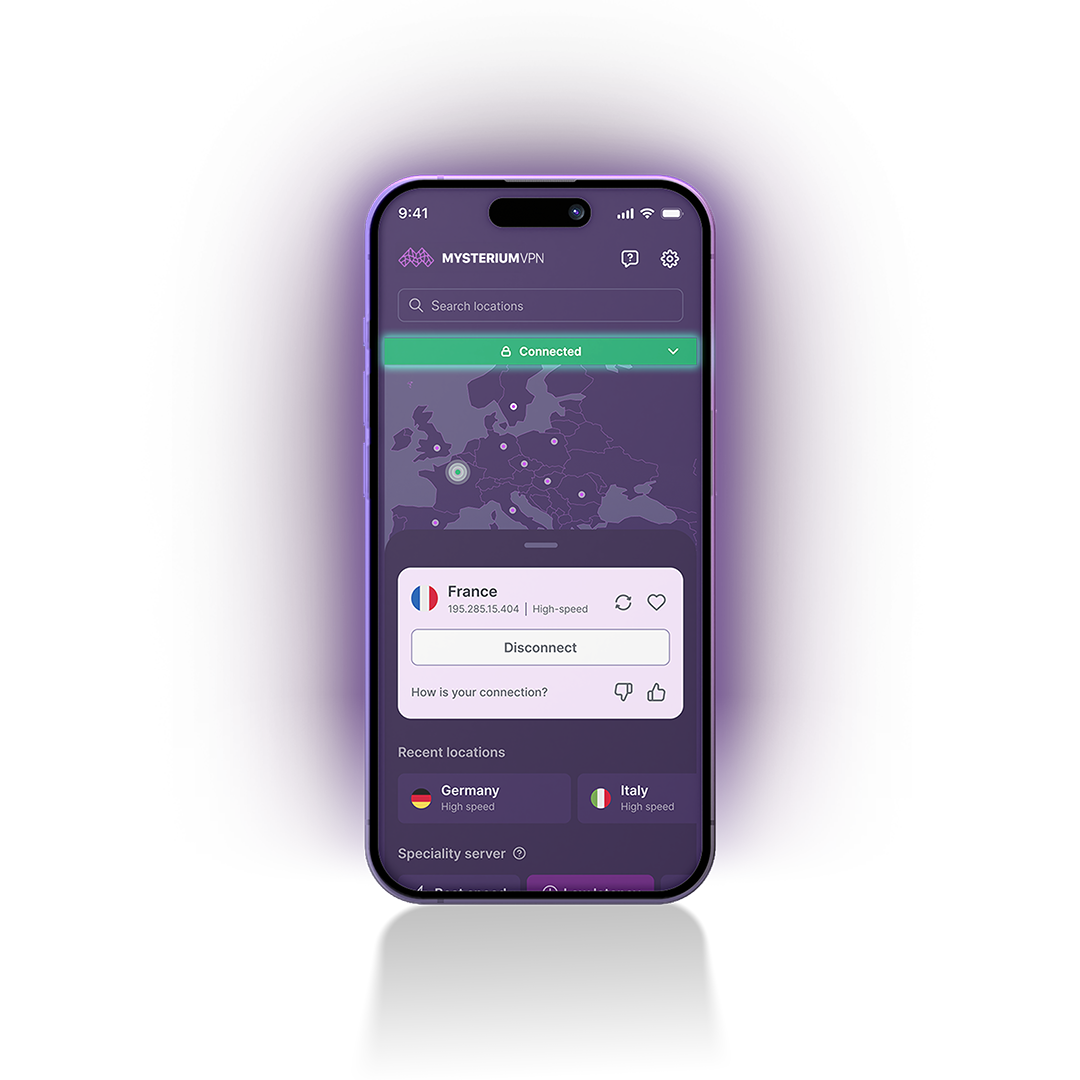
A virtual private network (VPN) is a popular tool that helps protect your online activity by encrypting your internet connection. This is especially important when using public Wi-Fi, which can be vulnerable to hacking attempts. Whether you’re using a VPN for Instagram, a VPN for Snapchat, or any other social media platform, encryption helps prevent attackers from intercepting your data and login credentials while you browse or post online.
Installing Antivirus Software
Antivirus software can detect and remove malware from your device, protecting your sensitive data and login credentials from being stolen.
What to Do if You Have Been Hacked on Social Media
If you suspect your social media account has been hacked, change your passwords immediately. Enable two-factor authentication and notify your contacts to prevent further damage.
It's crucial to be aware of social engineering attacks, such as a phishing email or malicious sites, which can be used to install keyloggers. Knowing how to recover from these attacks is essential for your digital and personal lives.
Each platform has specific steps to recover a hacked account. Visit the help or support section of the platform to find detailed instructions on how to regain control of your account.
After recovering your account, strengthen your security settings and continue to monitor for any suspicious activity. Consider using tools like password managers to help manage and protect your login credentials.
The Twitter Hack: High-Profile Accounts Hijacked in Bitcoin Scam
One of the most infamous cases of social media hacking occurred in July 2020, when high-profile Twitter accounts were compromised in a massive security breach.
Hackers gained access to accounts belonging to prominent figures such as Barack Obama, Elon Musk, Bill Gates, and Kanye West. The hackers used these accounts to promote a Bitcoin scam, promising to double any payments sent to a specific cryptocurrency wallet.
This attack exploited Twitter’s internal tools and targeted employees with access to account management capabilities. Social engineering attacks were used in the Twitter hack, where hackers tricked employees through phishing emails to gain access.
The breach resulted in over $100,000 being sent to the hackers’ Bitcoin address before the fraudulent tweets were removed. Twitter responded by temporarily disabling verified accounts from tweeting while they investigated the breach.
The incident raised significant concerns about the platform’s security measures and the potential for more severe attacks in the future.
Subsequent investigations revealed that the hackers used social engineering tactics, including phishing, to trick Twitter employees into revealing their login credentials. Several individuals involved in the hack were later arrested and charged.
This case highlighted the vulnerabilities of even the most well-guarded social media platforms and underscored the importance of robust cybersecurity practices.
Conclusion
Social media hacking poses a significant threat to our personal and professional lives.
By understanding the methods used by hackers and implementing strong security measures, you can protect your social media accounts and sensitive information.
Social engineering attacks, such as phishing emails or exploiting vulnerable browsers, can be used to install keyloggers and compromise your social media accounts.
Stay vigilant and proactive in securing your online presence to avoid becoming a victim of social media attacks.


Frequently Asked Questions
Gintarė is a cybersecurity writer at Mysterium VPN, where she explores online privacy, VPN technology, and the latest digital threats in editorial pieces. With hands-on experience researching and writing about data protection and digital freedom, Gintarė makes complex security topics accessible and actionable.
Related Articles