Nineteen Organizations Tell UK Policymakers to Fix Big Tech, Not Users



Key Takeaways
- The EFF and 18 other organizations published a joint statement on May 5, 2026, warning that UK proposals to age-gate the internet will erode privacy for all users and fragment the open web.
- The Children's Wellbeing and Schools Bill has passed, and the government is now consulting on placing social media, video games, VPNs, and even static websites behind age verification systems.
- Existing age assurance technologies are either insufficiently accurate, privacy-invasive, or not widely available, and the UK's own experience under the Online Safety Act has already demonstrated the trade-offs.
- The coalition argues the real driver of online harm is the platform business model: data collection, behavioral targeting, and engagement-maximizing design built to extract value at users' expense.
- The internet is an essential resource for young people, offering access to information about family abuse, sexuality, and political life that may not be available offline, and access bans cut those lifelines.
The List That Should Make Every UK Policymaker Uncomfortable
The UK has been methodically expanding the scope of what counts as age-appropriate online content for years. Age verification started with pornography, moved to social media, and now the Children's Wellbeing and Schools Bill has passed, and ministers are actively consulting on which platforms and features go behind age gates next.
On May 5, 2026, the Electronic Frontier Foundation and 18 other organizations published a joint statement directed at UK policymakers, warning that this direction will undermine the open web without meaningfully addressing the forces that actually drive online harm.
We already talked about this many times before, and it’s absolutely worth talking about it again, because the scope is nothing short of striking. Restrictions under consideration include overnight curfews, social media bans for under-16s, and age-gating across video games, VPNs, livestreams, feeds, and static websites. Critically, even targeted restrictions on specific features would require all users to verify their ages, not just young people, with the burden on providers to comply however they consider appropriate.
When the Infrastructure Becomes the Problem
The joint statement is direct about why age assurance at this scale doesn't work. Existing technologies are either insufficiently accurate, undermine privacy and data security, or aren't widely available across populations. The UK's own experience under the Online Safety Act has already shown the trade-offs.
Mandating age assurance across an ever-expanding list of internet services also risks cementing the dominance of app stores, operating systems, and platform walled gardens. The statement describes the outcome plainly: the web becomes a patchwork of age-gated jurisdictions rather than a globally accessible resource, with free expression and access to information undermined in the process. On top of that, age assurance creates massive data risks for all users, as demonstrated by serious breaches of UK users' government ID data.
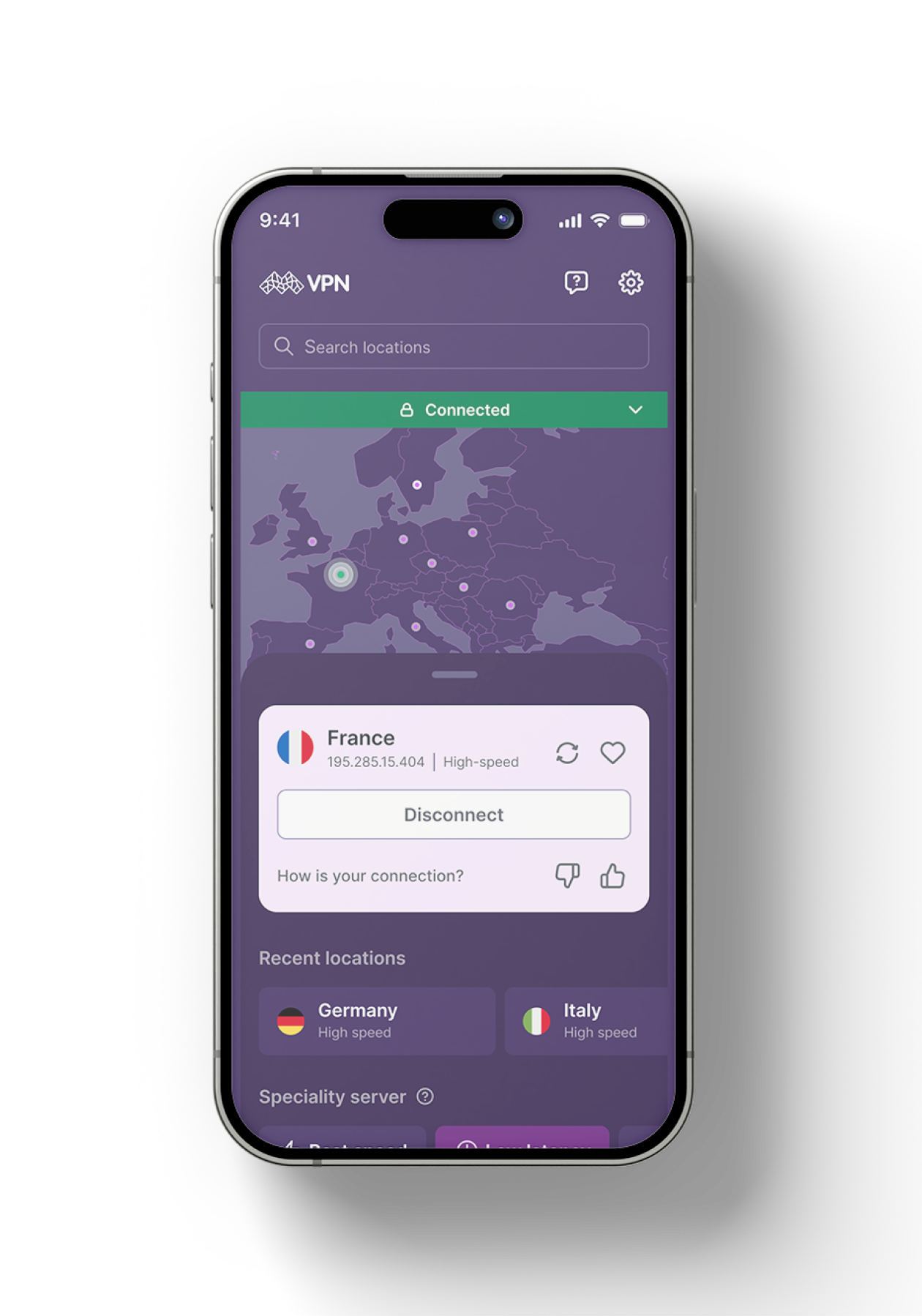
The consultation explicitly includes age-checking requirements for VPN access. When a government's child safety plan requires identity checks to use a privacy tool relied on by journalists, activists, domestic abuse survivors, and businesses, the safety plan has become something else. That is exactly why you should get Mysterium VPN with 78% off now, because if the UK government gets their way, soon enough protecting your online privacy might become a whole lot more difficult.
The Diagnosis the UK Keeps Refusing to Make
What the coalition actually asks for is an honest account of where online harm originates. Most online services are not built with users' rights in mind. They are optimized for extracting value through data collection, behavioral targeting, and engagement-maximizing design, and holding companies accountable for providing safe online spaces that strengthen rather than undermine users' choices must be the priority.
The coalition also pushes back on the assumption that restricting access protects young people. The internet is where they find information about family abuse, sexuality, and political life that may not be available offline. Policies that cut off that access do not reduce harm, and hundreds of researchers have already called for a moratorium on age verification deployment until evidence actually supports it.
The UK is not alone in receiving this feedback. Estonia made the same argument to the EU, rejecting blanket age verification in favor of enforcing accountability against platforms under laws that already exist. The argument travels. The political willingness to act on it, so far, unfortunately, does not.
I think the coalition is right. The UK's approach has a structural flaw: it treats symptom management as a substitute for systemic accountability, and age-gating the web doesn't change what platforms are built to do.
A Consultation That Already Knows Its Answer
Parliament handed ministers new legal powers on February 16, weeks before the "Growing up in the online world" consultation opened on March 2. The consultation closes May 26, 2026, and the government has signaled a response in summer 2026. The destination was chosen before the public was asked for directions.
Nineteen organizations, including some of the most credible digital rights institutions in the world, have now said publicly that this approach is wrong and have offered to work with policymakers on measures that are effective, proportional, and rights-respecting. The question is whether UK ministers will treat that offer as expertise worth incorporating or as opposition to be noted and filed. If the answer is the latter, the UK will have built surveillance infrastructure for every future government, and they will have done it all under the “protect the children” flag.


Be part of the resistance, quietly.
Get Mysterium VPN
Dominykas is a technical writer with a mission to bring you information that will help you keep your digital privacy and security protected at all times. If there's knowledge that can help keep you safe online, Dominykas will be there to cover it.
Related Articles
.png)