Three Months In, Australia's Social Media Ban Has Failed to Cut Teen Usage


Key Takeaways
- A peer-reviewed BMJ observational study found no statistically significant reduction in daily social media use among under-16s three months after Australia's Social Media Minimum Age Act took effect in December 2025.
- Over 85% of participants under 16 reported still using restricted platforms at follow-up, most via their own accounts, with widespread circumvention via fake accounts and private browsers.
- The eSafety Commissioner's March 2026 compliance report flagged Facebook, Instagram, Snapchat, TikTok, and YouTube for significant compliance failures, with enforcement action still pending.
- The most common age verification method remained self-declared age, a technique regulators in Australia, the UK, and Europe have already identified as ineffective.
85% of Kids Were Still on Restricted Platforms
Researchers from the University of Newcastle tracked 408 Australian adolescents before and three months after the Social Media Minimum Age Act took effect, using a regression discontinuity design to measure whether the law produced any meaningful change in daily use. The results, published in the BMJ on June 24, 2026, found no statistically significant effect on any primary outcome, with a p-value of 0.60 or higher.
Among 14-15 year olds, daily use dipped from 78% to 69%, which sounds promising until you note that 12-13 year old usage was flat and those 16 and over climbed from 80% to 89%. A child safety measure that pushes slightly older teens toward heavier use while leaving the youngest cohort untouched is not performing as advertised.
More than 85% of participants under 16 were still accessing restricted platforms at follow-up, the majority via their own accounts. Two-thirds reported encountering some form of age verification, with the most common methods being self-declared age (24-39%) or a selfie upload (13-27%). Between 15% and 19% of under-16s used a fake account, 9-29% borrowed someone else's account, and 6-11% accessed platforms through a private browser.
eSafety's Own Compliance Data Had Already Said as Much
None of this should surprise anyone who was paying attention to the eSafety Commissioner's own March 2026 compliance report, which flagged Facebook, Instagram, Snapchat, TikTok, and YouTube for significant compliance failures and announced formal investigations ahead of potential enforcement action. A survey of parents found nearly 70% still reported their children had accounts on at least one restricted platform three months after the ban.
The eSafety data also revealed something worth naming. Some platforms were prompting children who had already declared under-16 ages to attempt additional age assurance checks, which gave those children a second opportunity to correct their age upward and regain access. That loophole sits at the heart of this compliance standoff that has defined the law's implementation from the start.
Meanwhile, the government had celebrated 4.7 million under-16 accounts removed or restricted as of mid-December 2025 as proof the law was working. The BMJ study is the peer-reviewed answer to that headline figure. Account removal does not equal behavioural change, and the number of accounts taken down tells you almost nothing about how many children simply logged back in.
What Every Social Media Ban Builds, Whether It Works or Not
As most, if not all, of us are aware, Australia is not the only one doing this. The UK announced plans in June 2026 to implement similar restrictions for under-16s, with countries across Europe and Southeast Asia circling the same policy template. And the Australian experience is already being studied as a blueprint, which is exactly the problem.
The age verification mechanisms that governments keep converging on, from selfies to photo ID to facial age estimation, are identity data collection systems. They produce a registry of who is trying to access what, regardless of whether they stop a determined 14-year-old from opening a fake account.
A BMJ opinion piece by Louise Holly from the University of Geneva, published alongside the study, argues that platforms cannot be relied on to protect children and that the burden must sit with regulatory accountability. The problem is that governments that build mass surveillance infrastructure while pretending to protect children cannot really be relied on either, and with that, the rest of us are not left with that many options.
The circumvention pattern in Australia tracks exactly with what has already been documented in the UK age verification landscape. Block a platform, and determined users route around it. The verification method changes, but the circumvention instinct does not.
The information access harms that age bans produce are already in effect, the surveillance infrastructure is already being built, and the platforms that were supposed to comply are waiting to see whether the fines materialize. The BMJ study gives governments their first peer-reviewed confirmation that the model does not work as designed. What they do with it is the part I absolutely do not trust them to get right.
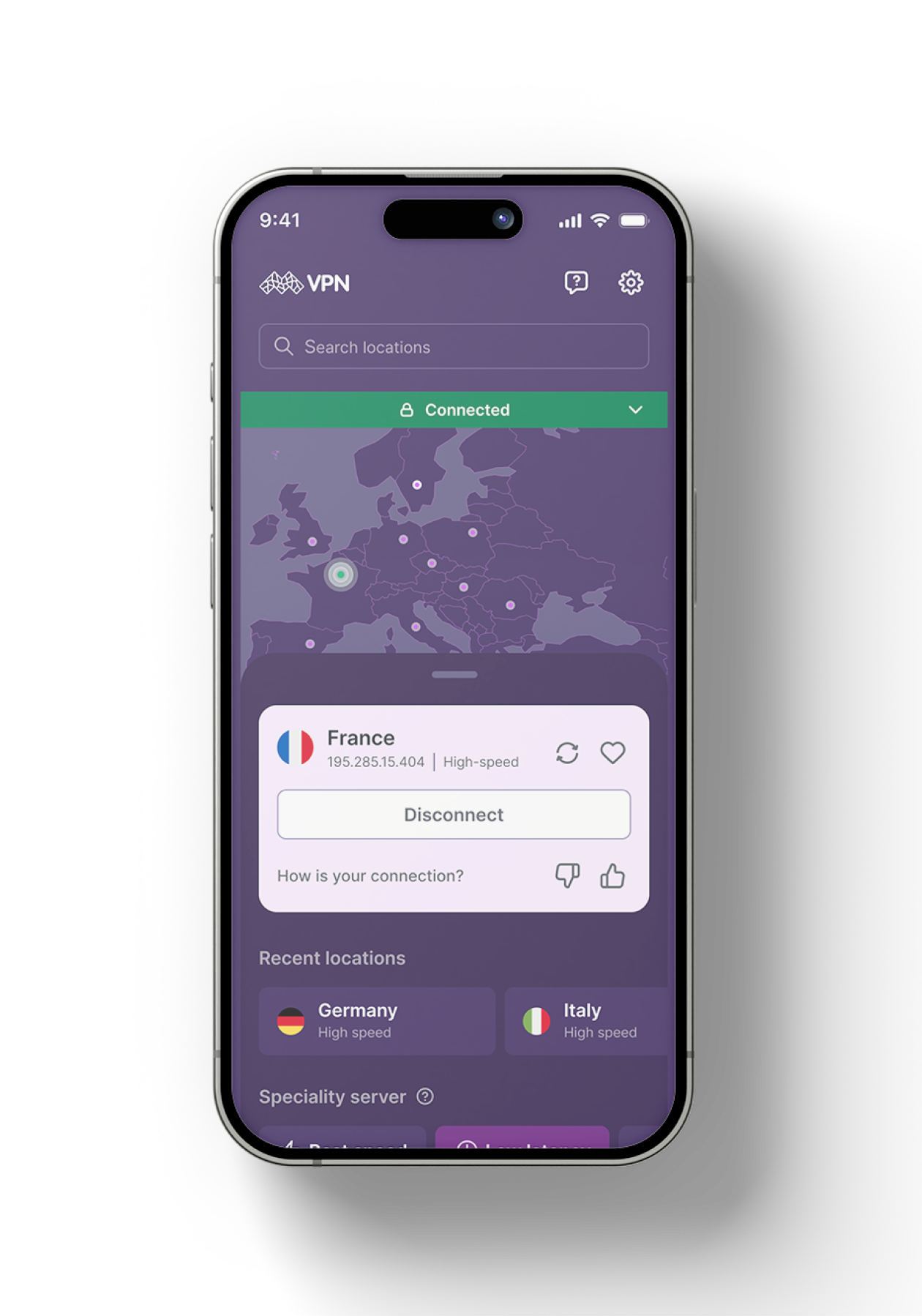
In the meantime, what you can do is protect yourself by getting Mysterium VPN, which is 78% off right now. It won’t make Big Tech actually accountable, nor will it make the government go for more rational decisions, but it will help keep your digital privacy and security intact in the time when it matters the most, which is absolutely worth it, especially with the direction our world is headed in right now.


Be part of the resistance, quietly.
Get Mysterium VPN
Dominykas is a technical writer with a mission to bring you information that will help you keep your digital privacy and security protected at all times. If there's knowledge that can help keep you safe online, Dominykas will be there to cover it.
Related Articles
.png)