Austria Joins the Bandwagon, Announces Its Own Social Media Ban



Just as expected, the “social media bans over education” campaign for the children’s digital safety keeps expanding. This time, it’s Austria that caught onto the idea to join the bandwagon in question.
Alexander Proll, the country's State Secretary for Digital Affairs, announced plans to block anyone under 14 from accessing social platforms by the start of the next school year this fall. The move comes hot on the heels of Australia's groundbreaking under-16 ban that kicked in back in December and just a couple of days after France's National Assembly passed their own under-15 ban.
The Beginning of Austria’s Digital Crackdown
Proll told public broadcaster ORF that the Austrian government wants to get this done before kids head back to school in September 2026. They're planning to follow Australia's playbook, which means putting the burden on the platforms themselves to keep underage users out. Facebook, Instagram, TikTok, Snapchat, and others will all need to verify ages or face massive fines.
Yet, things get a bit more interesting with the fact that Austria's ruling coalition can't agree on how to actually make this work. Proll's People's Party wants to copy Australia's approach, which uses government ID uploads, facial recognition, and behavioral analysis to verify ages. Meanwhile, their coalition partners in the NEOS party are pushing back hard, citing privacy concerns. They're suggesting Austria wait until 2027, when the country's own eID system (Austria ID) will be ready.
The proposed age limit of 14 isn't random, either. It lines up with Austria's legal capacity age and fits within the GDPR's 13-to-16 window for online data processing consent. Sure, it sounds like a smart positioning on paper, but it’s the execution where things usually fall apart.
Another Shot at the Digital Privacy
The world’s governments can’t seem to let go of the “think of the children” trope despite it already being made clear countless times that none of these laws are either helping nor stopping them from anything. Of course, every single one of these bans requires some form of age verification. And age verification means one thing: handing over your identity. Now isn’t that convenient?
Austria's debate about using government IDs versus their eID system is hardly about privacy either. Sure, using their own eID might turn out safer if they actually do it right. But from my experience, such government systems are almost always all too flawed. And when we’re talking about such sensitive info, there’s simply no room for even the smallest errors.
But, again, this is hardly about anyone’s safety. This is nothing but textbook surveillance normalization. Start with "protecting children," get everyone comfortable with uploading their government documents, and suddenly anonymous internet access is a thing of the past.
Just like everyone predicted, Australia's hardcore digital “safety” laws became a blueprint for mandatory identity verification across the entire internet, not just adult content sites like what we had before. And even if Austria chooses to go with their own eID plan here instead, the end result will still be all the same.
Austria's fall 2026 deadline might seem far off, but the dominoes are already falling. As more countries pile on, the pressure grows for a unified, global age verification system. And when that happens, the internet as we know it will no longer exist.
The playbook is clear. The execution is inevitable. But nothing is set in stone just yet, even for Austria. So the question remains: Is anyone going to push back before it's too late, or will the whole world follow that same route off that privacy hell cliff without even stopping to consider better alternatives, like digital sheep?


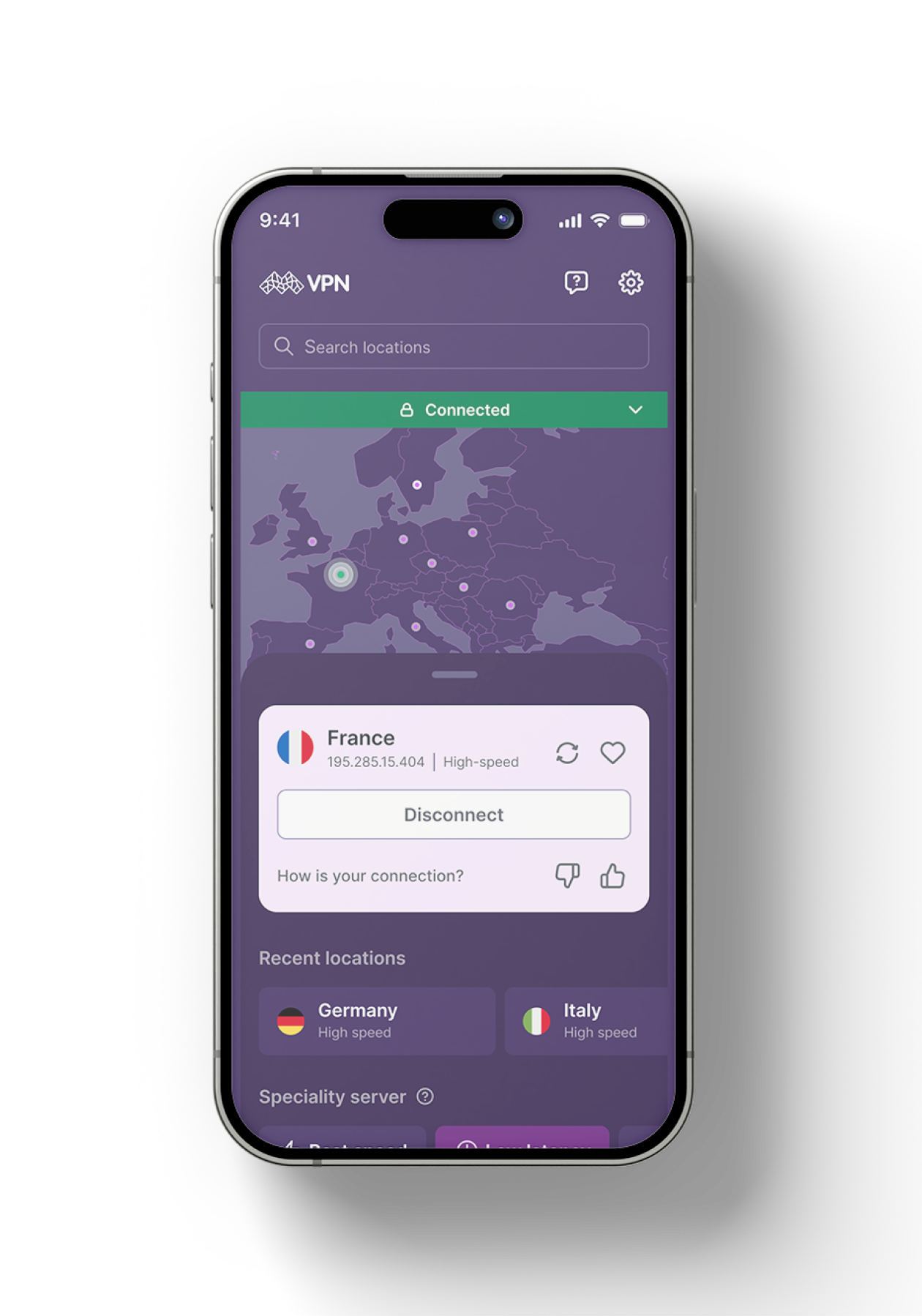
Be part of the resistance, quietly.
Get Mysterium VPN
Dominykas is a technical writer with a mission to bring you information that will help you keep your digital privacy and security protected at all times. If there's knowledge that can help keep you safe online, Dominykas will be there to cover it.
Related Articles
.png)