Global Exam Internet Shutdowns in 2026: A Mixed Year

Key Takeaways
For the first time, exam shutdowns in the Middle East and North Africa moved in two directions at once this year.
Algeria kept the country connected during exams for the first time in a decade, and Syria held its exams with no documented shutdowns.
Tunisia joined the list for the first time, quietly restricting messaging apps on mobile networks during both exam sessions.
Iraq, Sudan, and Jordan cut or limited access again, and India blocked Telegram before a major national exam.
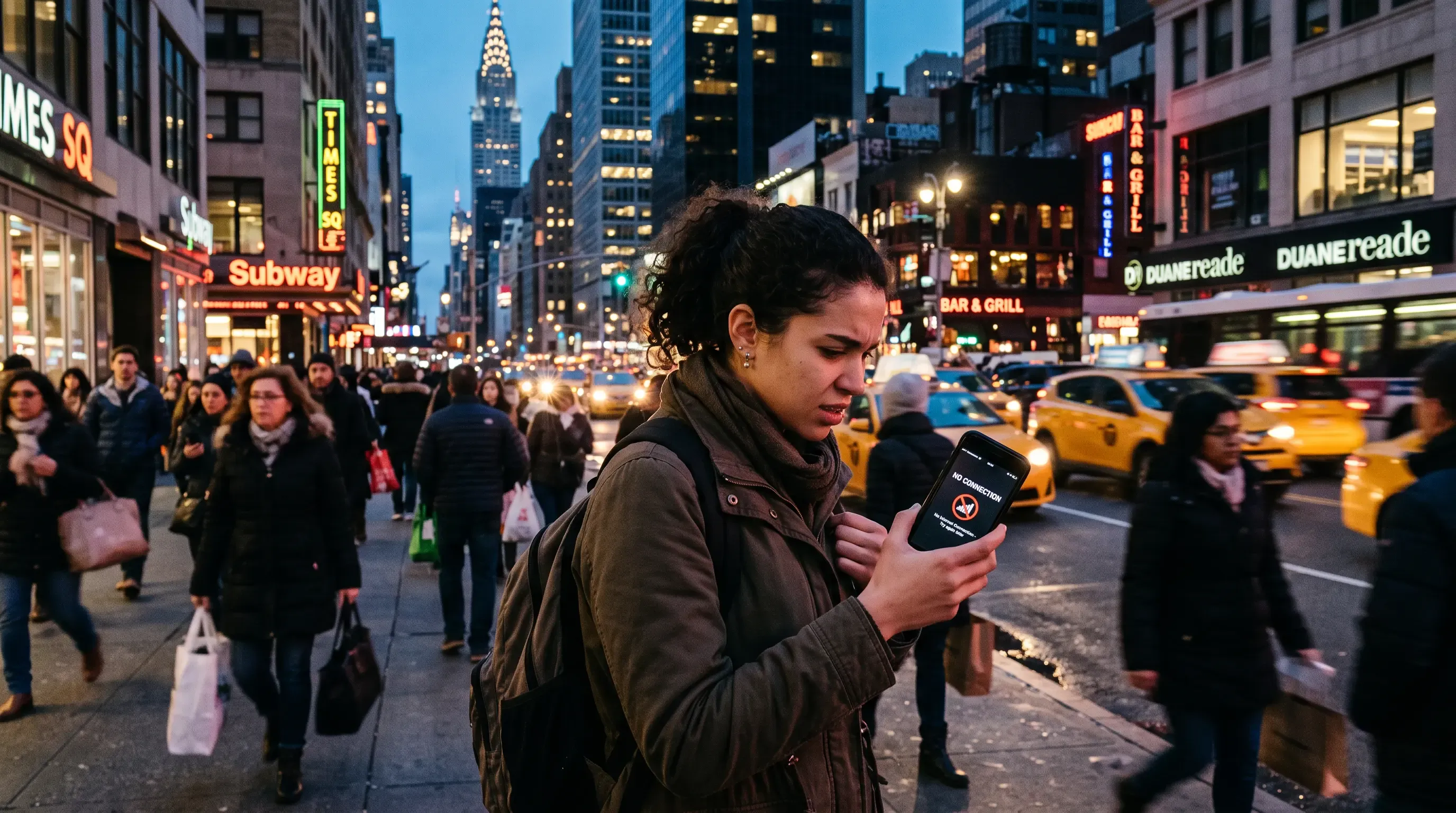
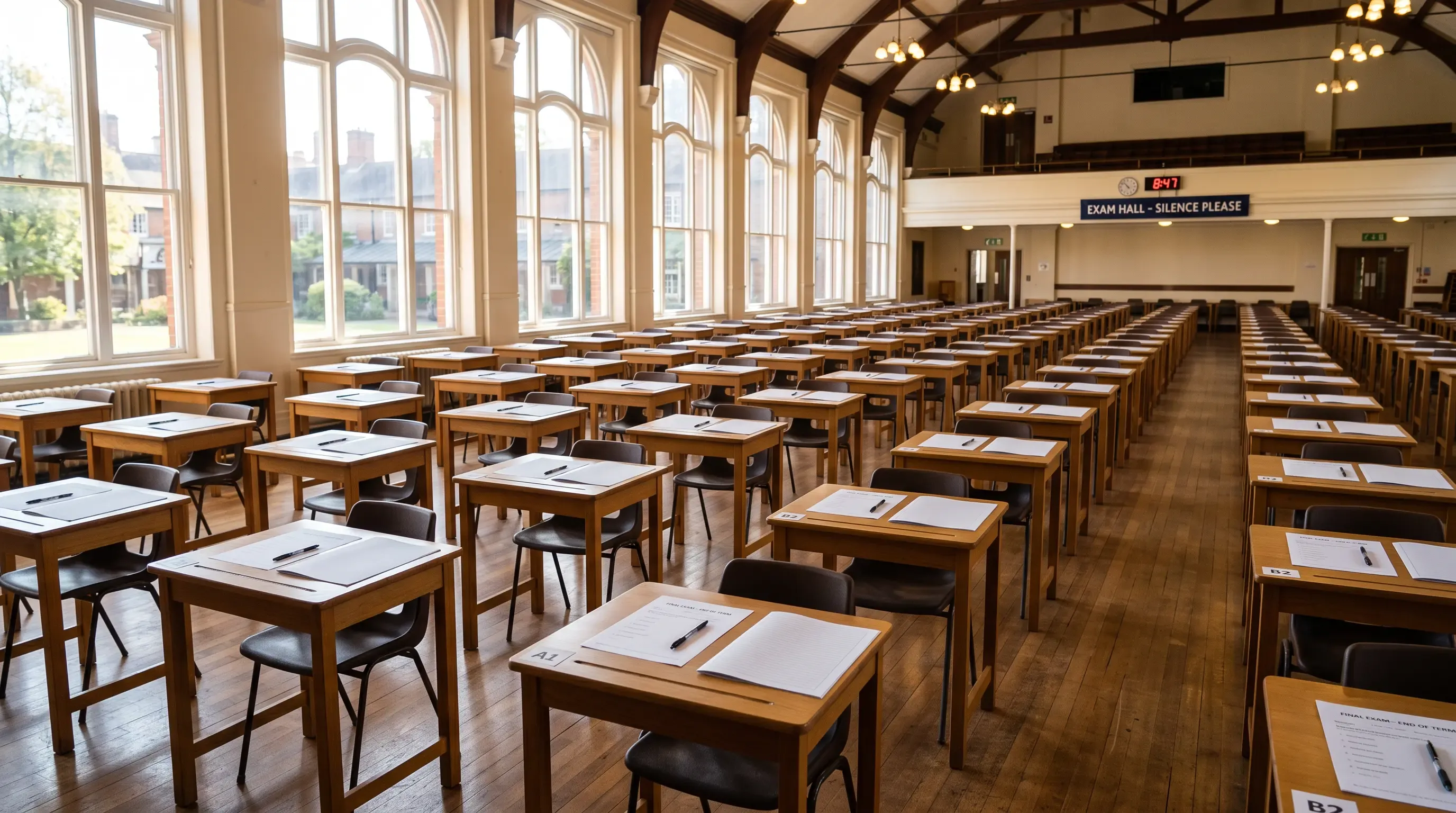
Every exam season, some governments switch off the internet to stop students from cheating. This year, things looked a bit different. According to Access Now's #NoExamShutdown report, published October 27th, 2026, the trend went in two directions across the region for the first time since the campaign started tracking it.
Some countries took real steps forward. Others went backward. One joined the list for the very first time.
Two Countries Changed Course
Algeria has cut internet access during exams for about a decade. This June, people were surprised to find they were still online. The education minister said limits would now apply only inside exam centers. The rest of the country stays online.
Syria went even further. Last year it imposed nationwide exam shutdowns. This year, no shutdowns were recorded during its exams at all, the first time in at least a decade.
I think these two cases matter more than any single bad result. They show that a shutdown habit isn't permanent. Access Now says pressure from people, businesses, and rights groups pushed Algeria to change. That pressure worked.
Tunisia Moved the Wrong Way
Tunisia was once seen as the country with the most internet freedom in the region. This year, it showed up on the list for the first time. Data shows WhatsApp and Messenger were widely disrupted on mobile during both exam sessions.
There was no warning. People and businesses across the country simply lost access to the apps they use every day. A shutdown nobody announces is harder to challenge, because officially it never happened.
Other countries kept going. Iraq is now in its 11th year of exam shutdowns, though this year's cuts were shorter and fewer. Its minister promised a new system that would end them. Iraq has made that promise before. Sudan cut connectivity during exams again, in the middle of a civil war. Jordan blocked messaging apps near exam schools during exam hours and announced it in advance.
Access Now makes a point about Jordan that I fully agree with. A block that's announced, local, and short isn't automatically fair. Once it happens every year without challenge, it starts to look normal.
Why This Matters Beyond the Exam Hall
Think about what's being traded. To stop a few students from sharing answers, millions of people lose messaging, payments, work, and news. As we've written before, cutting the internet is an attack on education in its own right, because students lose the online tools they rely on too.
This isn't only a regional habit, either. In June, India blocked Telegram for a week before a rescheduled national medical exam, after the original test was voided over leaked questions. It fits India's long record of internet shutdowns, where cutting access has become a routine response to problems. Algeria, Sudan, and Tunisia also show how shutdowns have spread across Africa, whether the trigger is an election or an exam.
Every shutdown teaches a government that turning off the internet is a fine fix. Algeria and Syria prove the lesson can be unlearned. If exam season brings outages where you live, Access Now wants to hear about it. Speak up while it still makes a difference.


Be part of the resistance, quietly.
Gintarė is a cybersecurity writer at Mysterium VPN, where she explores online privacy, VPN technology, and the latest digital threats in editorial pieces. With hands-on experience researching and writing about data protection and digital freedom, Gintarė makes complex security topics accessible and actionable.