San Diego Jailed a Man for a Month Based on a Flock Camera Read That Was Wrong


Key Takeaways
- On November 26, 2025, San Diego police arrested Hugo Parra and held him for nearly a month after a Flock license plate reader flagged a car for a violent crime he did not commit.
- Parra was five miles from the scene when the Flock camera captured his vehicle, just 23 seconds after officers in Golden Hill had already lost sight of the actual suspect's car.
- Police had access to additional Flock cameras along Parra's route and his cell phone location data, both of which could have cleared him, but were not checked before making the arrest.
- Charges were dropped weeks later, and Parra and his companion are now suing the city for $1.5 million apiece.
How a 23-Second Gap Became a Month Behind Bars
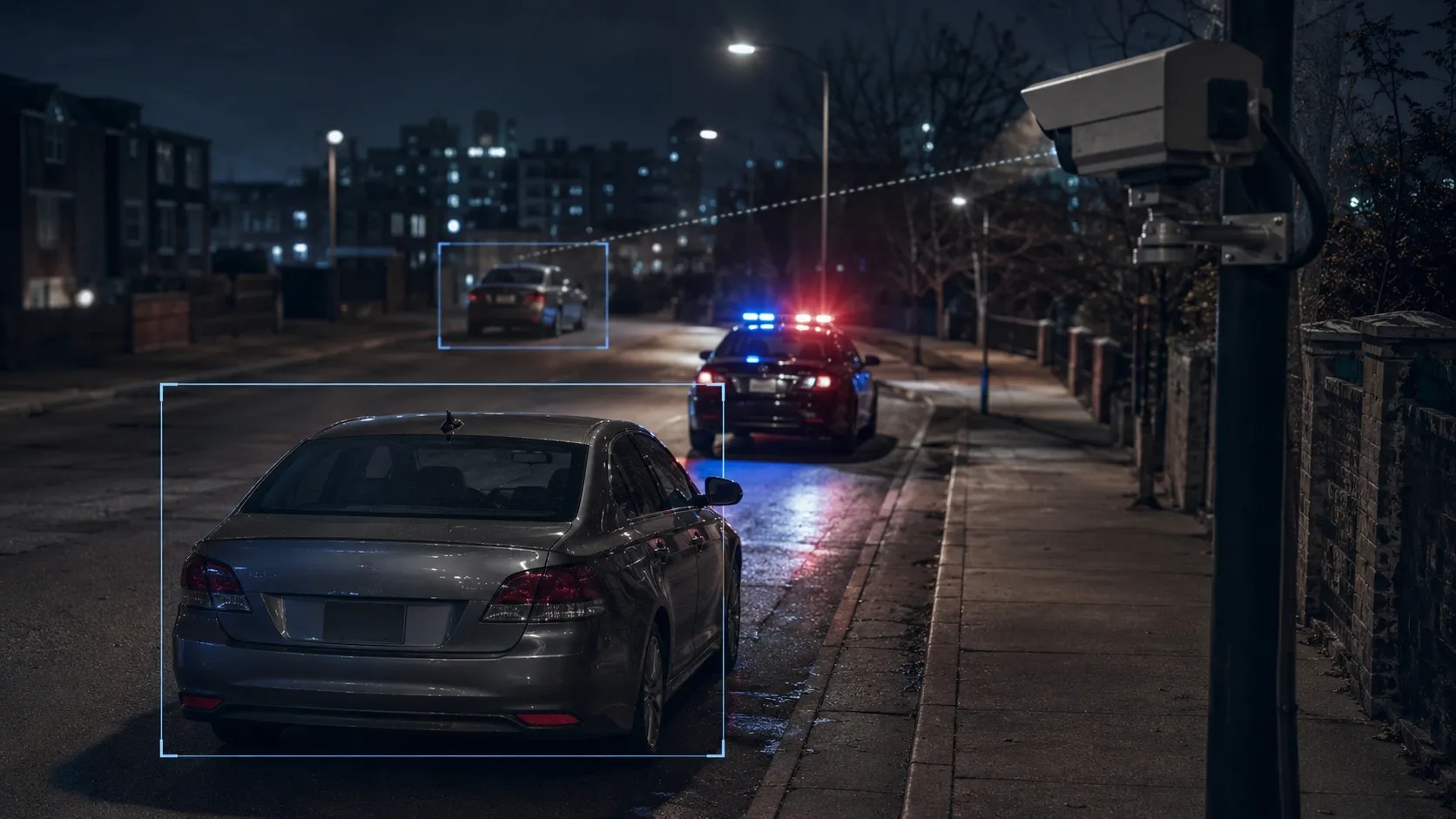
On November 26, 2025, San Diego police responded to an attempted carjacking in the 2800 block of E Street in Golden Hill. Officers pursued a red Alfa Romeo at highway speeds through downtown and onto I-5 North before losing sight of the car near Little Italy. They never got a clear look at the license plate.
Twenty-three seconds after officers lost the car, a Flock automated license plate reader captured a red Alfa Romeo on the 2200 block of Moore Street in Old Town, five miles away. Detective Gary Gonzales received the image and, according to his report, recognized the car as the one he'd been pursuing based on the red paint and black-tinted, windows. That was it. No plate number, because no plate had ever been captured. No database check. Just a color match.
Police brought the carjacking victim to Old Town for a curbside lineup. The victim identified Hugo Parra based on, in the words of the police report, "the jacket, the beard, and the skin color." A search of the car turned up no weapons. Parra, Beltran, and their friend were arrested anyway. Parra spent nearly a month in jail, missing Thanksgiving with his family, placed alongside men convicted of murder. The charges were eventually dropped, and both men are now suing the city for $1.5 million apiece in civil rights violations and negligence.
The System Works Exactly as Designed, and That Is the Problem
San Diego's ALPR surveillance use policy requires officers, when alerted by the system, to visually confirm the plate was read correctly and to verify the alert status via the NCIC database. Neither condition was met here, because there was no plate to confirm. Officers were matching a car by color and window tint to an image of a completely different vehicle, 23 seconds and five miles removed from the scene, which the policy's own language about identifying "vehicles associated with suspects" does not cover.
San Diego entered a $7 million contract with Flock in November 2023, plus an additional $2 million annually. In December 2025, the department expanded the program, piloting Flock Nova, a platform that can capture audio, video, and data from connected devices. The department said it did not plan to use those new capabilities, while a man was sitting in jail over a misread from the old ones. But while other cities have declined to renew Flock contracts over data-sharing arrangements with federal immigration authorities, San Diego pressed ahead anyway, all the while dealing with such a situation already.
The willingness to keep expanding surveillance infrastructure regardless of what it actually does is not a San Diego problem specifically. For example, Germany is building a biometric surveillance dragnet despite the EU explicitly banning stuff like this.
Meanwhile, the UK is pushing biometric data collection for law enforcement at a scale that outpaces any serious reliability evidence. So the general idea is buy it, deploy it, and treat the error rate as someone else's problem to sort out later.
Trusting the Camera Over the Evidence Is a Choice, Not a Mistake
Parra told police where he had been, and evidence to verify it existed. Their route passed by other Flock cameras that could have confirmed their location, and phone location data was available. Police did not check any of it before making the arrest. Attorney Alex Coolman later argued that the Flock hit "was obviously the wrong car, as it could not have been in both places simultaneously."
The argument for mass surveillance has always been that these systems produce incontrovertible proof and remove the guesswork from policing. But Gonzales did not remove guesswork. He used a camera hit as permission to stop removing it.
Parra was on probation, which colored every interaction with law enforcement. Eight months on, he still feels paranoid whenever a patrol car comes into view, saying, "I was able to experience being seen as guilty until proven innocent instead of the other way around."
The city has denied the men's tort claims, and a lawsuit is coming. "Mass surveillance without any sense of skepticism or common sense is a recipe for disaster," Coolman said. And, well, he's absolutely right. The cities funding and defending these systems while ignoring the documented error rate owe everyone a credible answer to what happens the next time a camera gets a color match wrong and a detective decides that's good enough.


Be part of the resistance, quietly.
Get Mysterium VPN
Dominykas is a technical writer with a mission to bring you information that will help you in keeping your digital privacy and security protected at all times. If there's knowledge that can help keep you safe online, Dominykas will be there to cover it.
Related Articles
.png)
.png)