An Officer Gave Her ICE Husband Access to the Flock System

Key Takeaways
Former Savannah Police Department officer Amber Harpe was fired after sharing her Flock Safety license plate reader login with her husband, an ICE agent who had no authorized access to the system.
Harpe was one of six employees fired following an audit. Four others were arrested by the Georgia Bureau of Investigation in August for using Flock for non-law-enforcement purposes.
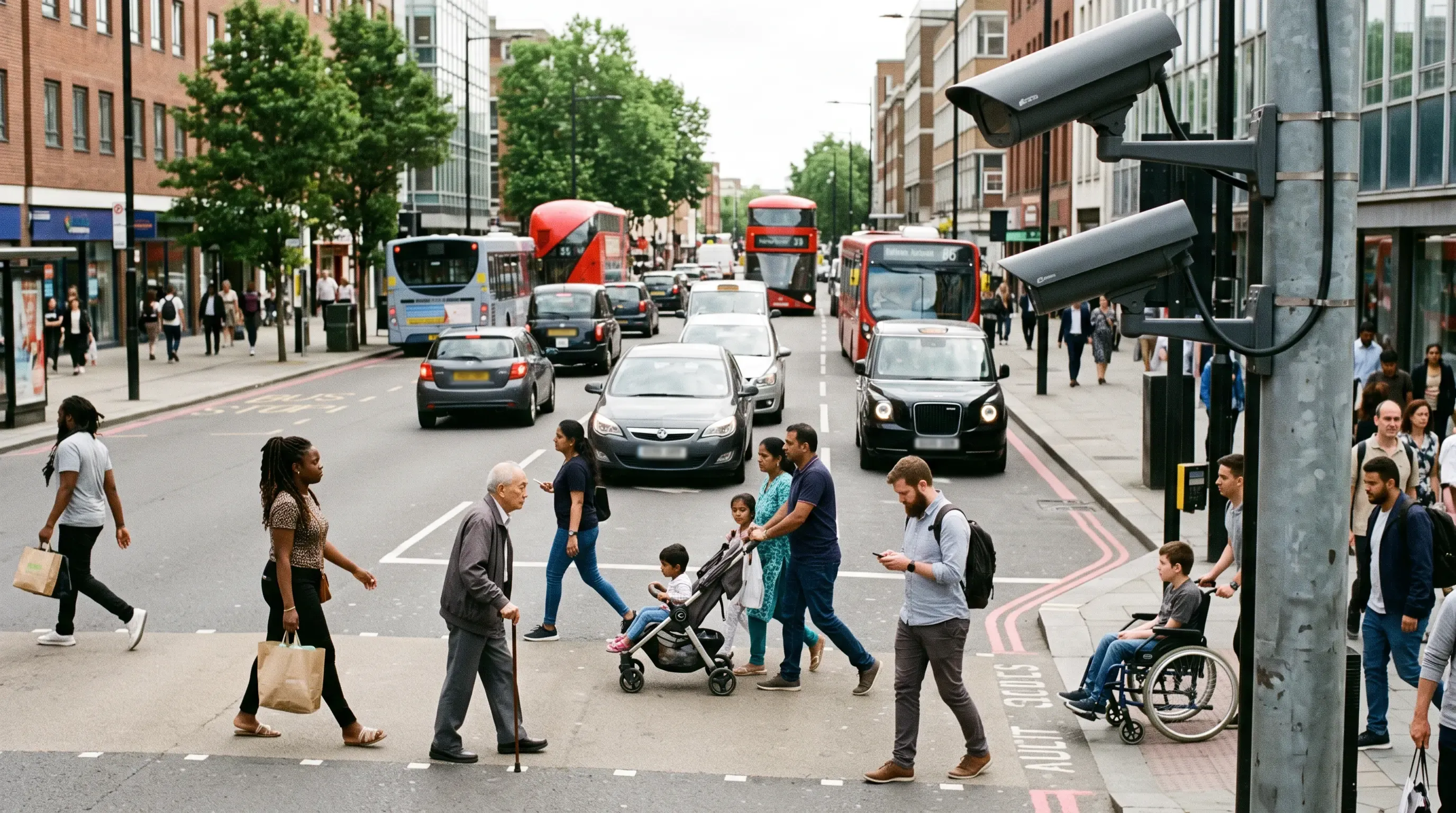
Flock Safety cameras capture every plate that passes in front of them — recording location, time, and date. That data is held by the platform and is queryable by any authorized user.
The incident illustrates the core risk of surveillance infrastructure: data collected for one stated purpose by one authorized agency can end up in entirely different hands through credential sharing, data requests, or system access decisions made outside public view.
Flock Safety's license plate reader system is not a passive record. When a camera captures your plate, it logs your vehicle's location, the time, and the date. That entry is then queryable — by any user with authorized access to the department's Flock account — against a database that includes not just the current scan but potentially historical records of where your car has been, across every camera in the network that has ever seen it.
Former Savannah Police Department officer Amber Harpe gave her Flock username and password to her husband, who works for U.S. Immigration and Customs Enforcement. He did not have authorized access to the Savannah Police Department's system through his federal position. She gave him hers. According to records obtained by local media, he used it.
The Savannah Police Department told Newsweek that "an outside law enforcement agency's investigative purpose does not, by itself, authorize access to SPD's system." That's the policy. The technical reality is different: the policy is enforced by an audit log, not by access controls that would have prevented an unauthorized user from querying the database at all. Harpe's husband could access everything her credentials could access, from the moment she shared the login, until the audit caught it.
What ICE Could See
This matters specifically because of who accessed the data and for what purposes. ICE's enforcement mission is immigration law. Flock's platform provides vehicle location data — where a car has been, when, and how recently. That combination is operationally useful for locating people: if you know someone's plate, you can query the Flock network to find out where their vehicle has appeared, when it was last seen, and in what area. That's not speculation about possible misuse. That is what the platform is designed to do, for authorized users, for law enforcement purposes.
The Savannah Police Department deploys Flock cameras to support local public safety purposes. The people whose plates those cameras scanned did not consent to having their location data queried by federal immigration enforcement. They had no way to know their data had reached ICE. They still don't know whether it did, for what purpose, or what followed from it — because that information isn't part of what the audit log disclosed publicly.
Surveillance Has More Than One Set of Hands
The Flock case is a clean illustration of a problem that runs through all surveillance infrastructure: data collected for a stated purpose by an authorized agency doesn't stay with that agency or that purpose. It moves — through credential sharing, through formal data-sharing agreements, through government requests, through acquisitions, through the careers of people who change jobs and take their access with them.
We've written about Flock before in a different context. Its CEO was caught on tape telling Ohio officials that a 404 Media story about the platform's use in abortion-related investigations was "entirely false" — while court records showed Texas authorities had discussed charging a woman using Flock search data on the same day as the search. A former employee alleged he was told the company had no ICE access. Whether that was accurate at the time, the Harpe case demonstrates that formal access policies don't constrain informal credential sharing. A login is a login. Once shared, it's indistinguishable from the original.
In August, four other Savannah officers and a civilian were arrested for using Flock for non-law-enforcement purposes — personal searches, likely. That's the more common misuse pattern: officers using surveillance tools to look up people they know. The Harpe case is different because the unauthorized user was from a different agency with a different mandate and different legal authorities. It shows the surveillance perimeter isn't defined by what the deploying agency intends. It's defined by who has credentials.
What Happens to the Data You Didn't Know Was Collected
Flock Safety cameras are installed on public roads. Driving past one is not something you consent to — it's something you do when you drive. The company and its law enforcement customers position this as routine infrastructure, no different from a speed camera or a stoplight. What makes it different is the queryability. A speed camera records a single event. A Flock network builds a location history for every plate it has ever seen, accessible on demand to anyone with authorized access.
Authorized is doing a lot of work in that sentence. The Savannah cases — six employees fired, four arrested, one case involving federal immigration enforcement — are the ones that were caught. They were caught because every Flock query is logged with user, time, date, and stated reason. That logging is genuinely useful. It produced the evidence that led to six terminations and four arrests. It's also the only accountability mechanism, and it operates entirely after the fact.
Before the audit, Harpe's husband was querying a local police surveillance network he had no authorization to access, and no one knew. Nobody stopped it. Nobody was in a position to stop it, because the system's controls don't prevent unauthorized use — they record it. The difference between those two things is the difference between surveillance infrastructure that protects people and surveillance infrastructure that exposes them, and right now, almost all of it is the latter.


Be part of the resistance, quietly.
Gintarė is a cybersecurity writer at Mysterium VPN, where she explores online privacy, VPN technology, and the latest digital threats in editorial pieces. With hands-on experience researching and writing about data protection and digital freedom, Gintarė makes complex security topics accessible and actionable.
Related Articles