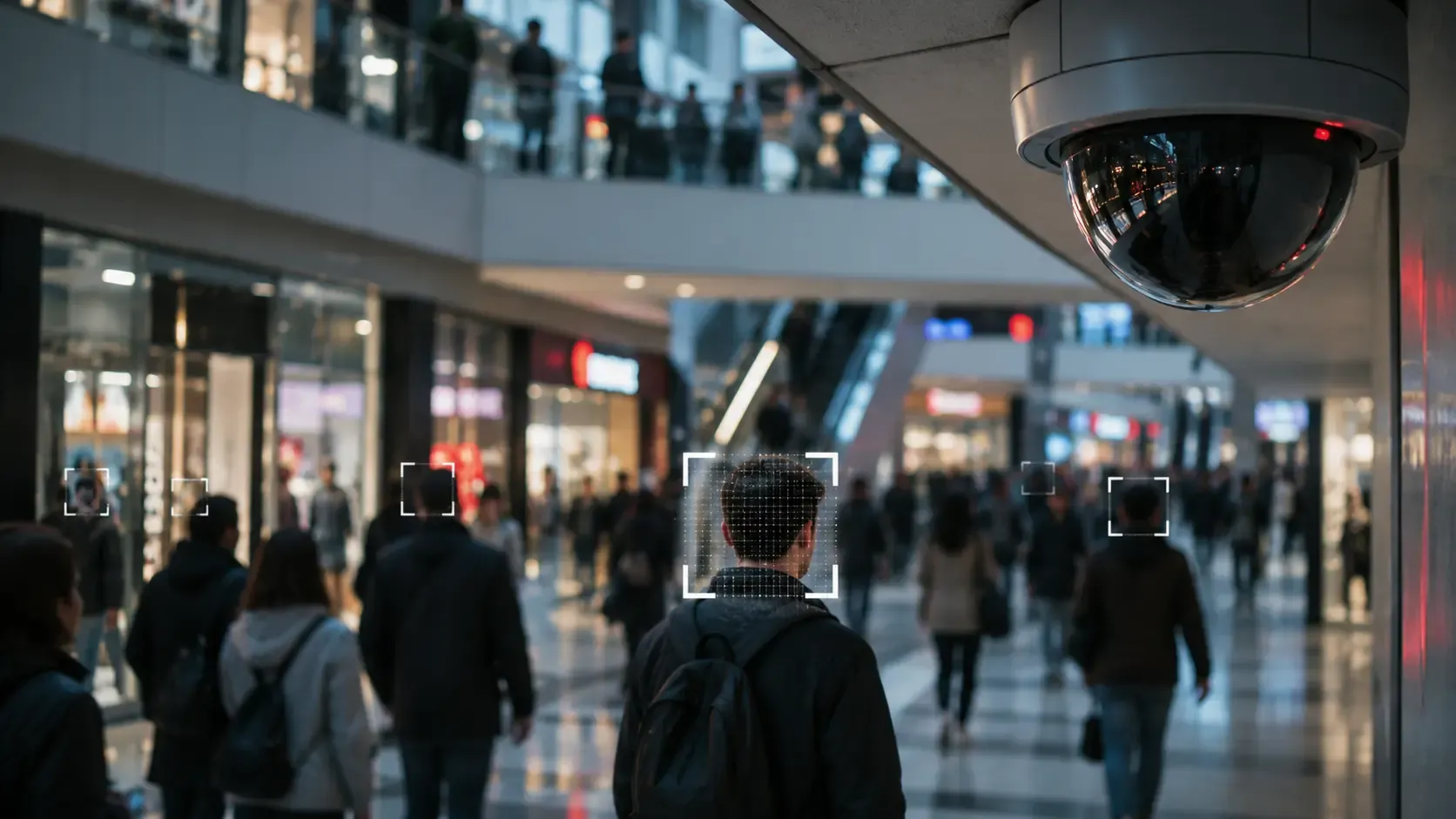
Hong Kong Police Switch On Facial Recognition and Plug Mall Cameras Into the Network

Key Takeaways
Hong Kong police will switch on AI facial recognition across the SmartView CCTV network this month, with tracing suspects and finding high-risk missing people, especially elderly people with dementia, as the stated goals.
SmartView has more than 10,000 cameras, and police plan to add 20,000 a year to reach about 60,000 by 2028, including government sites, the MTR, the airport, public housing, and private shopping malls.
At least four malls are expected to connect by the end of the year, and officials decided not to require separate SmartView signage on mall cameras.
Facial recognition data will be kept for up to about 180 days, against the usual 30 days for CCTV footage, and police say the system is limited to national security, crime prevention and detection, and public safety and order.
Thousands of Eyes, Starting With the Mall
Hong Kong police will switch on AI facial recognition across their SmartView CCTV network this month, and the official pitch is about as gentle as surveillance gets. Senior Superintendent Leung Ming-leung said the main goals are tracing suspects and finding high-risk missing people, especially elderly residents with dementia, describing the technology as adding "thousands of eyes" to the force, working 24 hours a day.
According to the police briefing, the system runs in two modes, a retrospective search that checks whether a suspect's face appears in specific footage and real-time tracking that raises an alert when a missing person matches a recent photo supplied by their family.
Phase one already put more than 10,000 cameras at crime black spots, and phase two adds 20,000 a year to reach about 60,000 by 2028, with coverage spreading to the MTR, the airport, Kai Tak Sports Park, tunnels, public housing estates, and boundary control points.
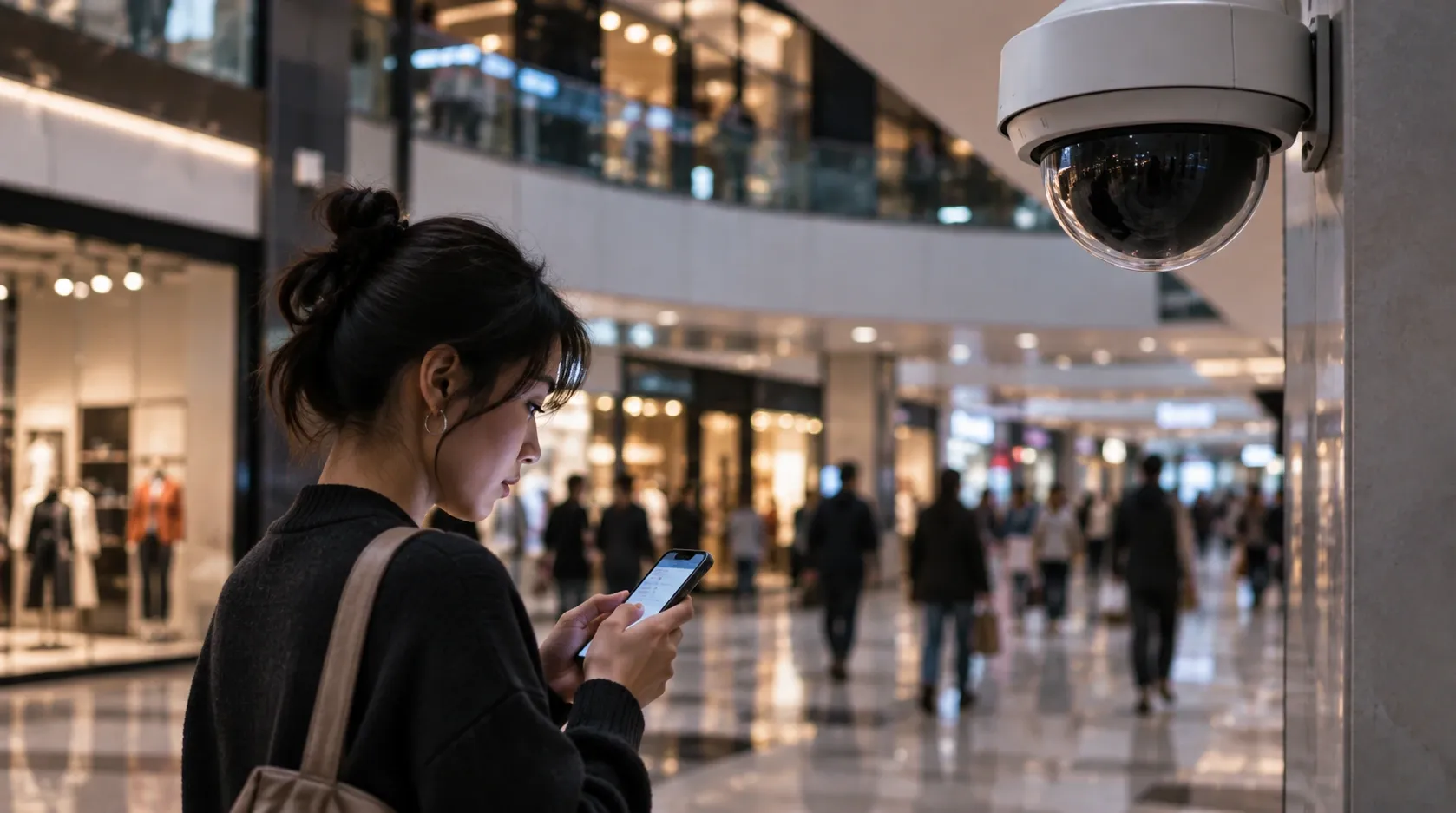
Private shopping malls are next, with at least four expected to connect by the end of the year. Security chief Chris Tang said in October that it may not be necessary to tell the public about new cameras being linked, since many malls already display recording signs.
Officials have since decided not to require separate SmartView signage on mall cameras, only encouraging malls to post notices voluntarily. Naturally, a generic "CCTV in operation" sticker now doubles as notice that a police facial recognition network might be looking back.
A Grandma-Finder With a National Security Clause
Finding a grandparent who wandered off is a cause nobody argues with, which is exactly why it leads the announcement. Yet the purposes Leung listed for the system are national security, crime prevention and detection, and public safety and public order, with dementia patients appearing nowhere on that list.
I think a facial recognition grid whose first stated purpose is national security should be named for what it is, and the missing grandparents are just the friendly face on the brochure.
Under the Personal Data (Privacy) Ordinance, CCTV footage is generally deleted after 30 days, but facial recognition data will be kept far longer, with plans to hold it for up to 180 days, six times the usual limit.
Leung said linking malls would not breach privacy laws, based on assessments by the police's own legal team and the Privacy Commissioner for Personal Data, with facial recognition requiring sign-off from an officer ranked inspector or above. Asked by SCMP, the commissioner's office would only say that all data users must comply with the ordinance, so the oversight here is essentially police asking police for permission.
The pitch to the malls themselves is even more telling, with SCMP reporting the argument that "If people know the shopping centre is working with us, they will feel safer, which could have a positive impact on its business." Nothing says relaxing afternoon of shopping like having your face matched against a police watchlist between stores.
Handing the state a way into privately run cameras rarely stays as tidy as promised, either. Serbia's data protection commissioner found that Belgrade's airport gave border police, customs, and the BIA intelligence agency access to its surveillance cameras without the data-sharing agreements the law requires.
One City, Two Systems, One Camera Network
Across the border, police in Tianjin already wear glasses with real-time facial recognition connected to government databases, which makes Hong Kong's mall-and-lamppost version look like the stationary edition of the same idea.
Every safeguard police have offered so far is internal, from the inspector-level sign-off to the legal team's assessment, with the privacy commissioner's only public contribution being a reminder that the law exists. And, well, that absolutely does not equal independent oversight of a network heading toward 60,000 cameras.
And yet, the one real limit on how widely facial recognition runs is technical, since police say it won't run on every camera because of computing resources. That limit shrinks with every hardware upgrade, and police haven't pointed to any rule that would hold the line once it does.
So if the Hong Kong Police Force and Chris Tang really built this to bring missing grandparents home, they can write that limit into law, put a sign on every linked camera, and publish how many searches run under national security, because until they do, "thousands of eyes" sounds a lot less like a search party and a lot more like a city that's always being watched.


Be part of the resistance, quietly.
Milda is a privacy writer with a mission to bring you practical, trustworthy information that helps you protect your digital privacy and security. From online safety and data protection to the latest privacy trends and threats.
Related Articles